Roofers in Lindfield

Clay tiles, old stone and lead around the High Street and Common.

Lindfield has a conservation area dating from 1969 and a council list of traditional roofing materials. We identify what covers your roof first, then suggest a repair and quote it in writing.

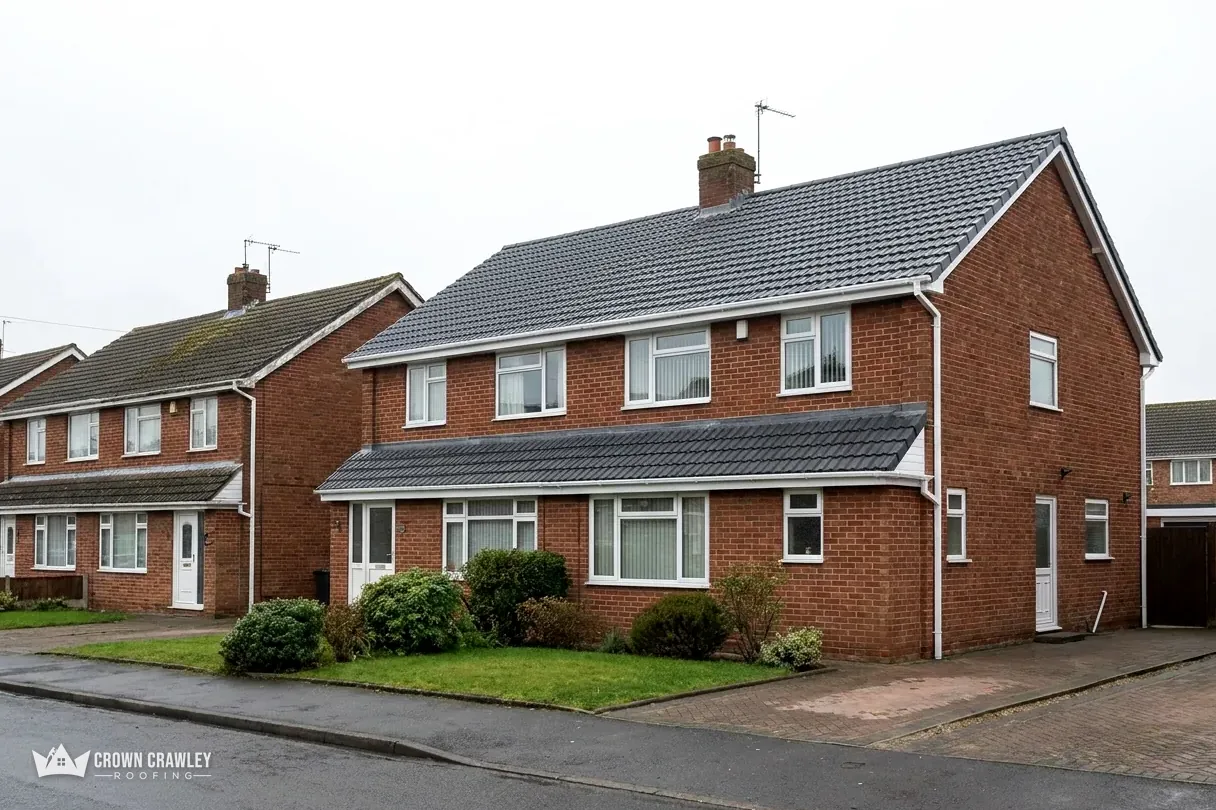
Detached red brick houses with grey tiled roofs on a quiet road

How Lindfield roofs are built

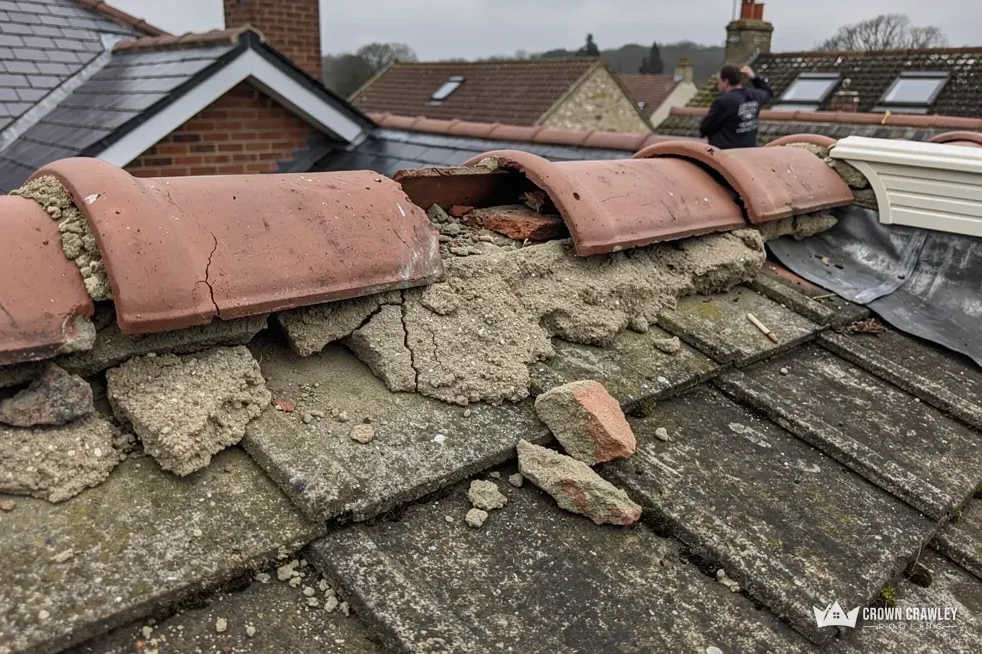
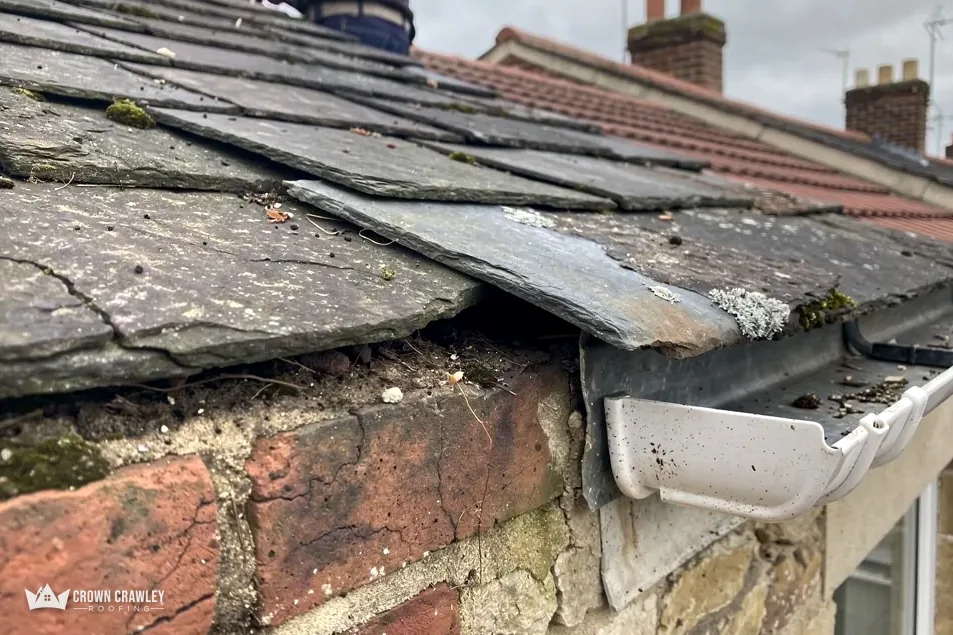
Crumbling mortar and cracked ridge tiles on a roof

Roofs in the 1969 conservation area

The conservation area was designated in 1969 for the High Street and the Common, then extended in 1989 and 1998. Mid Sussex District Council lists clay tiled roofs and Horsham Stone roofs among the materials that give it character.

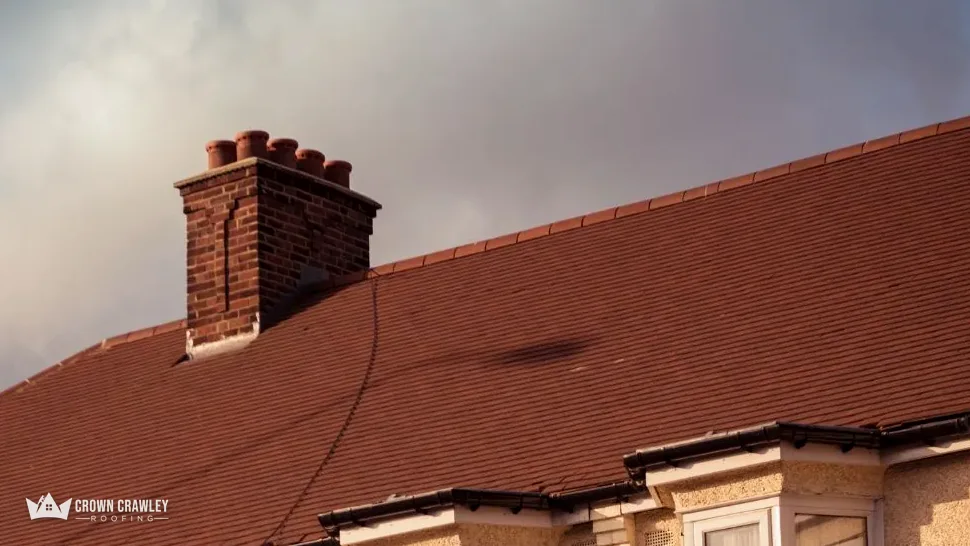
Old clay tile roof with chimney

Dormer window with white cladding in a clay tiled roof

Compton Road's early twentieth-century homes

Mid Sussex says Compton Road shows how Lindfield grew early in the twentieth century, with brick-built dwellings with clay tiled roofs. When we repair one, we match the tile so the roof keeps its look.

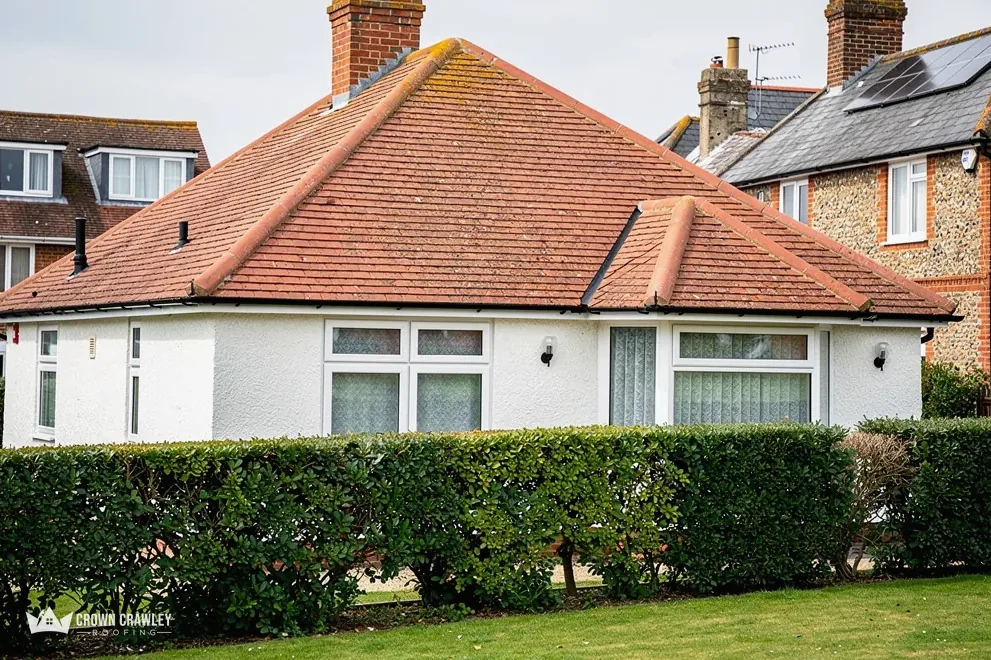
Brick houses with clay tile roofs

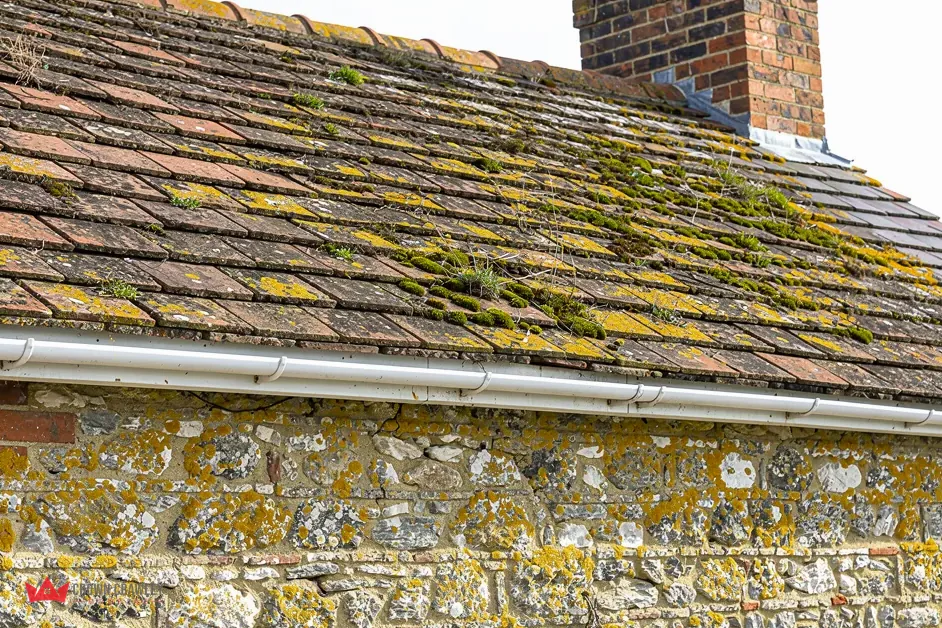
Yellow lichen and moss on tiles above a flint wall

An Article 4(2) direction from 1995

A 1995 Article 4(2) direction covers part of the conservation area and was extended in 1998 to include Compton Road. Which rights it removes is set out in the council's notice, so ask about your address.

Roof slope with tile hanging

Lindfield, by the Common

Map of Lindfield and the neighbourhoods around it, with Crawley for reference.

Lindfield's centre runs along the High Street and around the Common, with a pond and a church that dates from the 13th century.

Distance
12.7 road miles from Crawley, to the south-east
Drive
About 21 minutes
Council
Mid Sussex District Council and West Sussex County Council
Planning authority
Mid Sussex District Council
Conservation area
Lindfield Conservation Area (designated 1969)
Population
6,096 in the 2021 Census parish
Article 4(2) direction
Made 1995, extended 1998 to Compton Road
Get a free quote

Diary of a Lindfield roof

Keeping a conservation-area roof looking right

Which traditional materials Mid Sussex names, how the Article 4(2) direction affects a change of look, and the council and highway rules that apply to bigger jobs.

Rear of a brick detached house with a tiled roof and garden

Stage 01 · Materials

The materials Mid Sussex names

The council's list of traditional materials is the best starting point for a Lindfield roof, because it shows how the area should look.

Mid Sussex District Council's conservation area booklet names the natural and traditional materials that give Lindfield its character: clay tiled roofs, sandstone, Horsham Stone roofs, mathematical tiles, tile hanging and stucco. That is a short list, and it is useful, because it describes what a repair here should respect. The booklet also records that Lindfield conservation area was designated in 1969 for the High Street and the area around the Common, and extended in 1989 for Black Hill and in 1998 for Compton Road.

Can a Lindfield repair be invisible from the High Street?

By matching. A clay tile that has cracked is replaced with one of the same profile, size and colour, taken from salvaged stock where the old tile is no longer made. We note the profile at the survey and tell you straight if a good match is hard to find, because a patch of bright new tile among weathered ones can show from the road for years. Stone slabs weigh far more than clay, so the rafters and battens beneath them get checked before any slab is lifted, and we photograph the timbers so you see the same timber we did. If the structure is sound, the old slabs can often go back after the roof is made watertight underneath. When a slab has slipped, we check the pegs or nails that held it before blaming the stone.

Lindfield roof materials

Clay tile
Fired clay covering, often plain tiles
Horsham Stone
Heavy local stone roofing slabs
Tile hanging
Overlapping tiles used as wall cladding
Sandstone
Building stone for walls and detail

How long do these coverings last?

Published lifespans are typical ranges rather than promises. Well-maintained natural slate can last 100 years or more, and clay carries a minimum of 60 years from the Building Research Establishment, but the 60 years is no reliable yardstick for old peg tiles. Whether to repair or replace comes down to condition rather than the calendar, and the survey photos let you judge it yourself. Our pitched roofing page covers the repair side: slipped tiles, rotten battens and torn underlay.

Lead is the quiet partner on these roofs, and a split in it rarely shows from the garden. It sits in the valleys, around chimneys and against walls, and a failed joint there lets water past even a sound tile. Royston Lead's brochure lists Code 5 for flashings and Code 4 for soakers, the small pieces that interlock with the tiles at a wall or chimney. Our lead work page covers the codes and how we fit them.

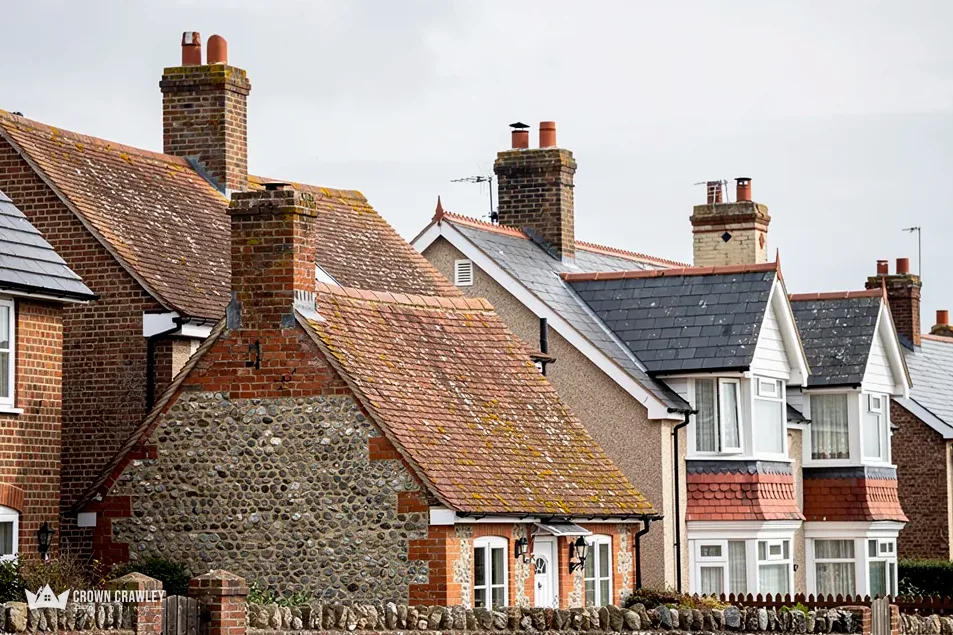
Flint and brick houses with clay tiled roofs and chimneys

Stage 02 · Permissions

An Article 4(2) direction and Compton Road

A direction made in 1995 and extended in 1998 means some Lindfield homes face tighter rules on visible changes; only the council can say which.

According to Mid Sussex District Council's booklet, an Article 4(2) direction was made in 1995 for part of Lindfield conservation area and extended in 1998 to take in Compton Road, aimed at unsympathetic alterations to dwelling houses. The classes of work it controls are in the council's notice, not in the booklet. GOV.UK describes an Article 4 direction as one that enables the local planning authority to withdraw specified permitted development rights across a defined area.

Does a repair need permission here?

Under section 55 of the Town and Country Planning Act 1990, work that leaves a building's external appearance materially unchanged does not count as development. Refixing tiles of the same type in the same bond is work of that kind. A different covering, a changed ridge, a new roof window or a rebuilt chimney is not, and in a conservation area those are the changes to put to the council first. Lindfield's planning authority and its building control service are both Mid Sussex District Council, so a single enquiry to the planning team starts the conversation. Our answer on re-roofing in a conservation area takes you through the steps in order.

A direction targets visible changes, so mending a roof as it was differs from a new look.

Questions for Mid Sussex planning

Location
Is my house in the conservation area?
Direction
Is it inside the direction's area?
Rights
Which changes does it control?
Plan
Repair as before, or a new look?
Which houses sit inside the lines?

The booklet describes the area by streets, not by house numbers: the High Street and the area around the Common from 1969, Black Hill from 1989 and Compton Road from 1998. If you are near any of those, assume the question needs asking. If you are further out, ask anyway, because boundaries are drawn on a map and survey photos cannot show where they run. The booklet adds that Compton Road shows how Lindfield grew in the early twentieth century and that many of its houses keep their original features. It names original chimneys among the details that give the area its character, so a stack is a part to keep as it is.

When you write to the council, give your full address, say whether you want to repair or change the roof, and ask for the answer in writing. Send us a copy and we will build it into the survey and the price. Keep another with your home papers as a record of what was agreed. If the council's answer is that the work needs consent, we pause the quote until it is in place, so you never pay for work that cannot go ahead.

Stage 03 · Rules

Mid Sussex building control and the scaffold licence

For bigger jobs Lindfield comes under Mid Sussex for building control and West Sussex County Council for scaffold on the highway.

Keeping a roof as it was seldom takes more than a survey. Stripping a whole roof, laying something heavier or putting a scaffold across the pavement brings other bodies in, and it is easier to meet them early.

Who checks building work in Lindfield?

Mid Sussex District Council operates its own Local Authority Building Control service. On the Planning Portal's test, building control approval is normally unnecessary where under 25 per cent of the building envelope and under 50 per cent of the roof is involved. It becomes necessary if the new covering raises the roof covering's weight by 15 per cent or more, or would react to fire in a markedly different way. Swap stone for clay, or clay for concrete, and the weight test is the one to watch; the Planning Portal wants a structural engineer or surveyor consulted before the old covering comes off. That is a good reason for a conservation-area roof to go back as it was.

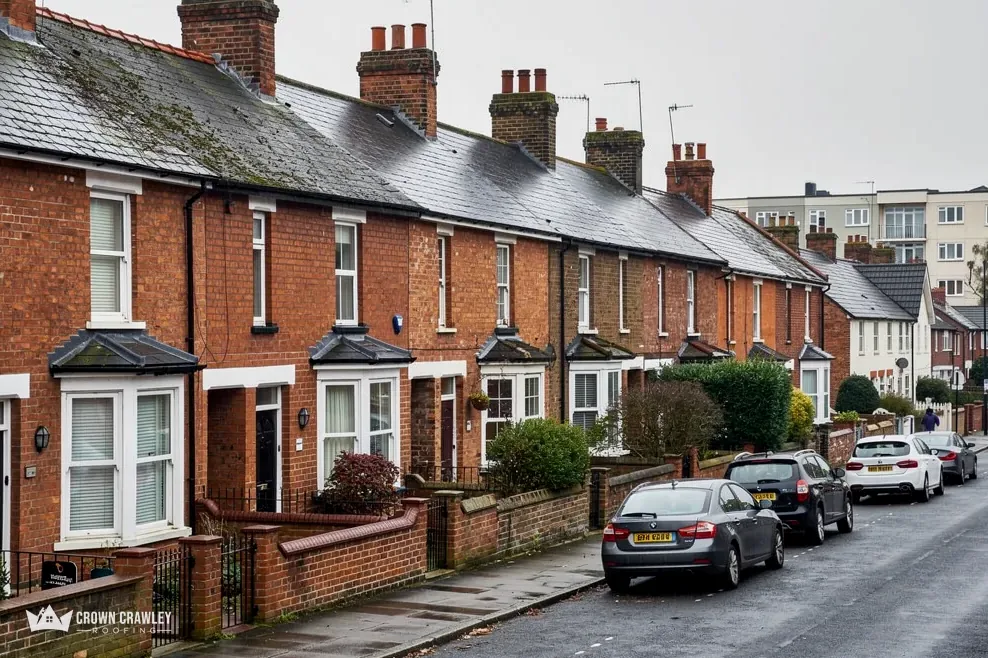
Victorian brick terrace with bay windows and parked cars

What does West Sussex ask for when scaffold goes on the road?

Scaffolding on a West Sussex road or pavement needs the county council's licence, and the council asks for a minimum of 10 working days from application to the date the scaffold is erected. One month costs £266. Anyone in a hurry can pay an extra £52 to join the fast track, where the council aims to turn an application round in 1 working day. Putting scaffolding up without a licence runs up £50 a day and a £425 retrospective licence, so applying early is far cheaper. We settle the application with the scaffolder and choose the start date to fit. Poles kept entirely within your plot need no highway licence at all.

Terms on a bigger job

Building envelope
Walls, floor, roof, windows, doors
Highway licence
Council consent for road scaffolding
Fast track
Quicker licence for an extra fee
Weight test
Check on a heavier new covering

Why does scaffold matter to a chimney price?

Because it can double it. MyJobQuote, last updated on 22 September 2026, gives £350 to £460 for full chimney leadwork without scaffold and £700 to £920 with it, as UK figures. A stack on an older house is often the reason a scaffold goes up at all. Our chimney repairs page runs through a stack inspection, from the pots to the flashing.

Contractors must also tell the council as soon as the scaffolding is removed. To begin, photograph the chimney, valley or ridge from your plot and email or message it with your postcode, and we will look at it before we visit.

Quick answers: Lindfield

Can I replace old clay tiles on a Lindfield house with modern concrete ones?

Think twice. Mid Sussex names clay tiled roofs as part of the conservation area's character, so a change of covering is a question for the council, and if the new covering is 15 per cent or more heavier, building control comes into it too. Matching clay keeps the look and avoids both questions. We record your tile profile at the survey and quote the repair to match.

Is Compton Road under the same controls as the High Street?

Both are in the conservation area, which was designated in 1969 for the High Street and extended to Compton Road in 1998. The Article 4(2) direction of 1995 was extended in 1998 to include Compton Road, but the classes of work it controls are in the council's notice. Ask Mid Sussex planning about your own address.

Who does building control in Lindfield?

Mid Sussex District Council has its own building control service. Below 25 per cent of the building envelope and below 50 per cent of the roof, the Planning Portal's test usually leaves a Lindfield job outside building control, unless the new covering weighs at least 15 per cent above what it replaces. For a full re-roof, we ask the council before fixing a start date.

How far ahead must I plan scaffold on a Lindfield road?

For a highway scaffold licence, West Sussex County Council asks for at least 10 working days' notice, and a month costs £266, with fast track £52 extra. Scaffold wholly inside your boundary needs none. We settle the date once the survey shows where the poles can stand, and we let neighbours know before they go up.

Quote request: Lindfield

Photograph the tiles, chimney or lead that concern you from the garden, add your Lindfield postcode, and we will read both before the survey.

01293 974253

10-year workmanship guarantee, in writing.

Call Get a free quote