Roofers in Broadfield

Roofs on the first neighbourhood of Crawley's 1961 scheme.

Broadfield was planned in 1967 and begun in 1969, with houses for sale from 1971 and council homes by about 1978. Every roof gets its own survey, and the price follows in writing.

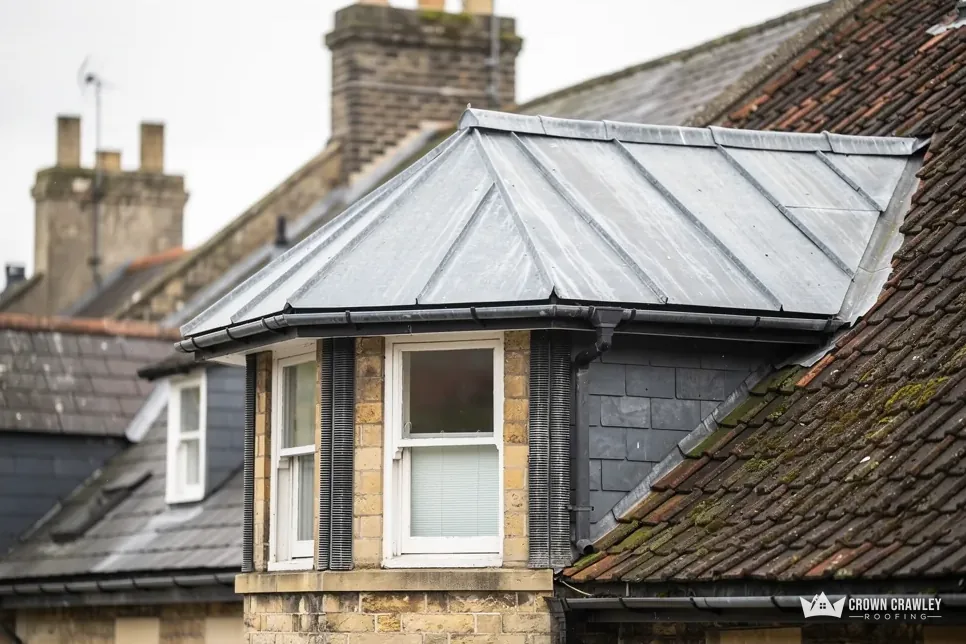
Lead-covered bay roof and chimney stack on a slate and tile roof

Roofs behind Broadfield's 1969 start

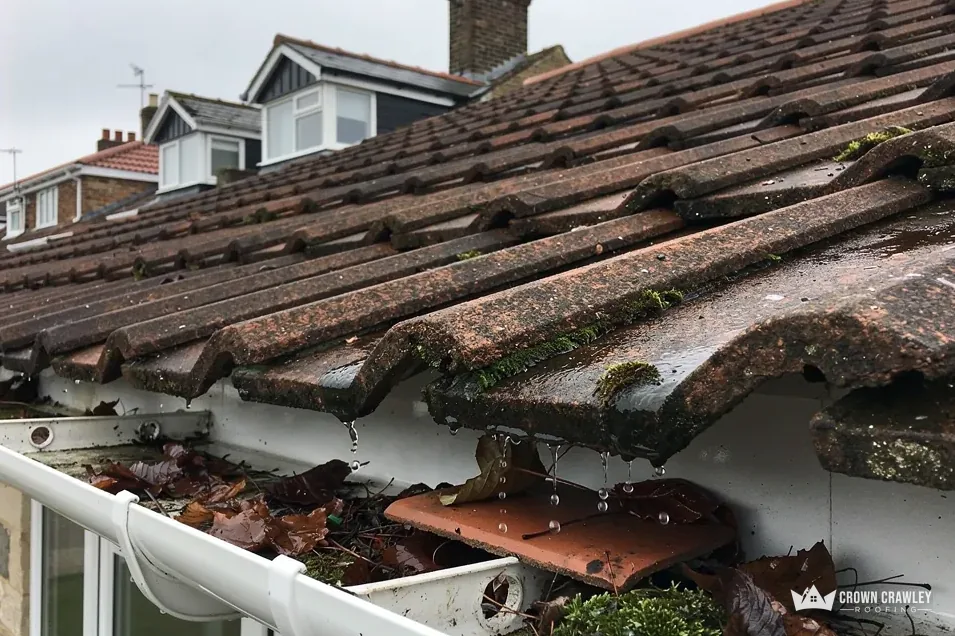
Slipped tiles lying in a blocked gutter

Houses for sale from 1971

The Commission for the New Towns began 184 houses for sale in 1971 and finished them in 1973. Owned roofs get repaired on the owner's timetable, so we look at what earlier patching has left behind as well as the original covering.

Tiled roofs on a 1970s estate

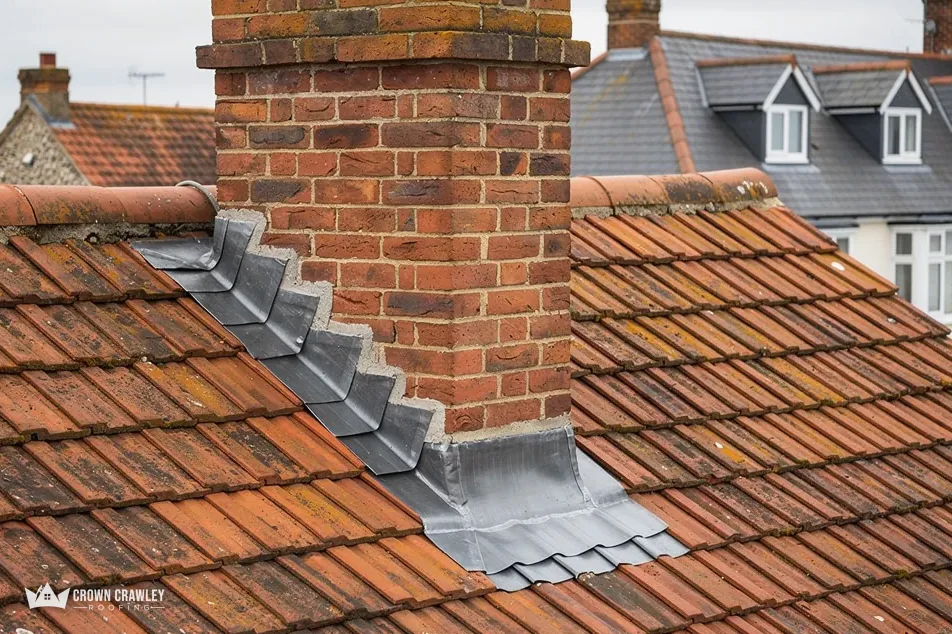
Stepped lead flashing around a brick chimney on a red tiled roof

Council houses of about 1978

The council houses were completed about 1978. A roof that has weathered for that long can have loose pointing, tired gutter brackets and moss at the eaves, so our survey starts with where the water is going.

Terraced roofs around a court

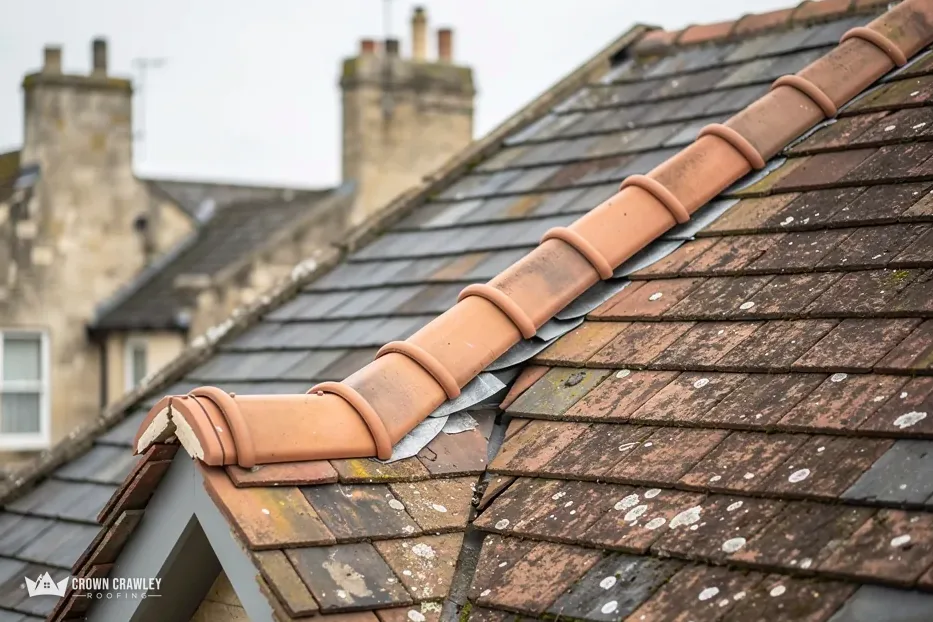
Clay ridge tiles along the hip of a weathered tiled roof

Courts facing away from roads

The county history says Crawley houses of the 1970s and 1980s were often built round courts facing away from roads. Where yours does, that decides where a ladder, a scaffold tower and a skip can stand, so we plan access before we price.

Houses grouped around a shared court

Broadfield, outside the ring road

Map of Broadfield and the neighbourhoods around it, with Crawley for reference.

Broadfield is a large neighbourhood outside the ring road, south-west of Crawley town centre, planned as the first new neighbourhood of the 1961 scheme.

Distance
2.1 road miles from Crawley, to the south-west
Drive
About 6 minutes
Council
Crawley Borough Council and West Sussex County Council
Planning authority
Crawley Borough Council
Ward population
10,448 (Census 2021, Broadfield ward)
Planned size
562 acres and 4,000 dwellings intended
Get a free quote

Roofing Broadfield, in stages

What a roof begun in 1969 has been through

Three chapters on what weather has done to roofs of the 1970s, how access works round a court, and which Crawley approvals come into play on a bigger job.

Stage 01 · Background

A neighbourhood begun in 1969

Broadfield was planned in 1967 and begun in 1969, so its roofs have a long run of weather and repairs behind them.

Broadfield was the first new neighbourhood of Crawley's 1961 scheme. The Victoria County History records that it was planned in 1967, begun in 1969 and meant to cover 562 acres with 4,000 dwellings. A shopping parade with a large supermarket and a community centre followed between 1976 and 1980. For a roofer that timeline is useful, because a house finished in 1973 and one finished in 1978 were built at different moments and have since been looked after by different people.

Is a roof begun in 1969 close to the end of its life?

Age alone does not settle it. Marley gives around 60 years for a concrete tile and adds that the figure is no warranty. A roof from the early 1970s is getting near that figure for the tile itself, which is a reason to survey carefully, not a reason to assume a new roof. The parts that give up before the covering are often the small ones: the mortar under the ridge and verge tiles, the nails, and the underlay where it laps into the gutter. A ridge nobody has touched since it was built may rely on mortar alone, because the 2014 revision of BS 5534 that asks for mechanical fixings on bedded tiles came much later. We check the bedding, and if we rebed we add fixings.

On a Broadfield survey

Tiles
Slipped, cracked or worn through
Ridge
Bedding sound, or caps fixed
Verge
Edge tiles held, mortar whole
Underlay
Felt still whole at the eaves
Gutters
Brackets firm, joints dry
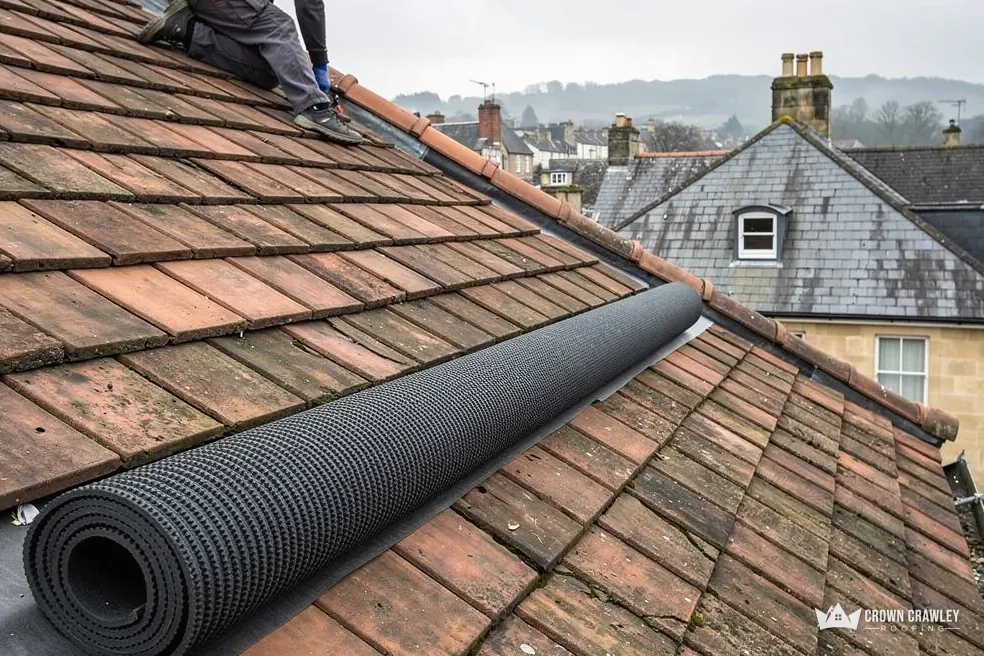
Roll of roofing membrane lying on a clay tiled roof

How do the houses for sale differ from the council houses?

Of the 184 houses for sale begun in 1971 and the council homes finished about 1978, we cannot tell from a street name which roof you have, and neither can anyone else. A house that has changed hands several times may have been patched by several tradespeople, each with their own habits. So we work from the roof itself, noting the tile shape, the ridge and verge fixings, the underlay and the airflow in the loft. The photos from the survey show you each of those details, so you can see what we saw.

Loft air deserves a look on every roof of this age. Where the underlay is old non-breathable felt, Marley's guidance, following BS 5250, calls for a gap along the eaves, 10mm for pitches steeper than 15 degrees and 25mm for 15 degrees or less. Where quilt has been stuffed into the roof edge the gap disappears, and then damp from the house settles on the cold timber. Clearing it costs little and keeps the battens dry for years. Our pitched roofing page covers the repairs we make to tiles, battens and underlay, from a single slipped tile to a stripped slope, and the written price covers whatever the survey finds.

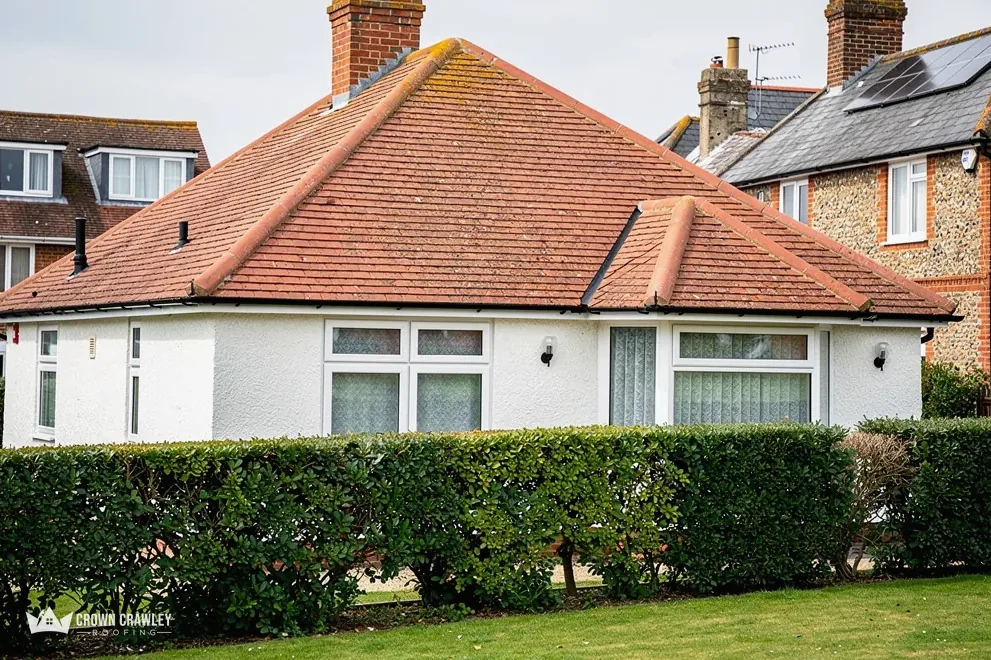
Dormer window with white cladding in a clay tiled roof

Stage 02 · On site

Courts, walkways and access

Houses round a court are pleasant to live in and awkward to work around, so we plan ladder, scaffold and skip before the job starts.

Houses of the 1970s and 1980s were often built round courts facing away from roads, as the county history notes of Crawley's newer neighbourhoods. It is a pleasant way to live, with quiet frontages and short paths. It also means a roofer cannot always park outside, lift tiles straight from a lorry and put a skip on the kerb. We plan for that at the survey, walking the route from the nearest parking space to the foot of your wall.

Where does the scaffold go on a Broadfield court?

On your own drive, garden or paved forecourt if there is room, since a frame kept off the public highway needs no licence. If the frame must use the footway or carriageway, the highway authority must license it, and for Broadfield that is West Sussex County Council, which wants 10 working days' notice or more and charges £266 for one month. Applying is a job for us and the scaffolder to share, and the start date follows the licence, so you are not left chasing forms. Where a path is shared with neighbours, we tell them when the scaffold goes up and when it comes down.

Words you will hear about access

Tower
Mobile scaffold for a small repair
Full scaffold
Fixed frame along the eaves
Skip permit
Needed if the skip stands on the road
Eaves
Where the roof meets the gutter
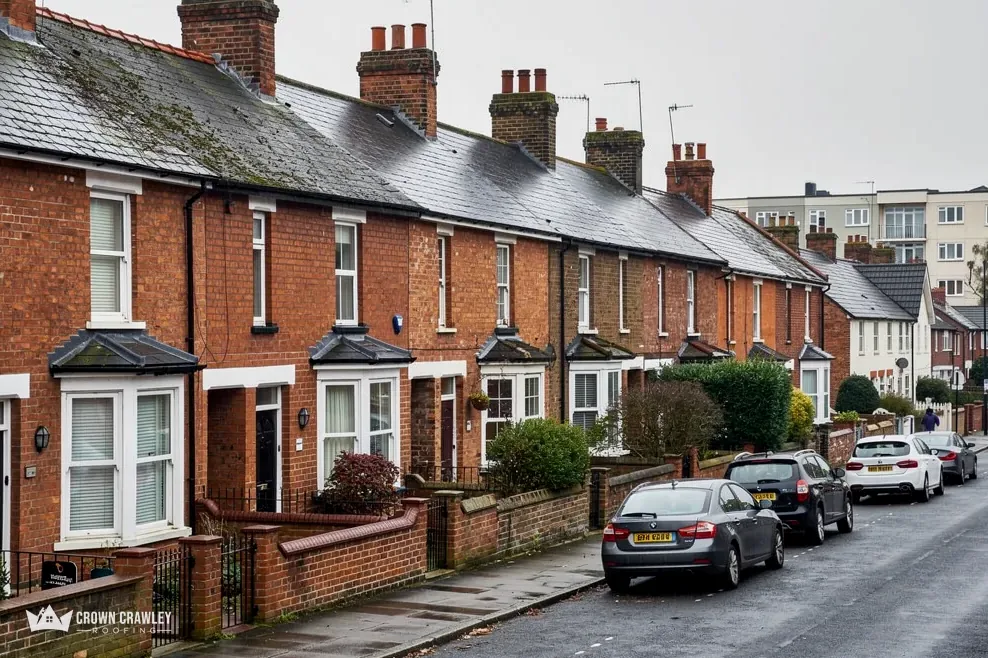
On a court, the question is often where the skip goes before it is what the roof needs.

Can a small repair be done without a full scaffold?

Sometimes. A few slipped tiles near the eaves or a loose verge cap on a low roof may be reached from a tower or a ladder fixed with a stand-off. A chimney, a high ridge or a long run of fascia usually calls for a proper frame, and we will say so with a reason. Working off a ladder alone at height is not a saving anyone should want. The written price states what access the job needs, and nothing is added later because the ladder turned out to be too short.

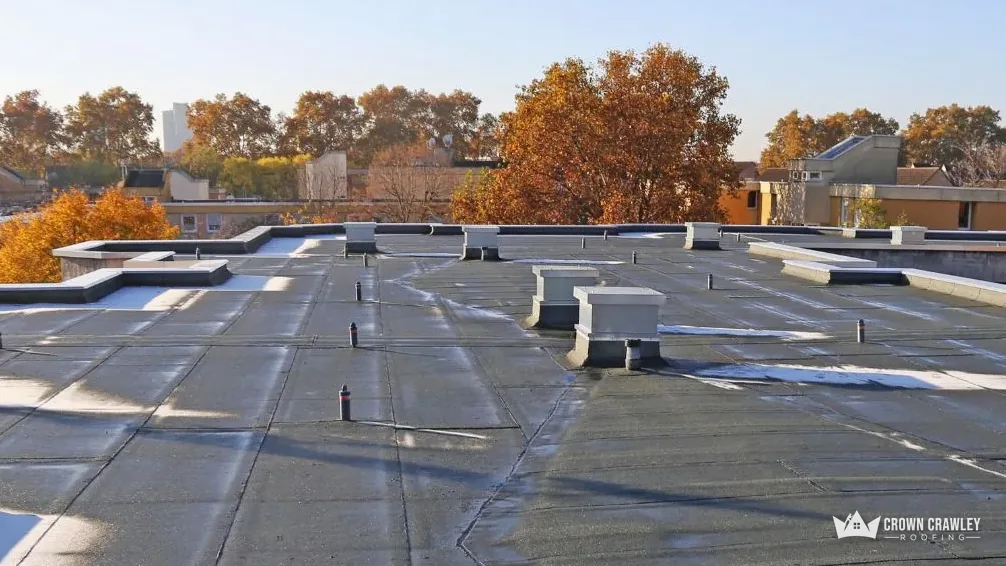
The same walk-through covers the other things that touch a roof. A flat-roofed porch or extension at the back of a court has its own covering and its own drainage, and our flat roofing page explains how those are repaired and renewed. We also look at how rainwater leaves the house, because a gutter that spills onto a path used by a whole court is a nuisance for everyone. The last thing we do is walk the court with you to confirm it is clear of nails, tile offcuts and packaging.

Stage 03 · Permissions

Crawley's rules for a bigger job

Planning in Broadfield sits with Crawley Borough Council and approvals with Crawley Building Control, each relevant when a whole slope is stripped.

A like-for-like fix to a few tiles, a ridge or a valley leaves the house looking exactly as it did, and jobs like that sit outside most paperwork. Approvals come into play when a roof is stripped, when the covering changes, or when a repair has grown into something larger.

At what point does a Broadfield re-roof need approval?

Crawley Building Control carries out all the building control work in the borough, and among the domestic work it lists as needing approval is replacing more than a quarter of a roof's surface. When the photos show a whole slope or more has to be stripped, we contact the team before settling the start date, and your written price reflects that conversation. A heavier covering matters as well. The Planning Portal names a covering that adds 15 per cent or more to the roof's weight as one trigger for approval, and it suggests consulting a structural engineer or surveyor first. A swap from concrete tile to slate or clay therefore deserves a proper look before anyone orders materials. Our roof replacement page explains each stage of a whole new roof, start to finish.

Before a re-roof starts

Planning
Crawley Borough Council
Approvals
Crawley Building Control
Scaffold
Licence needed only on the highway
Wildlife
Bats or nests found mean a pause
Victorian brick terrace with bay windows and parked cars

Could a dormer or a new roof shape need planning in Broadfield?

Re-roofing in matching materials is the simple case, and the borough can confirm whether any conservation area boundary touches your road. Should you want a different look, such as a dormer or a reshaped flat roof, the answer comes from Crawley Borough Council's planning team. Our guide to planning permission for roof work lists what to ask them first, so you arrive at that conversation prepared.

What happens if we find bats or a nest?

Wildlife law counts too. Bats are fully protected, and the government's own guidance names roofing jobs among the activities that can harm a roost. Wild birds' nests in use are protected too. Where droppings or other signs of bats appear at the survey, we halt and talk with you before a tile is lifted, and a nest under the verge may shift the start date. None of this is dramatic, and it is far better dealt with at the survey than halfway up a scaffold with a slope half stripped. To begin, name your court or road, send a photo of what is wrong, and we will arrange the survey.

Your Broadfield roof questions

Does a house built in Broadfield in the 1970s need a new roof yet?

Not because of its age alone. Building began in 1969, and Marley gives around 60 years for a concrete tile, adding that the figure promises nothing. Ridge mortar, nails and eaves underlay usually need work sooner than the tiles. Photos from a survey of your own house show whether a repair will see the roof through.

Can you get a ladder and scaffold into a Broadfield court?

We walk the route at the survey, from the nearest parking space to your wall, and plan around shared paths, bin stores and neighbours. A frame inside your boundary needs no licence, which is one reason we look for space on your own ground first. If it has to stand on the road, West Sussex County Council licenses it, and we sort that out with the scaffolder.

How much of a Broadfield roof can be replaced before Crawley Building Control is involved?

Crawley Building Control lists replacing more than a quarter of a roof's surface among the work that needs approval, and we contact them on larger jobs. Fixing a few tiles, a ridge or a valley like for like is a different matter. The survey shows which side of that line your roof falls on, and your written price says so.

What should I send to get my Broadfield roof priced?

Send your road or court with the postcode, an image of the slope, ridge or gutter that worries you, and a note of where the water comes in. A photo of any ceiling stain or damp patch helps as well. We then book the survey, photograph your own roof, and give you one total price in writing.

Your Broadfield roof, read before it is priced

Tell us your court or road, add a photo of the leak or loose tile, and we will set a date for the survey.

01293 974253

10-year workmanship guarantee, in writing.

Call Get a free quote