Can an old peg-tile roof in the village be repaired?
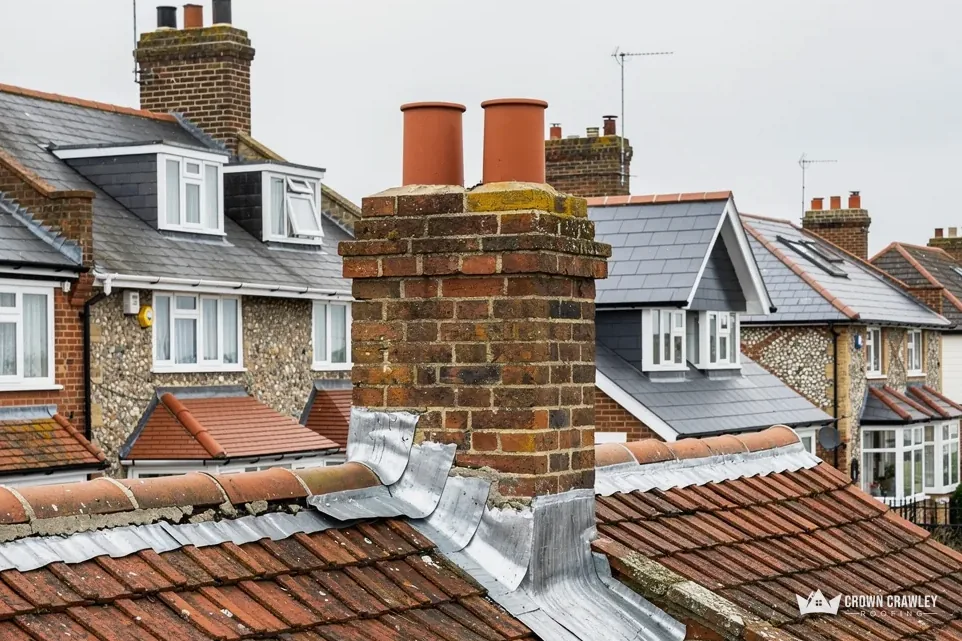
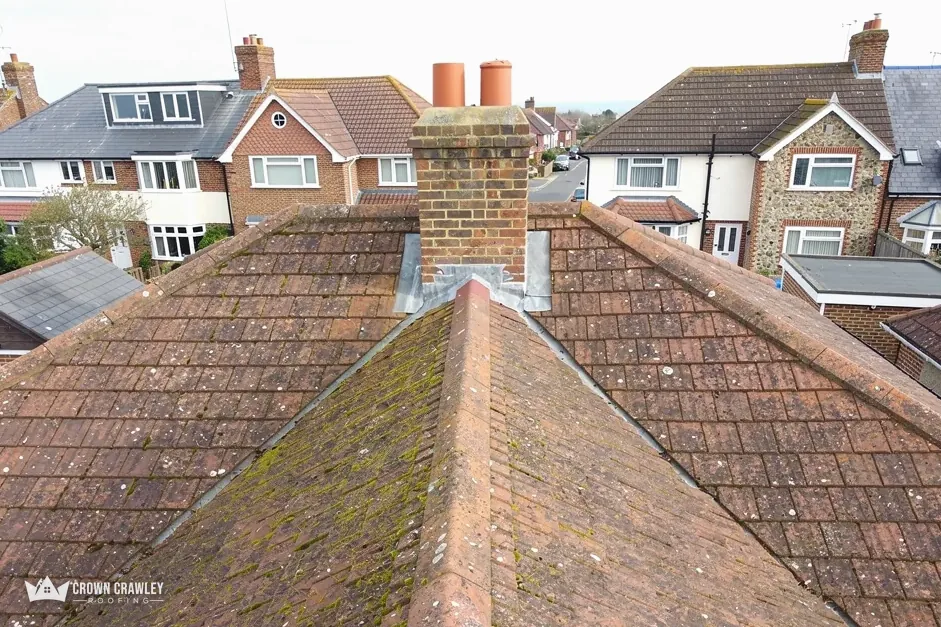
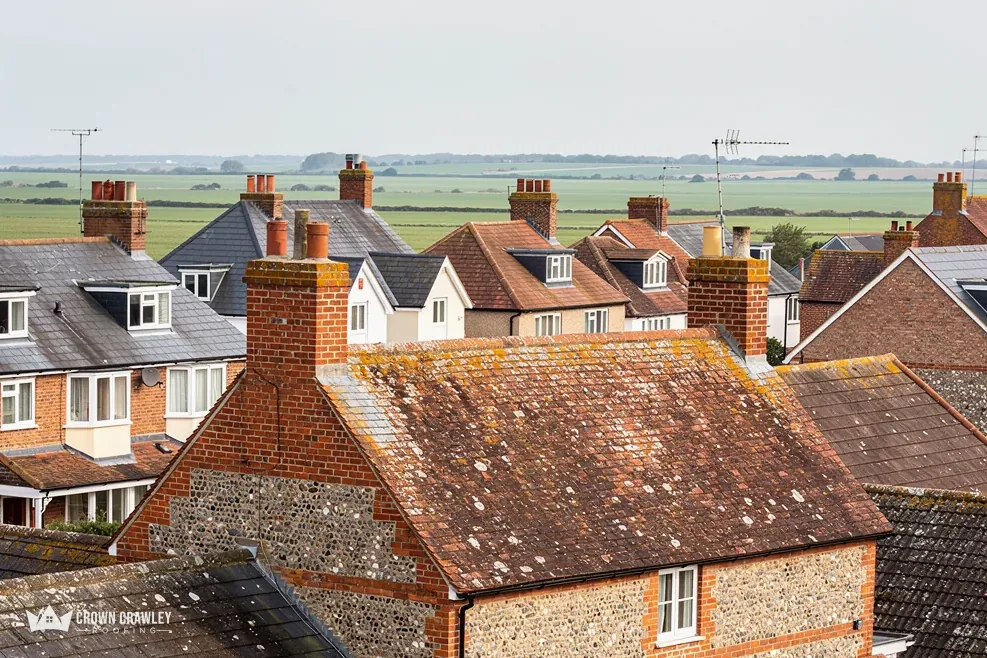
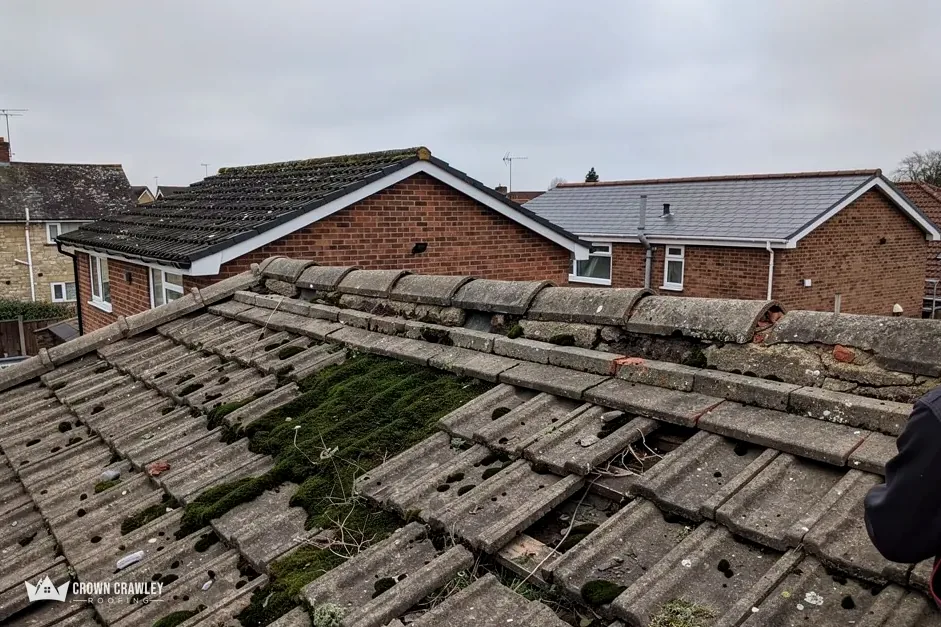
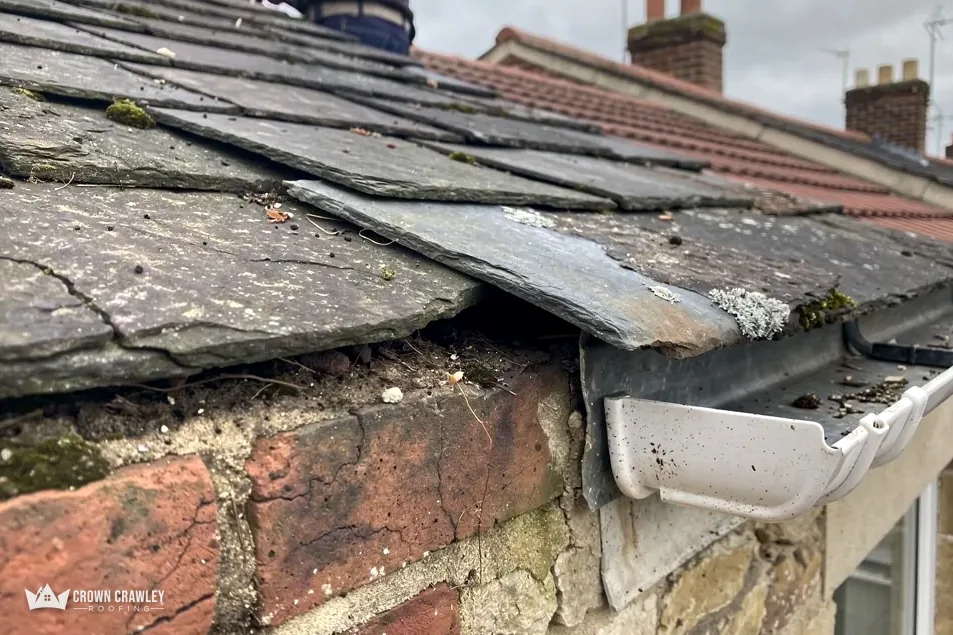
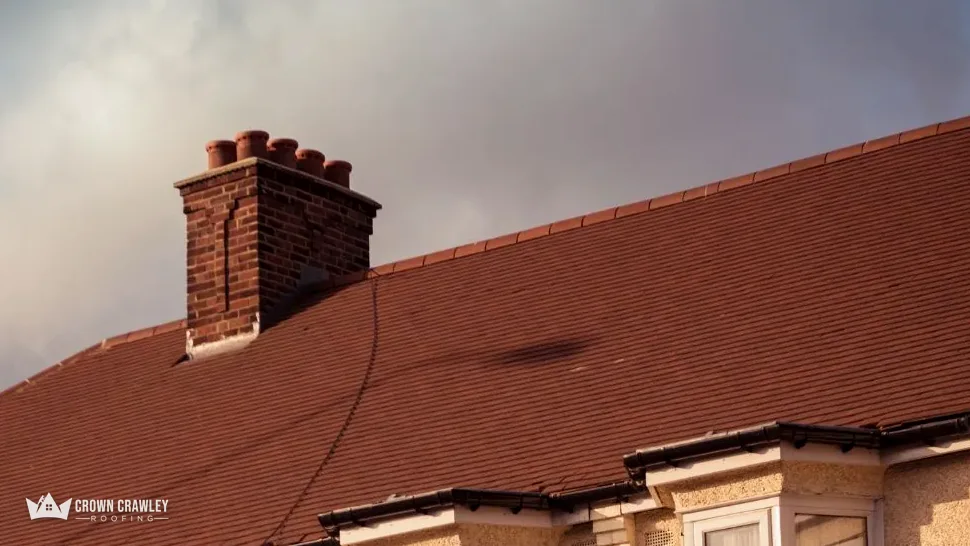
Often yes, and the first job is to establish what is up there. Hand-made clay tiles, machine-made clay, concrete and slate each behave differently. The Building Research Establishment's 60-year minimum for clay is often repeated, but a conservation journal warns it tells you little about old peg tile. Each tile's condition counts for more than any date. We look at how many tiles are sound, how many are flaking at the surface, and whether the nail holes have worn through. If most of a slope is sound, we replace the failures with reclaimed or matching tiles and leave the rest alone. Slate is the other covering you may meet on older buildings. Well maintained, it can last 100 years or more, and a slipped slate can be a failed nail or hook rather than a failed slate, so we check the fixings before anyone condemns the covering.
What should a 1950s gutter line get from us?
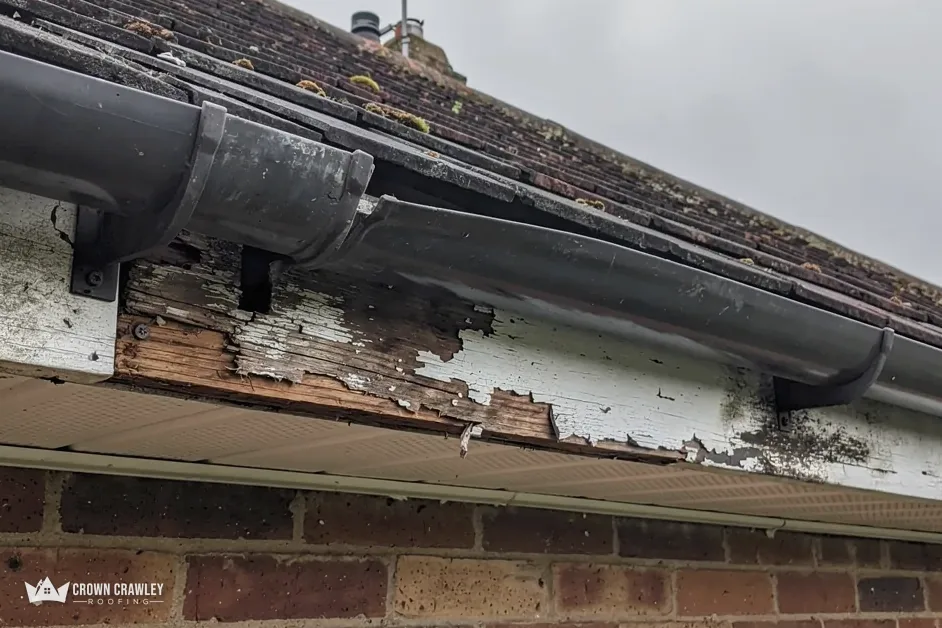
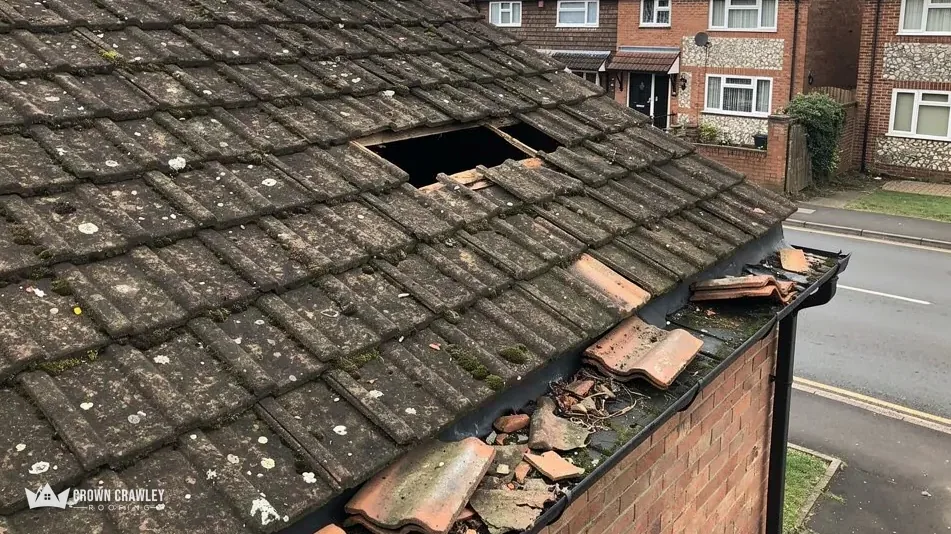
On houses from the neighbourhood, we look at the gutters as carefully as at the slope. Concrete (Finlock-type) gutters were used on some 1950s houses. The RICS defects record warns that leaking joints have led to serious decay in many of them, yet it adds that a careful look can sort the gutters that need big replacement work from those that will last if they are looked after. Removal, it says, should not be taken for granted. So we examine the joints, the lining if there is one, and the timber and brickwork beneath, and we say plainly whether lining, repair or replacement fits. Our gutters, soffits and fascias page explains the options.