Roofers in Forest Row

Hartfield Road, Stone Cottages and Holy Trinity, under High Weald skies.

Forest Row sits within the High Weald National Landscape, and the village has a conservation area. We work out which rules apply to your roof before the price is written down.

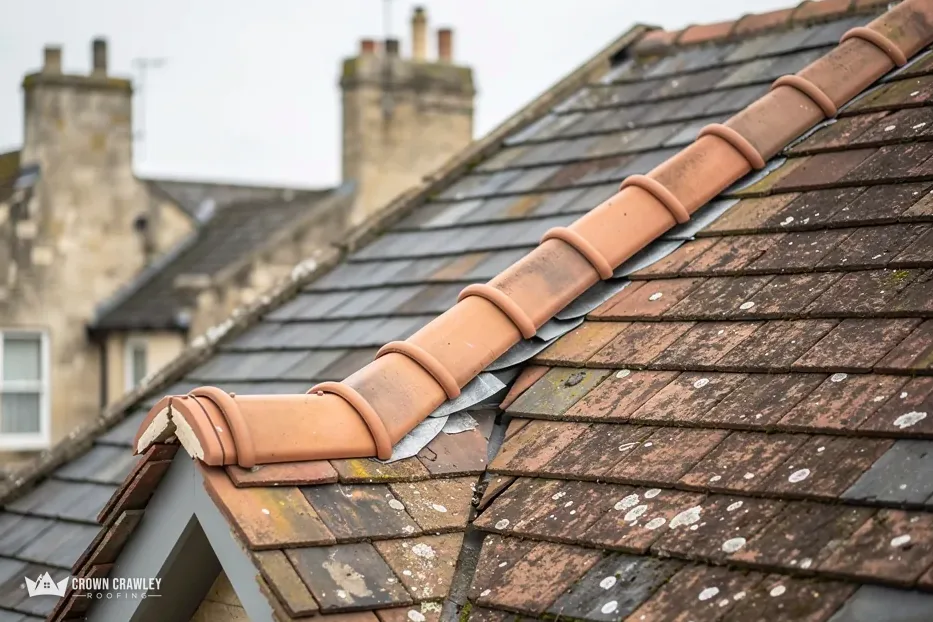
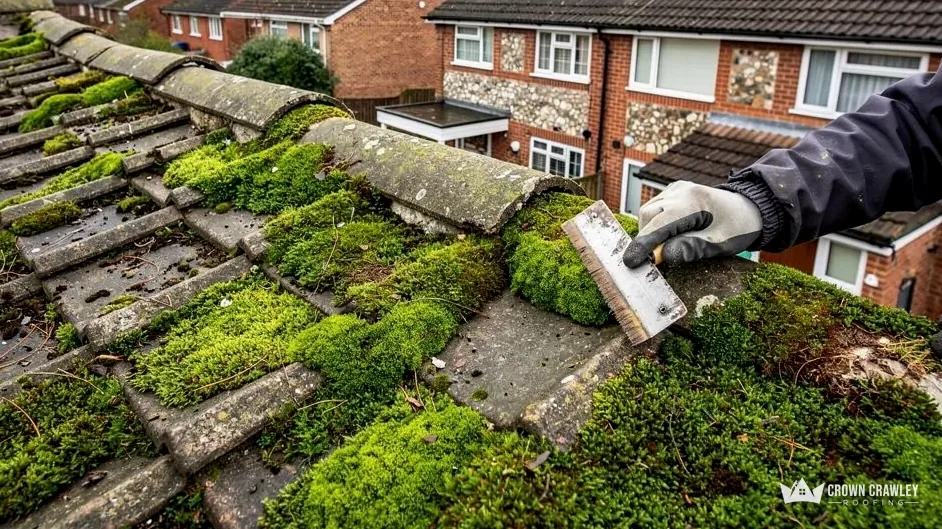
Clay ridge tiles along the hip of a weathered tiled roof

The roof mix in Forest Row

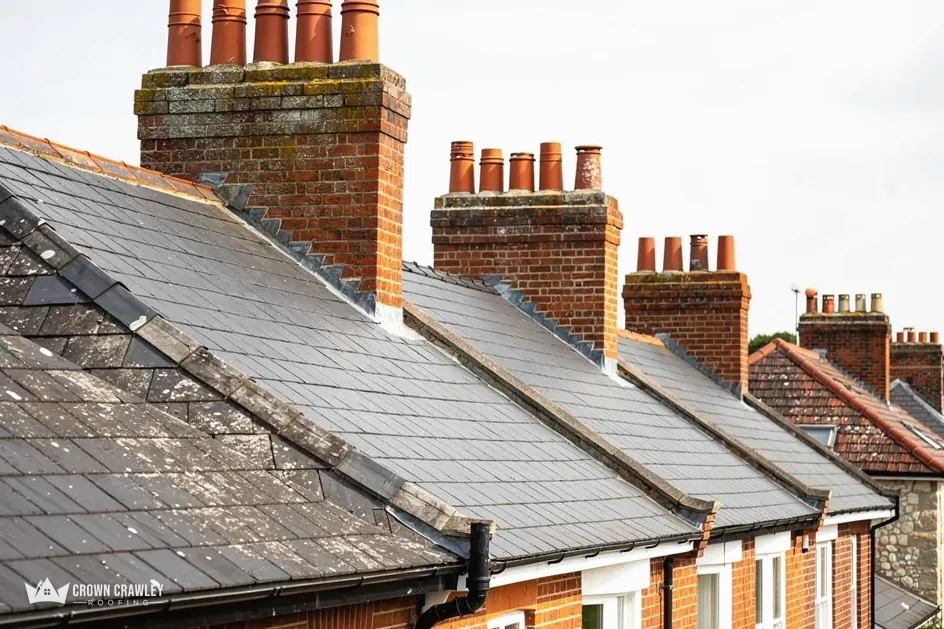
Row of terraced chimney stacks above slate roofs

Houses on Hartfield Road

Number 1 Hartfield Road, and numbers 29 and 30, are each listed Grade II. A listed house needs the council's answer on its roof before any covering is changed, so we ask first and order second.

Old tiled house roof beside a road

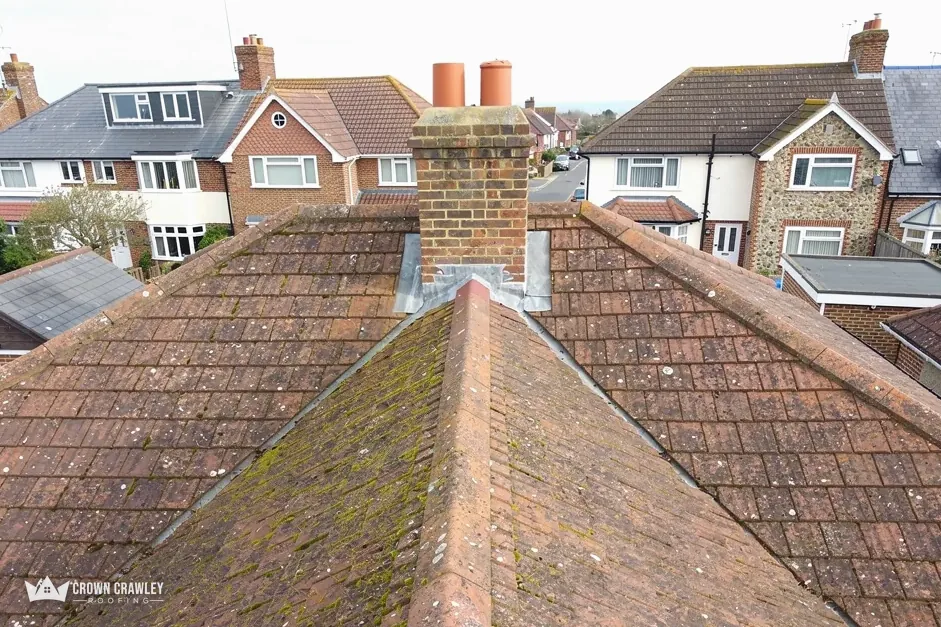
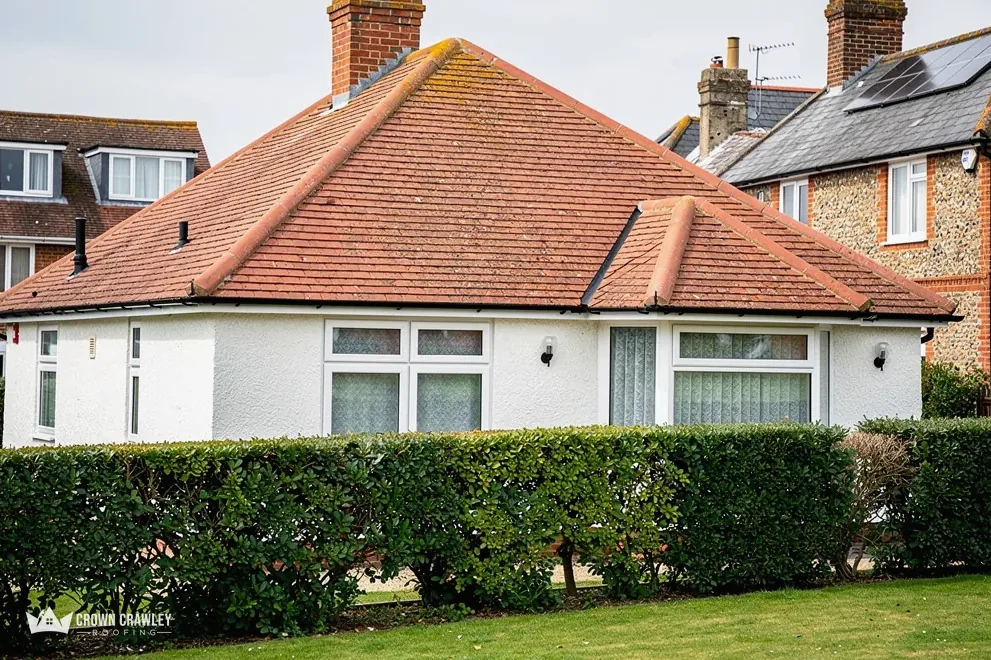
Hipped tiled roof with a chimney at the ridge

Stone Cottages

Stone Cottages (numbers 1, 1A and 2) carry a Grade II listing of their own. Small attached roofs share a ridge, a party line and often a gutter, so one repair can reach the neighbour's side.

Attached cottage roofs sharing a ridge

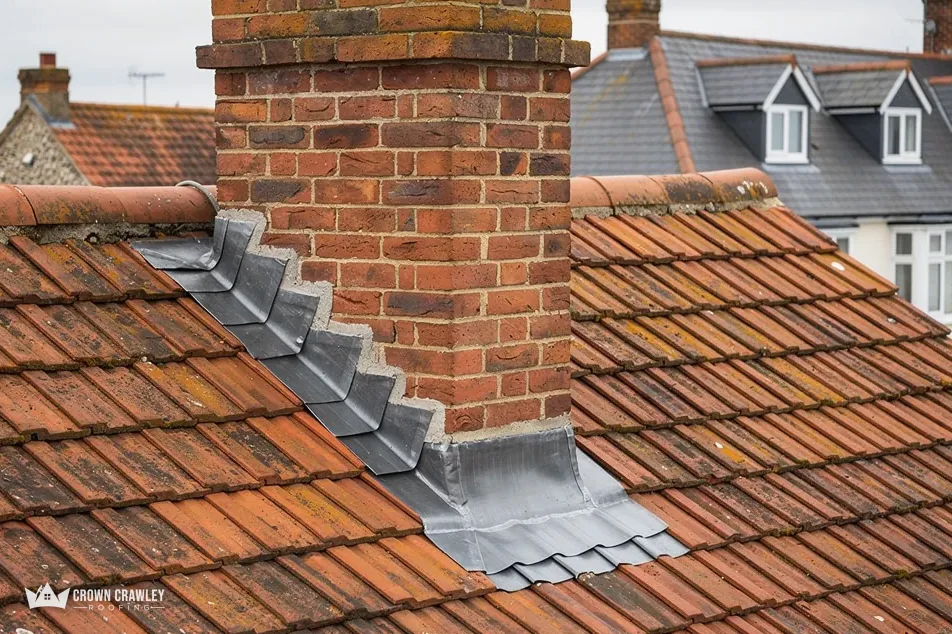
Brick chimney with lead flashing on a clay tiled roof

Roofs inside the conservation area

Part of Forest Row falls inside its conservation area, first designated in 1992. We confirm with the council which side of the line your address sits on before we settle tile, colour or detail.

Tiled village roofs and chimneys

Forest Row, inside the High Weald

Map of Forest Row and the neighbourhoods around it, with Crawley for reference.

Forest Row is an East Sussex village in the High Weald National Landscape, which planning law still calls an area of outstanding natural beauty.

Distance
12.7 road miles from Crawley, to the east
Drive
About 24 minutes
Council
Wealden District Council and East Sussex County Council
Planning authority
Wealden District Council
Conservation area
Forest Row Conservation Area (designated First designated 1992; reviewed and re-designated with amendments 22 March 2017)
Population
3,881 (Census 2021, Forest Row built-up area)
Building control
East Sussex Building Control Partnership, led by Wealden
Get a free quote

Notes on Forest Row roofs

Roofs in a protected landscape

Three short chapters on High Weald building materials, a Grade II church and cottages, and the East Sussex steps for a larger job.

Stepped lead flashing around a brick chimney on a red tiled roof

Stage 01 · Local materials

What the High Weald is built from

The High Weald's own account of its buildings sets the scene for roofs here: local stone, brick and tile, with timber on the walls.

The High Weald National Landscape spans 1,461 square kilometres over three counties, and its own pages talk about timber-framed and weather-boarded buildings. They add that the widespread use of sandstone, bricks and tiles reflects the underlying geology of sandstone and clay. That is a description of the region, not of any single Forest Row house, and we use it the same way: as a reminder that tile, brick and timber meet one another all over this area, and that the places where they meet are where a roof tends to fail first.

Where a roof meets its wall

Flashing
Metal strip sealed, nothing lifting
Cladding end
Boards finish clear of the slope
Tiles
Edge courses whole and bedded
Gutter
Falls to the outlet, no pooling
Fascia
Board dry, with no soft patches

Where does water get in at the edge of a roof?

Most often where a roof stops and something else starts. That might be a chimney, a wall that rises above the slope, or a side wall clad in timber boards. Flashing closes that joint, its top edge wedged into a mortar course and its lower skirt lapping the tiles. When flashing lifts, cracks or is hidden under a smear of sealant, water follows the wall into the room below. We cut back old sealant, look at what is underneath and replace the flashing properly, so that the repair outlasts the tube of mastic it replaces. If the overflow comes from the eaves instead, our gutters, soffits and fascias work is a separate job, and we say which one you need.

What do overhanging trees do to a roof?

Any roof under branches collects leaves, twigs and moss. Debris blocks the gutter, soaks the fascia board behind it and can push water back up under the first row of tiles. A Checkatrade cost guide dated October 2026 puts a new gutter run at £650 to £1,700 for 15 to 20 metres of gutter with three downpipes, and its April 2026 roof cleaning guide gives £8.50 to £14 per square metre for moss removal. Clearing a gutter once a year costs far less than replacing rotten timber, and we photograph the gutter line so you can see what is up there. For the tiles themselves, our pitched roofing page sets out how we repair them. Moss on its own is not a leak, but a thick mat holds water against the tile and clogs the gutter below, so we say whether cleaning or a repair comes first.

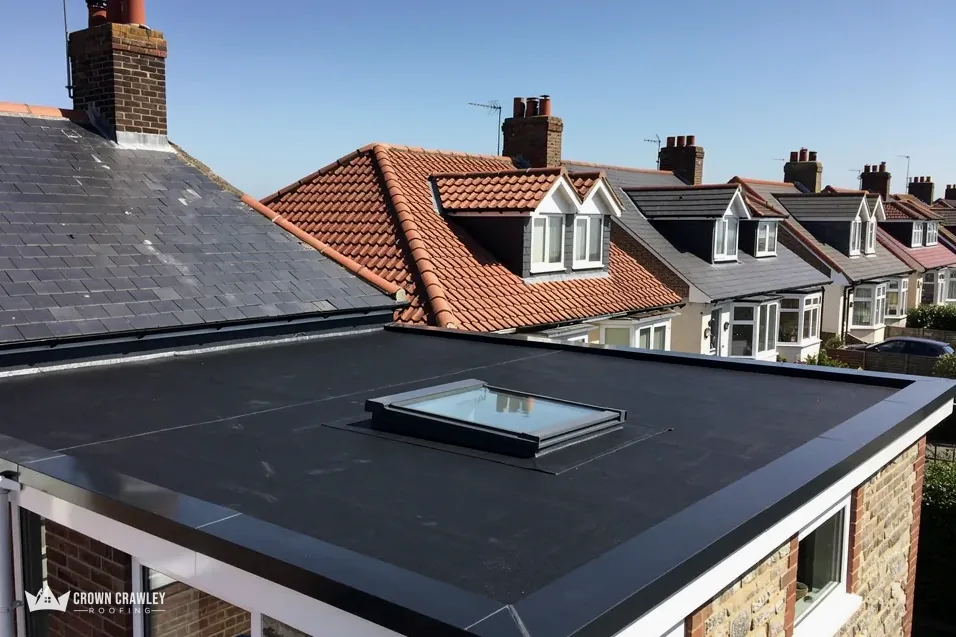
Black flat roof with a rooflight on a house extension

Stage 02 · Listed and consecrated

A Grade II church, cottages and listing

The parish church, the Hartfield Road houses and Stone Cottages are Grade II listed, and a church follows a different consent route.

The Parish Church of the Holy Trinity is listed Grade II, as are 1 Hartfield Road, 29 and 30 Hartfield Road, and the Stone Cottages at numbers 1, 1A and 2. Between them they show that a roof does not have to be grand to be listed.

Why does a church follow different rules from a house?

Holy Trinity is an Anglican parish church in use, so the ecclesiastical exemption applies: roof works go through a faculty from the diocese, not through listed building consent from the council. Planning permission stays a separate matter, because the exemption does not cover it. Once the parish confirms in writing which consent applies, we quote to that, and the survey photographs go to whoever the parish nominates to read them.

Consent words explained

Faculty
Church of England permission for church works
Exempt denomination
A church that runs its own approvals
Listed building consent
Council permission for listed houses
National Landscape
Protected countryside, formerly named differently

What about a listed house or cottage?

A listed house goes to Wealden District Council. Altering a listed building so that its character changes needs listed building consent, and the roof makes up much of what the street sees. We bring the council the survey photos and a note of the tile, the ridge detail and the flashing, then wait for its answer before we agree a start. Keeping that exchange in writing protects you if the roof is ever sold. Swapping a broken tile for an identical one tends to be a quick question; moving to a different material is a slow one, and on a house seen from Hartfield Road the colour and size of the tile matter as much as the material. Cottages that share a roof need extra thought. Where a terrace like Stone Cottages shares a ridge and a gutter, a repair on one side can affect the other, so we speak to the neighbour as well and photograph both sides before and after.

A church and a cottage can both be Grade II and still need different consents.

If you are not sure whether your house is listed, the council can confirm it. Do that before asking anyone for a price, including us, because a quote for the wrong kind of work wastes everyone's time. If a leak is active, the order changes: we stop the water, take photographs and sort out the consents once the house is dry. A temporary repair that keeps the rain out is not the same thing as the permanent one, and we keep the two apart in our notes so the council sees exactly what was done and why.

Stage 03 · Permissions and scaffold

East Sussex steps for a bigger job

Forest Row's planning goes to Wealden, its building control to a four-council partnership, and road scaffold to East Sussex Highways.

Most Forest Row repairs involve no authority at all. A bigger job brings in several, and the sensible order is to ask them before you spend money, not after. A village with a conservation area, a National Landscape and several listed buildings raises a few extra questions, and none of them is hard once you know whom to ask.

Who checks building work in Forest Row?

Wealden leads the East Sussex Building Control Partnership, which also covers Eastbourne, Hastings and Rother. The Planning Portal's test for a re-roof: normally no building control application while less than 25 per cent of the building envelope is affected and less than 50 per cent of the roof, though a covering 15 per cent or more heavier brings approval in. Your survey tells us which way your roof falls. Because Forest Row sits inside a National Landscape and has a conservation area, changes to a roof's appearance deserve a conversation with Wealden's planning team first, ideally with your own photographs attached. Our post on planning permission for roof work sets out where to look. For a full strip and recover, roof replacement shows the stages from first look to final tidy.

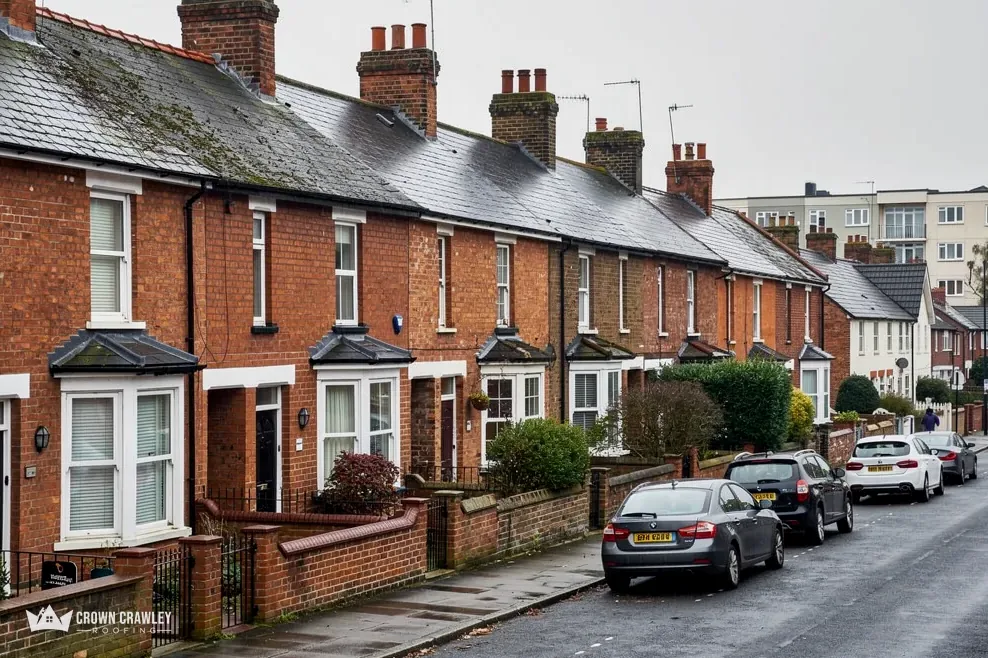
Victorian brick terrace with bay windows and parked cars

Who to ask in Forest Row

Planning
Wealden District Council
Building control
East Sussex partnership
Highway licence
East Sussex Highways
Landscape
High Weald National Landscape
Church roofs
Faculty, not council consent

What does scaffold cost, and is a licence needed?

For scaffolding alone, a Checkatrade table dated September 2026 suggests £300 to £600 a week for each elevation, and the figure moves with the height and length of the elevations. That is a national guide figure, not part of a quote. Scaffold on the public highway needs a licence, and in East Sussex those come through East Sussex Highways, which lists a 28-day scaffolding licence at £127.00 and said fees would rise by 2.77 per cent from 1 April 2026. Its terms leave open who applies, so we raise it with the scaffolder and agree the answer before booking. Poles on your own ground need no highway licence.

What if bats are living in the roof?

Bats and their resting places are protected, and GOV.UK guidance names roof repairs as work that can affect them. Fresh droppings in a Forest Row loft, or staining beside an opening at the eaves, halt the job while we explain what we found. You then decide the next step with proper advice, and the roost stays untouched until that is settled. When you contact us, mention any listing or conservation area status you know of, and attach a picture of the worrying slope.

Forest Row roofs, answered

Does the High Weald National Landscape stop me re-roofing in Forest Row?

No. It does mean fewer permitted development rights, since National Landscape and conservation area land both count as article 2(3) land, and Forest Row has both. Matching the existing tile exactly is the straightforward case. If you want a different covering, put the question to Wealden District Council's planning team first and file the reply.

When was the Forest Row conservation area designated?

It was first designated in 1992, then reviewed and re-designated with amendments on 22 March 2017, according to the notice in the Gazette. That is the area's own history. Its boundary decides whether a given address is inside, and Wealden District Council can confirm that for your house in one short reply to an email. We also ask for the council's reply before choosing tiles, so the colour is right the first time.

How are church roofs handled differently?

Holy Trinity is a Grade II church used by the Church of England. For a church like that, the Church's faculty system takes the place of council listed building consent, though planning permission is still separate. Church roof work starts once the parish has confirmed the consent route in writing, because the scaffold, the access and the start date all depend on that answer.

Where does the scaffold go for a Forest Row roof?

On your own ground if there is room, with no highway licence needed. Should it have to stand on the road, East Sussex Highways issues the licence, listed at £127.00 for 28 days, with a 2.77 per cent increase in licence fees notified from 1 April 2026. We settle who applies with the scaffolder before booking, then tell you the outcome.

Your Forest Row roof, from the first photo

Photograph the slope or gutter that worries you, add your Forest Row postcode and note any listing, and we will book your survey.

01293 974253

10-year workmanship guarantee, in writing.

Call Get a free quote