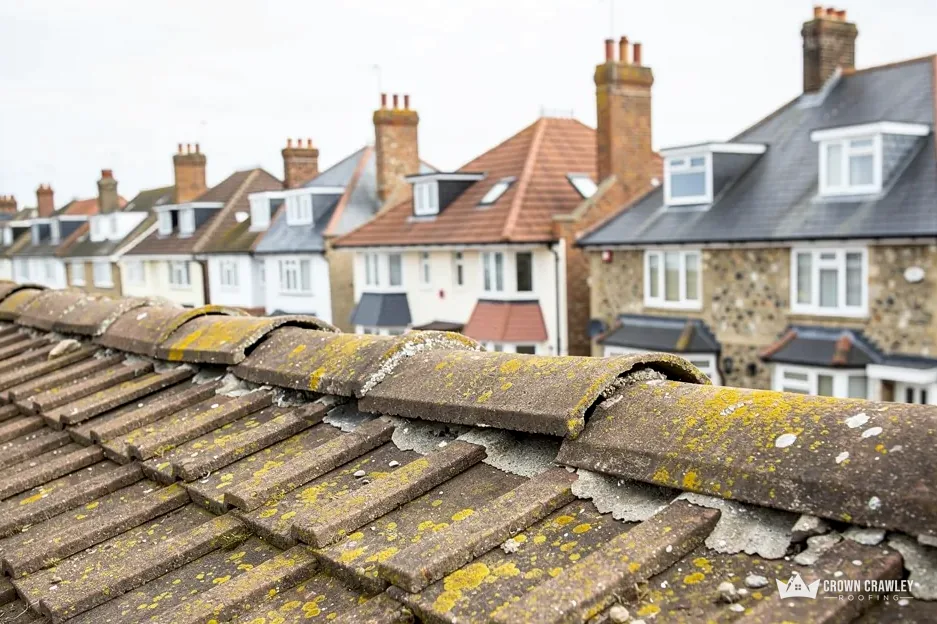
Tiled roofs at St Mary's gate
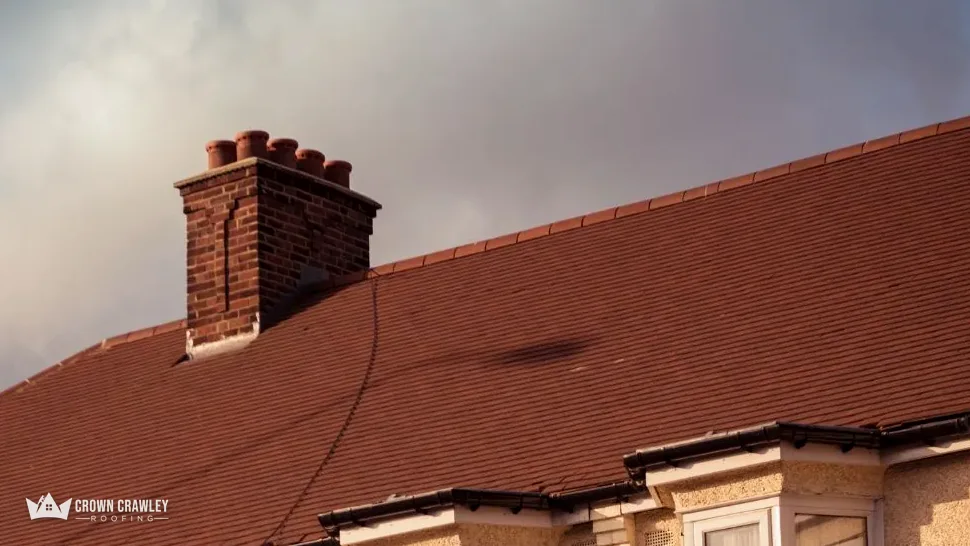
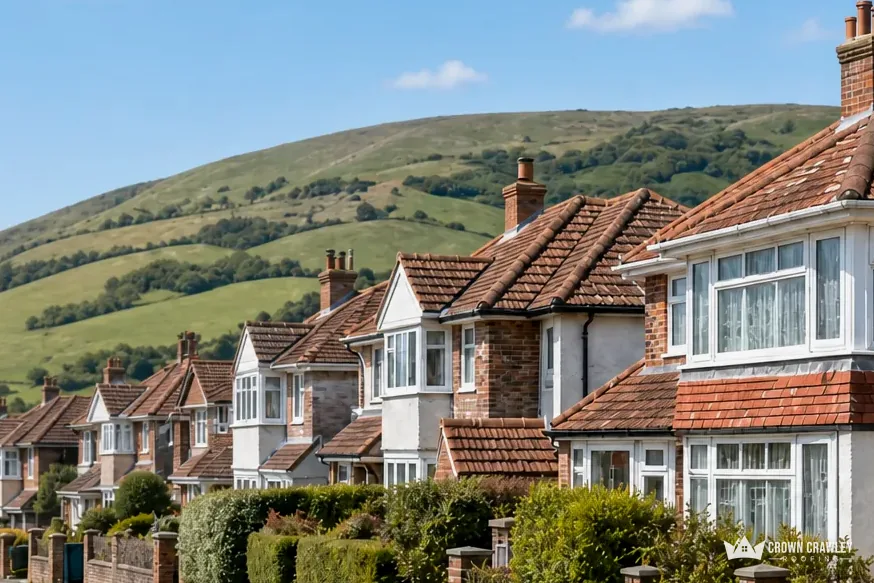
The church of St Mary stands at the gate of Cowdray Park, and its roofs are tiled. For any roof near it we check the tiles, the battens and the lead at every wall junction.
Tiled roof beside a stone wall
Roofs around St Mary's church, the priory remains and Cowdray Park.
Easebourne lies across the River Rother from Midhurst, at the gate of Cowdray Park. We read its tiled roofs, stone-wall junctions and chimneys on site, then give you a price in writing.
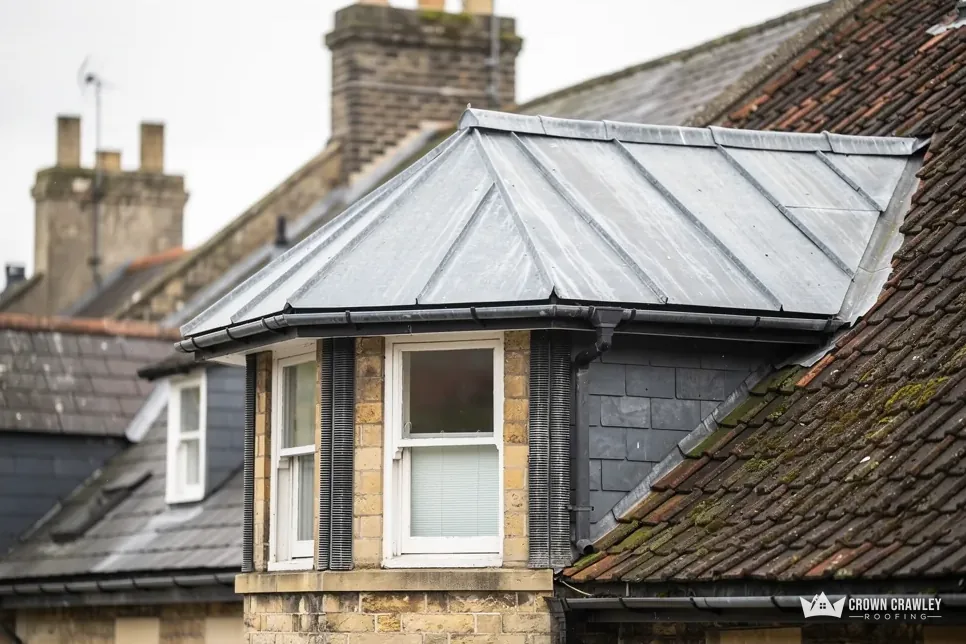
The church of St Mary stands at the gate of Cowdray Park, and its roofs are tiled. For any roof near it we check the tiles, the battens and the lead at every wall junction.
Tiled roof beside a stone wall
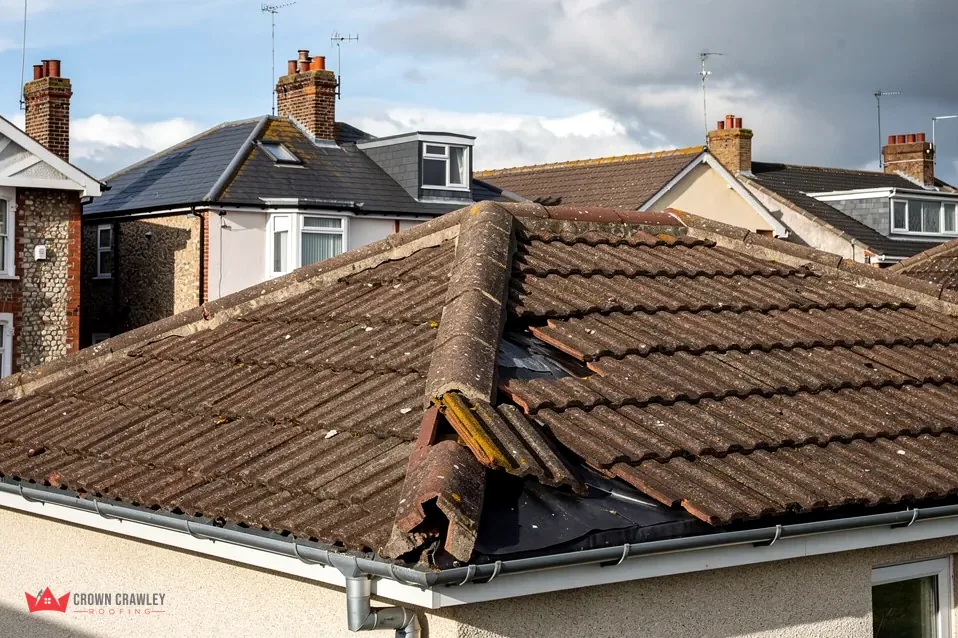
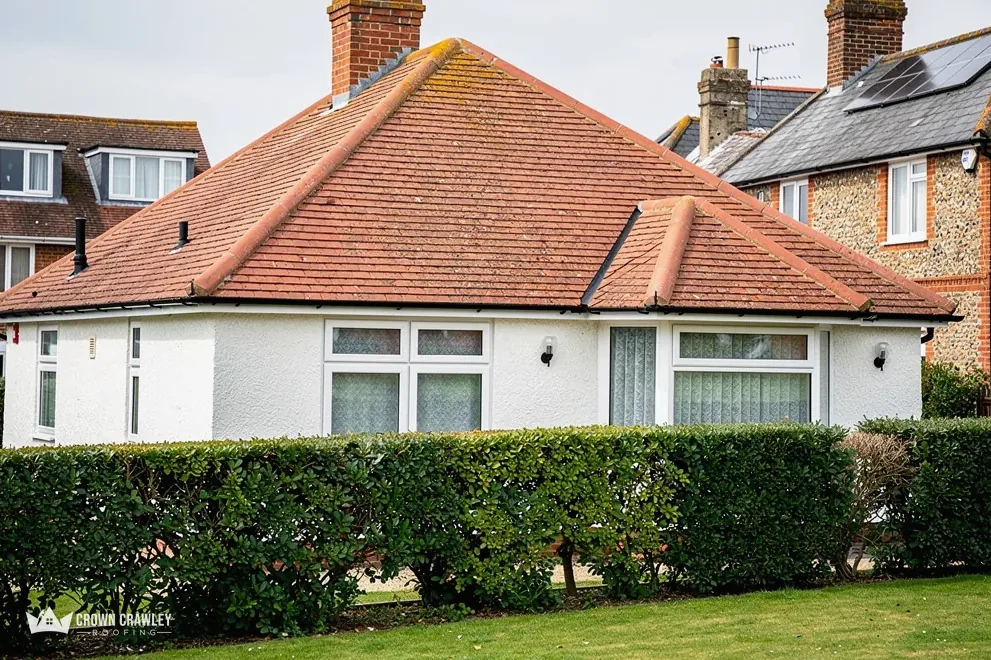
The village's old houses were reconditioned or rebuilt by the Cowdray Estates. Estate work done in stages can leave different details on one slope, so each Easebourne roof is read for what it actually holds.
Cottage roof with mixed repairs
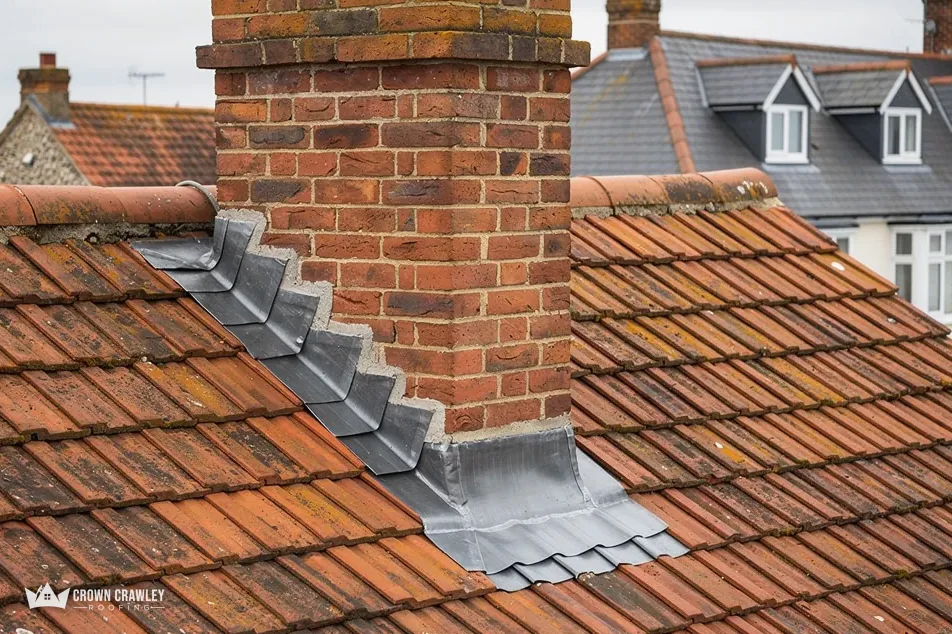
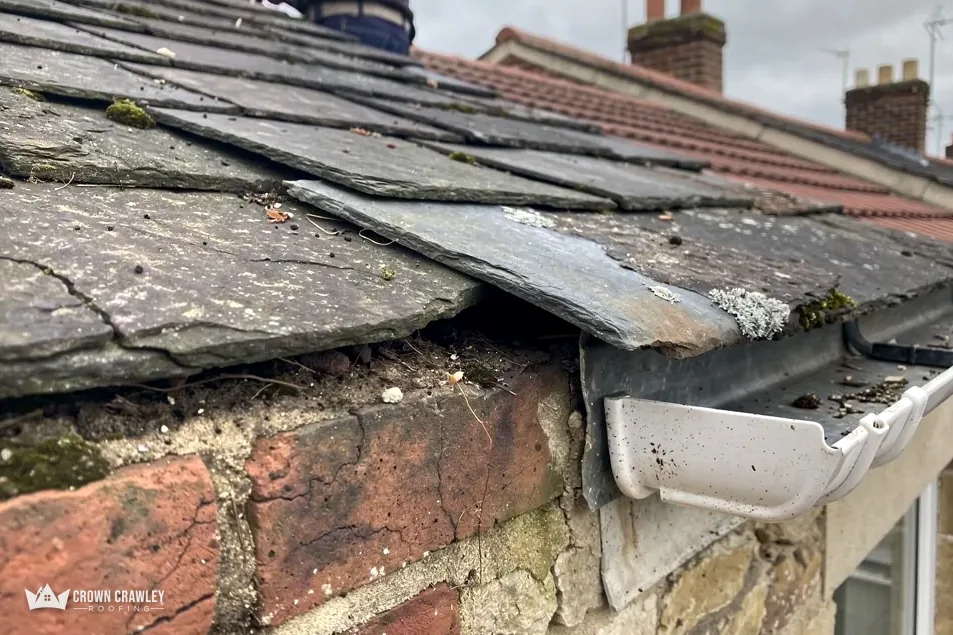
Old walls here are squared stone rubble with brick around the windows. We check the flashing and pointing where a roof meets them, and photograph each joint so you can see it.
Roof edge against a stone wall
Map of Easebourne and the neighbourhoods around it, with Crawley for reference.
Easebourne is a large parish north and east of Midhurst, with the River Rother between them and the church at the Cowdray Park gate.
Easebourne: our notes
Three short chapters on what we check first, how a roof meets an old stone wall, and the Park and conservation rules behind a bigger job.
Stage 01 · First look
The history of Easebourne is well recorded, but your roof is the only record that matters to a repair, so we read it directly.
Easebourne has a long paper trail. The Victoria County History describes a large parish north and east of Midhurst, separated from the town by the River Rother. The church of St Mary, once also the priory church, stands at the gate of Cowdray Park, and the same source notes that its tower is of rubble and its roofs are tiled. Considerable remains of the priory survive south of the church, including the 13th-century east range. Roofs here sit among buildings that people have looked after for a long time, and that shapes how we begin.
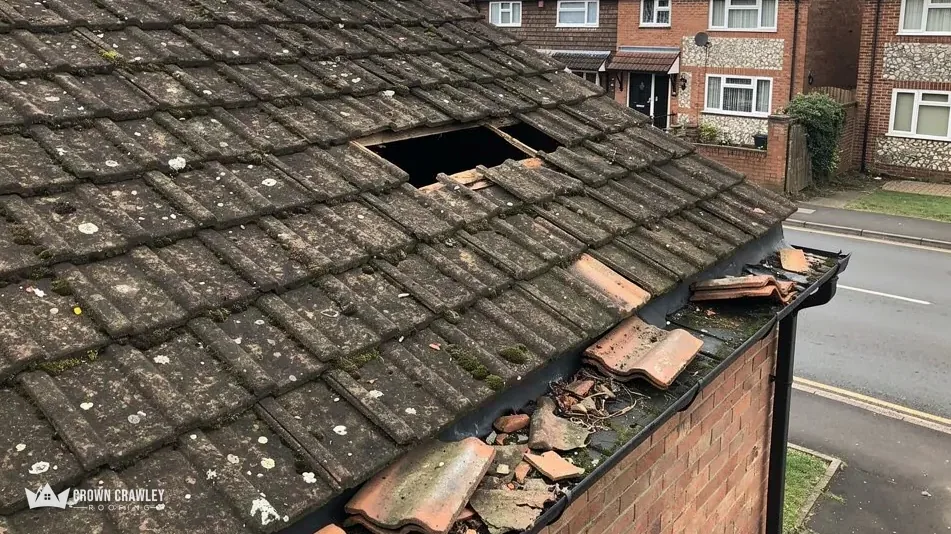
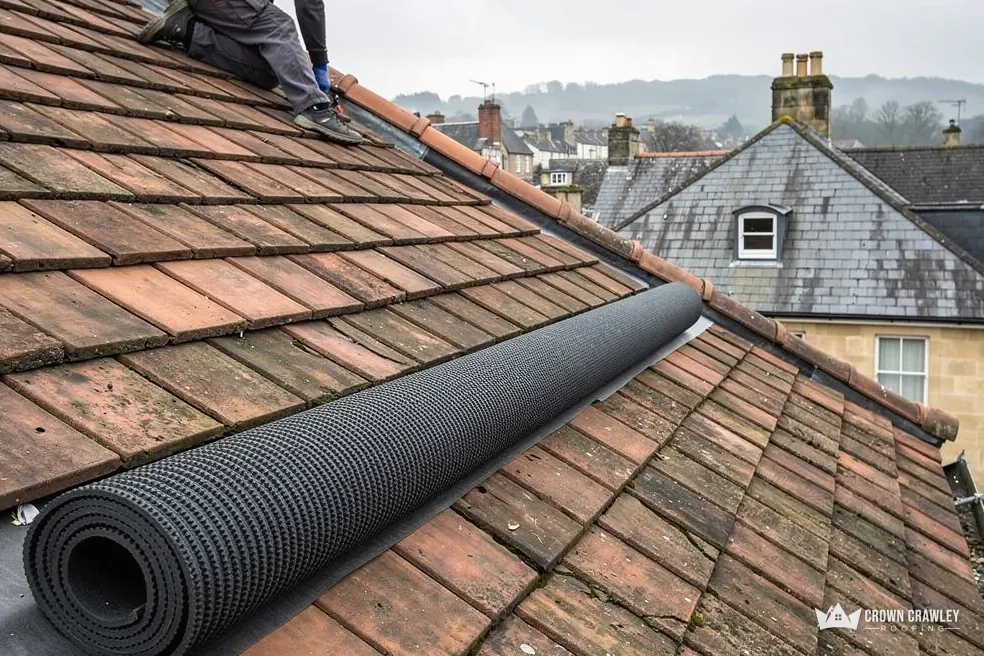
We begin on the ground with a look at the whole roof, then climb up to read the details. Tiles come first: are any slipped, cracked or flaking at the lower edge? Next are the lines holding a roof together. The ridge runs along the crest; the verge is the angled edge where a gable wall finishes the roof. Beneath the tiles lie battens, the thin timber strips each tile hangs from, and the underlay that catches whatever water slips past. Then the loft, where chinks of daylight, damp patches and darkened timber tell their own story. Photos of each of these, taken on your roof, come with the quote.
On an Easebourne survey

The history records that the village's old houses have all been more or less reconditioned, or in some cases rebuilt, by the Cowdray Estates. That tells us one estate carried out the work over a long period. It does not tell us what lies under your tiles. A house worked on in one period and patched in another can show different details on a single slope: a section hung on older battens, another on newer ones, a ridge bedded in mortar beside a length that is clipped. So we never price from the street. The survey records whatever the roof shows.
That approach suits any house, whatever its age. A small repair is sometimes the right answer, and we will tell you when it is. Where the tiles are tired across a whole slope, we explain what stripping and re-battening it involves, and our pitched roofing page shows how that work runs from the first tile to the last.
If you can see a patch of lighter tiles, a sagging ridge line or a stain on an upstairs ceiling, tell us where when you ask for a survey. It gets the right access ready.
Stage 02 · Junctions
Old walls here are stone rubble with brick around the openings, so the places where a roof meets them need a slow, careful look.
The Victoria County History describes a house at the fork with the Haslemere to Midhurst road, inscribed with the date 1666, whose walls are squared stone rubble with brick-dressed windows. Stone and brick are what the record gives for the old walls here. The walls themselves rarely trouble a roofer. The edges where tiles meet them are another matter.
Two materials move in different ways. A tiled slope shifts a little with the weather, while a stone wall barely moves, so the seal between them takes the strain. That seal is a flashing, a metal strip, usually lead, tucked into the wall and dressed down over the tiles. Along a sloping edge it is built from stepped pieces. Behind them sit soakers, small folded sheets of lead that go under each course of tiles and lead water out over the flashing. If the mortar holding a flashing into the wall crumbles, or the lead splits at a fold, water finds a way in behind it and turns into a stain on a ceiling or an upstairs wall, sometimes some way from the point of entry.
Words for stone-walled roofs
Where a tiled roof meets stone, the metal and the mortar do the real work.
Chimneys are the other junction. A stack has a flashing round its base, mortar joints up its sides and a flaunching on top, the sloped mortar bed that holds the pot and sheds rain. Any of the three can fail and let water down the flue wall. We inspect all three on the roof and write up the lead, the pointing and the pots, with photos. Our chimney repairs page covers repointing, flaunching and flashing work in more detail.
On a village street where houses have kept a consistent look, the colour and profile of a tile matter. We note both at the survey, along with how the verge is finished, so any replacement goes in to match. If an exact match is not available we tell you before the work starts and show you the nearest options, so the decision is yours and not a surprise on the day. Where a roof has weathered unevenly, new tiles can look bright for a season, which we mention at the survey.
None of this needs to be guesswork. Photos of each junction, taken on your roof, let you see the lead, the pointing and the wall for yourself before you agree anything.
Stage 03 · Permissions
Easebourne is inside the South Downs National Park and has its own conservation area, so a repair and a re-cover are not treated alike.
Easebourne sits inside the South Downs National Park, and the South Downs National Park Authority is the planning authority. In this part of the Park, Chichester District Council handles planning applications on the Authority's behalf, and building control stays with the district council. The Authority's conservation area maps for Chichester district include one named Easebourne, and its Article 4 page lists no direction for the village. Before you plan anything beyond a repair, ask the council's planning team which of these applies to your house.
The church of St Mary and Priory Flats at The Priory are both listed Grade I, and works that alter a listed building's character need listed building consent. The Park authority says regular maintenance and small like for like repairs done in place do not. The church itself, while used for worship, comes under the Church of England's ecclesiastical exemption and its faculty system, a separate route from listed building consent. On a listed house, stripping a whole roof and changing the covering goes well beyond maintenance, so ask before you book it. Dormers have their own rules in a National Park, and our guide to planning permission for roof work is the place to start.
Before work starts here
The Planning Portal sets the test for building control: an application is not normally required when under 25 per cent of the building envelope and under 50 per cent of the roof is affected. Approval also comes in where a replacement covering adds 15 per cent or more to the weight, and the Planning Portal suggests a structural engineer or surveyor's opinion first. For a house beside Cowdray Park, Chichester District Council's building control team gives the answer on a given roof. If you need the whole roof renewed, our roof replacement page shows how that job runs.
Poles on the pavement or road need a licence from West Sussex County Council, the highway authority: it wants 10 working days' notice at least, and £266 covers one month. Ground you own, such as a drive, needs no such licence. The licence is something we organise alongside the scaffolder, with your start date following it.
Bats are a legal matter on any roof: GOV.UK lists roof repair among the activities that may disturb them. Should signs appear at the survey, the job waits until we have spoken to you. To start, tell us which part of the roof you can see from the garden or lane, add your postcode, and mention how close the house stands to the church or the priory.
The flashing, the soakers beneath it and the pointing that holds the metal into the wall. Mortar that has crumbled lets lead work loose, and water follows. We look from the roof, photograph each junction, and tell you whether a repair to the lead and pointing will do or whether that whole run needs renewing.
The South Downs National Park Authority publishes conservation area maps for Chichester district, and one is named Easebourne. Check your address against that map, or ask the council's planning team, before planning work that goes further than a matching repair. At the survey we can tell you whether the job you need would alter the look of the roof.
The South Downs National Park Authority is the planning authority, and Chichester District Council handles applications on its behalf in this part of the Park. Building control stays with the district council. Ask the council's planning team before any work that changes the look of the roof, such as a new covering or a roof window.
Only when the poles go on the public highway. West Sussex County Council wants notice of at least 10 working days and charges £266 for a month. If the frame can stand entirely on your own drive or lawn, the licence is not needed at all. Where a licence is required, it is sorted out with the scaffolder before a start date is fixed.
Tell us where the leak, stain or loose tile is, add your postcode, and we will arrange your survey.
Message us on WhatsApp