Stage 02 · Conservation area
Clay tiles, stock brick and barge-boards
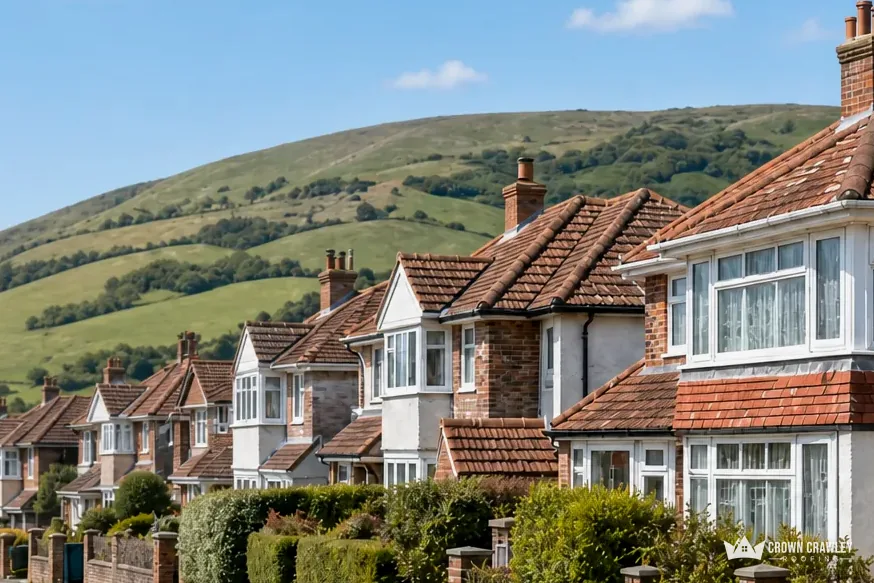
Part of Balcombe was designated a conservation area in 1984, and the council's own list of features reads like a roofer's checklist.
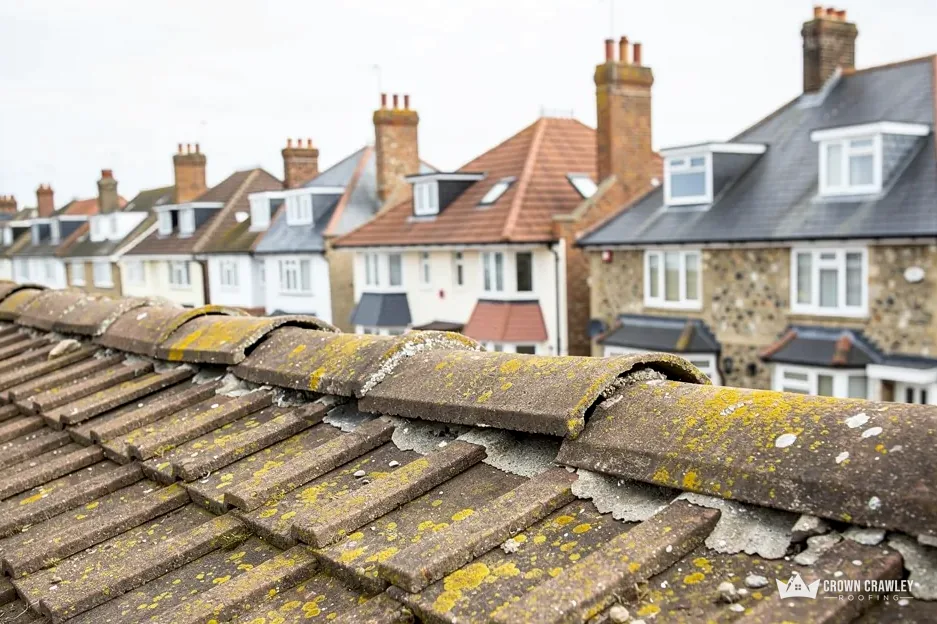
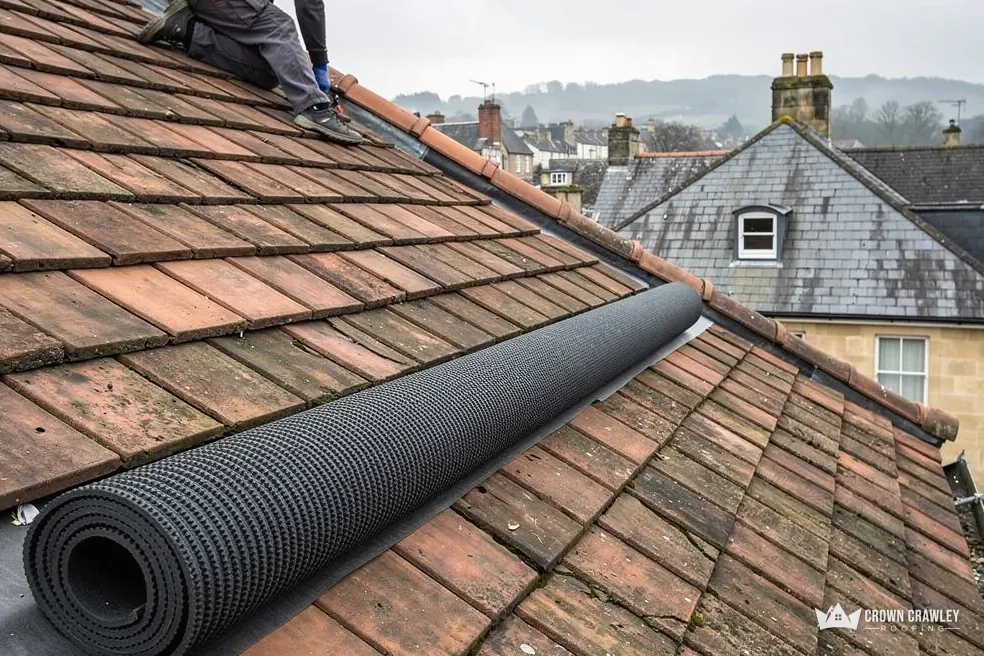
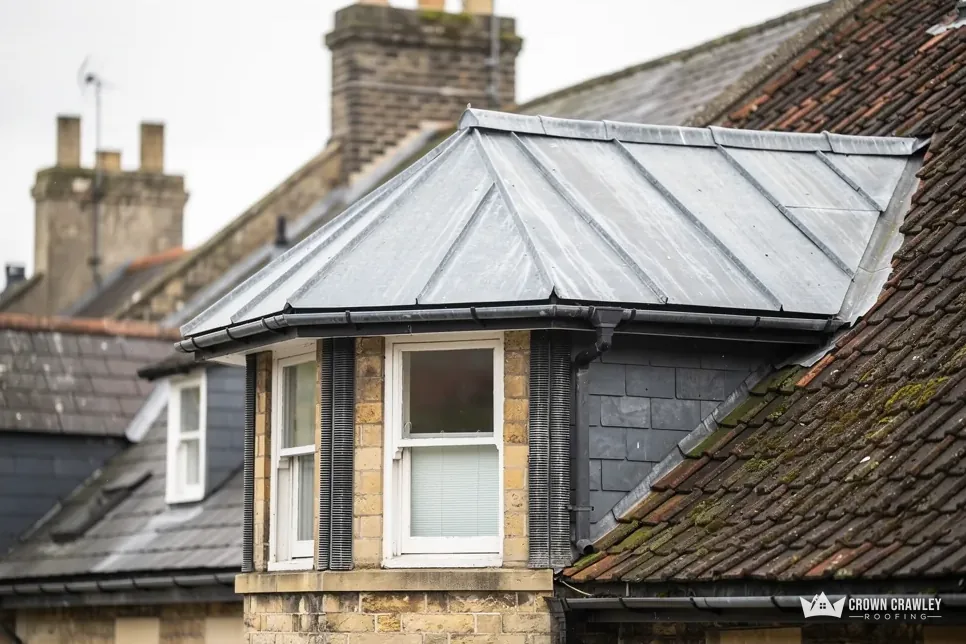
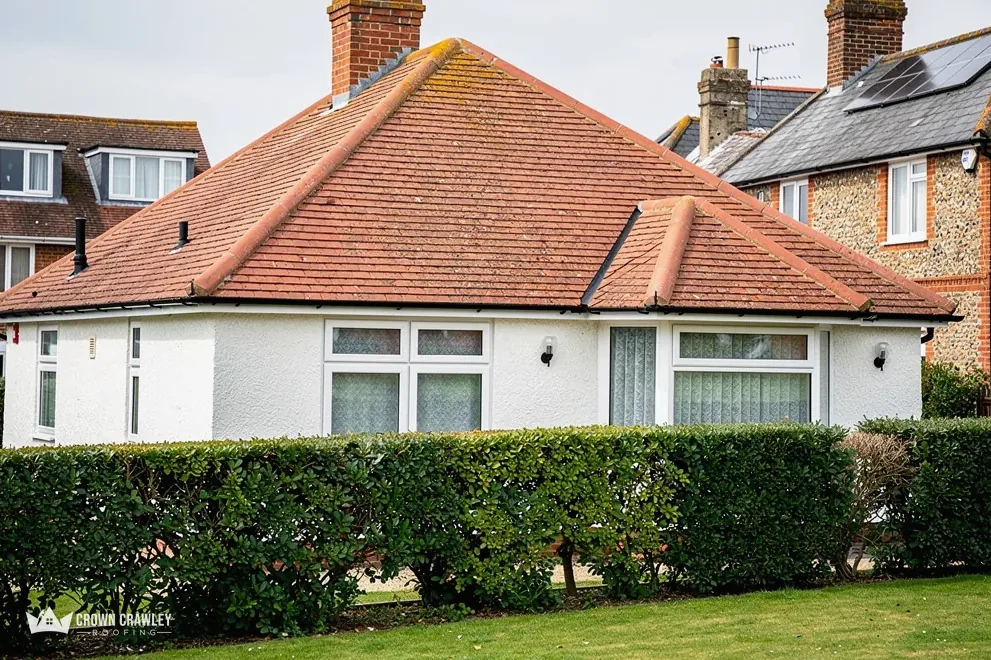
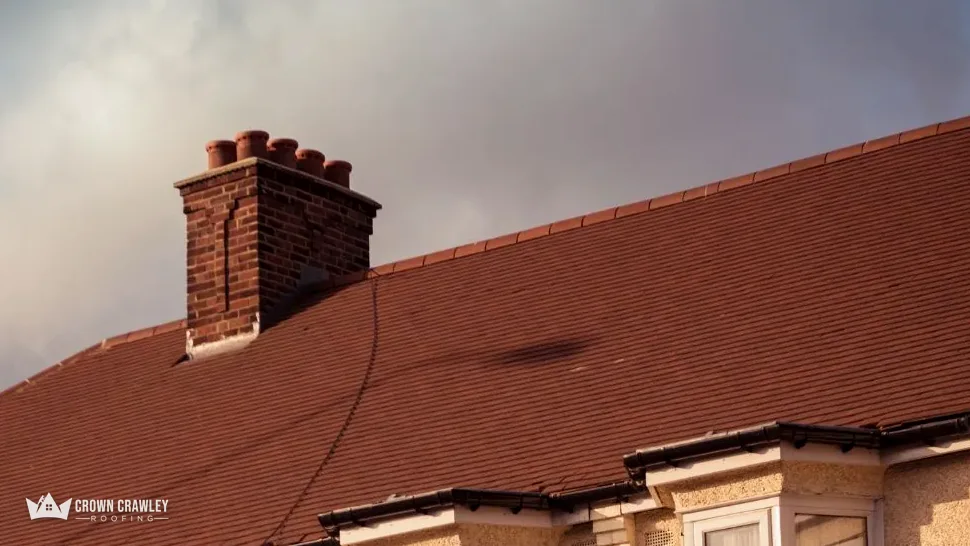
Part of the village was designated a conservation area in 1984, centred on the village crossroads, and the boundary was extended in March 1990. Mid Sussex District Council lists natural and traditional building materials including clay roofing tiles and local stock brick, and ornamental barge-boarding on some London Road properties, among the features that give the area its character. Three of those items sit right on a roof: the clay, the brick of the chimney stacks and gable walls, and the board along the edge of the gable.
What does a barge-board repair involve?
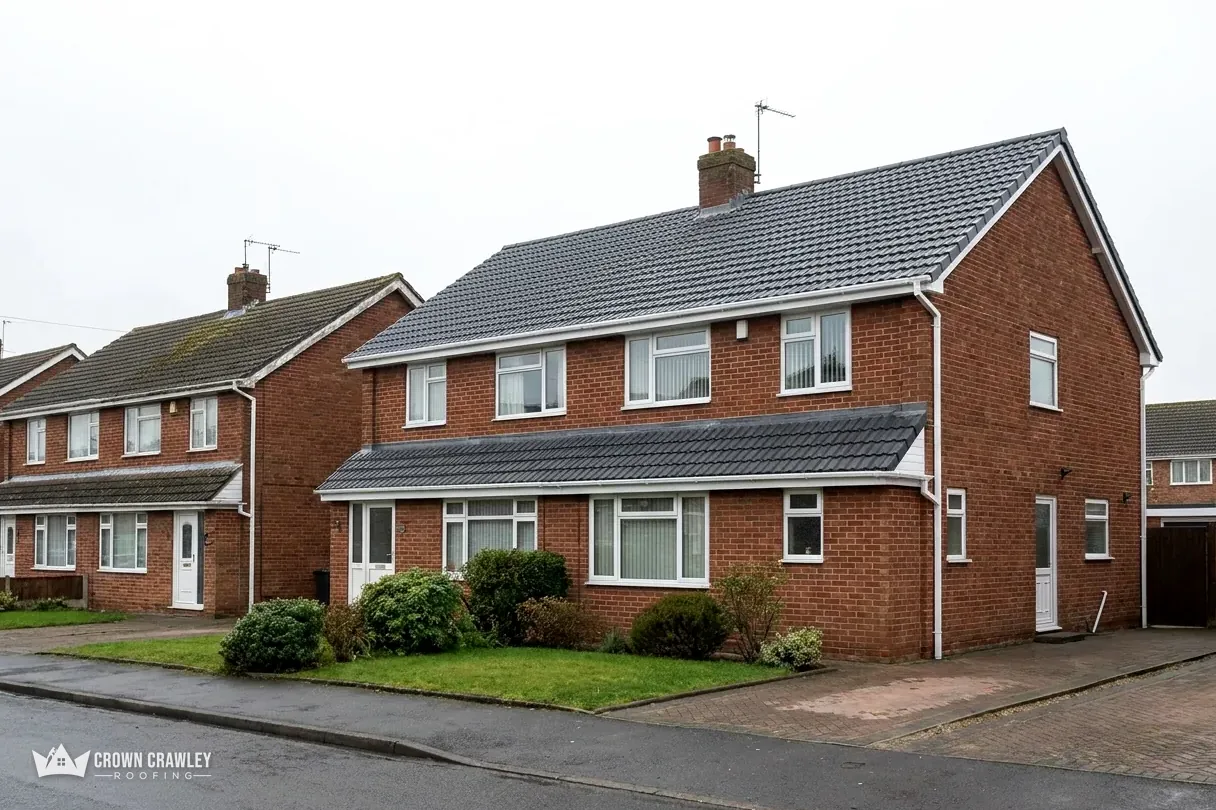
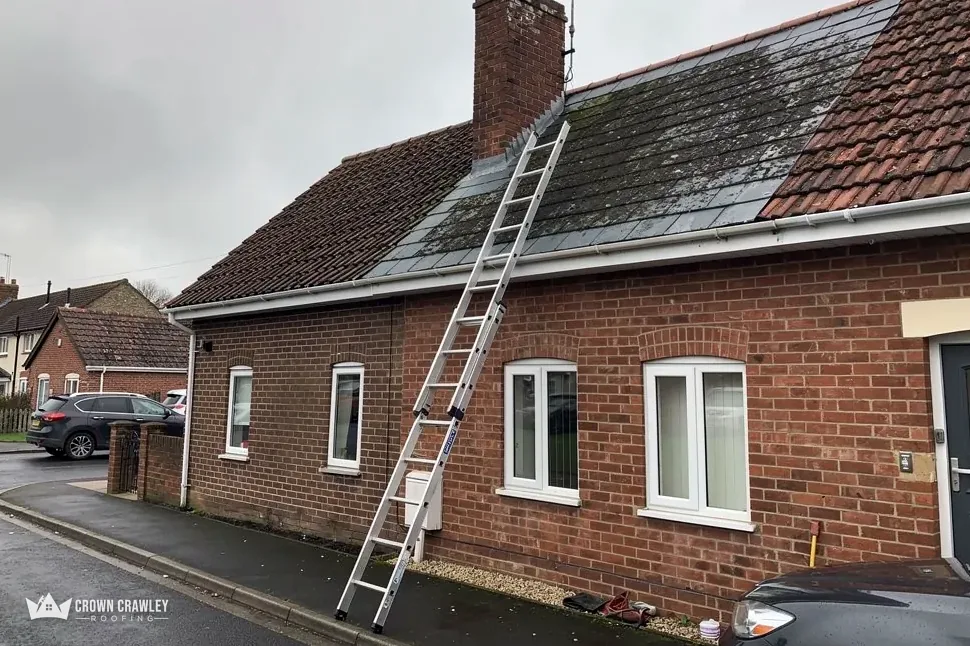
A barge-board runs along the sloping end of a gabled roof, the line we call the verge, and it hides the ends of the roof timbers behind it. On London Road, the council says some of these boards are ornamental, so they are worth keeping. Rain and sun work on them from the top and the front, and a board that has softened at the lower end can let water into the roof timbers behind it. We check the board with a probe, look at the tiles that sit above it, and repair or replace like for like where we can. Our dry ridge and dry verge page covers the modern alternative to mortar at a verge, which is something to ask about only after the council has told you what it expects.
Terms on a Balcombe gable
- Barge-board
- Board fixed along a gable edge
- Verge
- Sloping end edge of a gabled roof
- Stock brick
- Local brick laid in the walls
- Eaves
- Lower edge where the roof meets the wall