Roofers in Worcester Park

Roofs on the old ground of Nonsuch Great Park.

Worcester Park takes its name from Nonsuch's Great Park, and its houses grew up around the railway from 1859. We establish what is really on your roof before putting a figure on it.

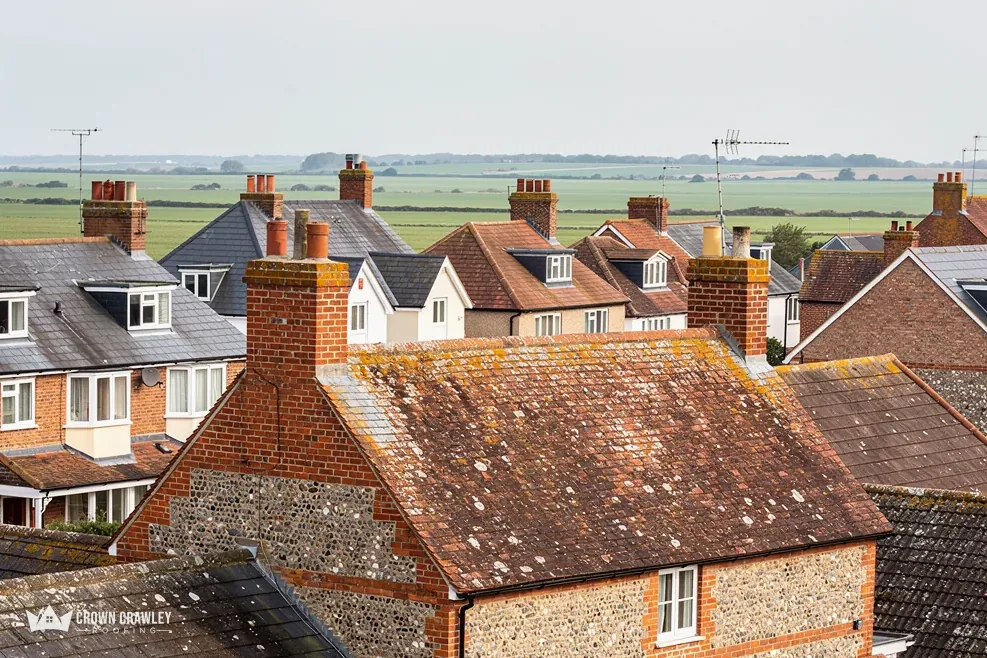
Flint-walled house with a mossy clay tiled roof overlooking fields

What tops the houses of Worcester Park

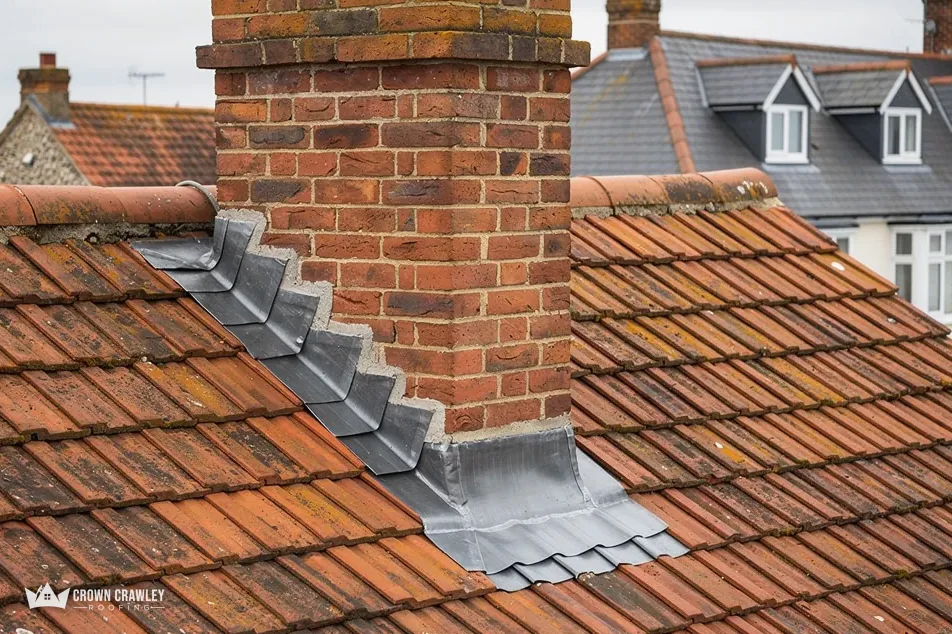
Stepped lead flashing around a brick chimney on a red tiled roof

Ground of the Great Park

Worcester Park is named after the Great Park of Nonsuch Palace, whose keeper from 1 December 1606 was the Earl of Worcester. Each house here is surveyed on its own merits, whatever the history under it.

Suburban houses with tiled roofs

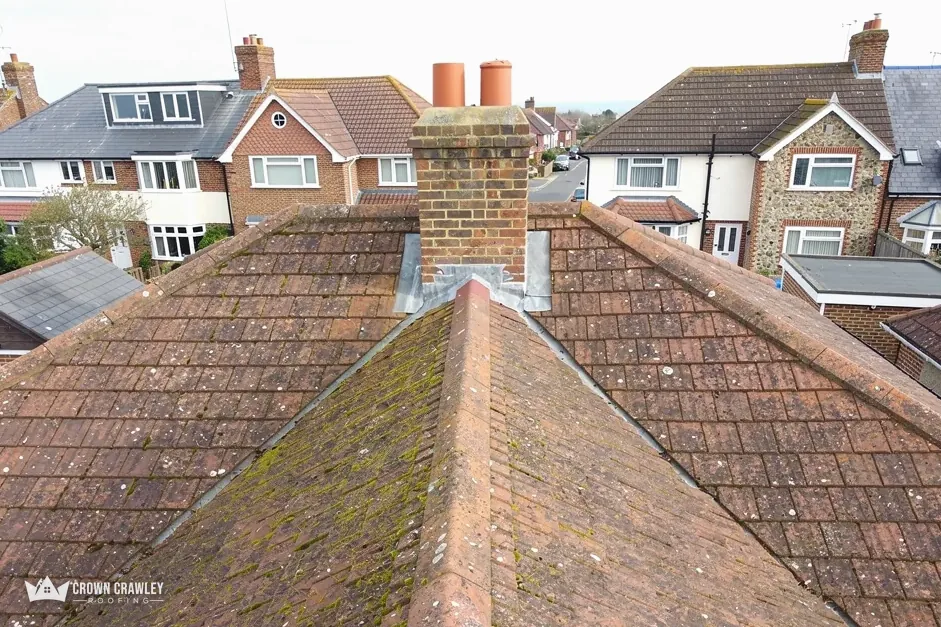
Hipped tiled roof with a chimney at the ridge

Houses that followed the railway

Worcester Park station opened in 1859, and houses grew up nearby as the railways extended. Homes built in stages carry roofs of different ages, so we check each roof, not the street.

Rows of homes with pitched roofs

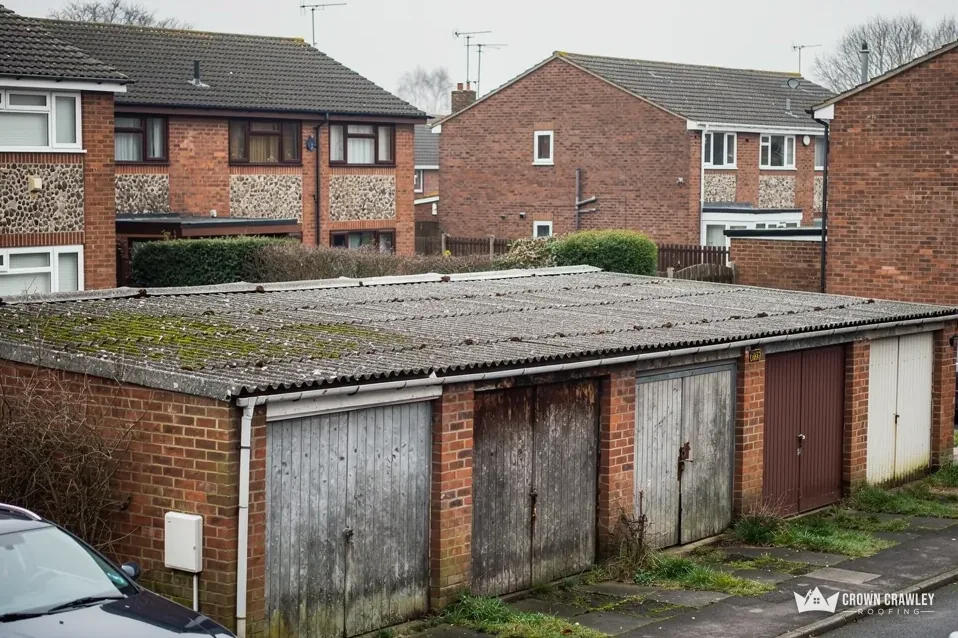
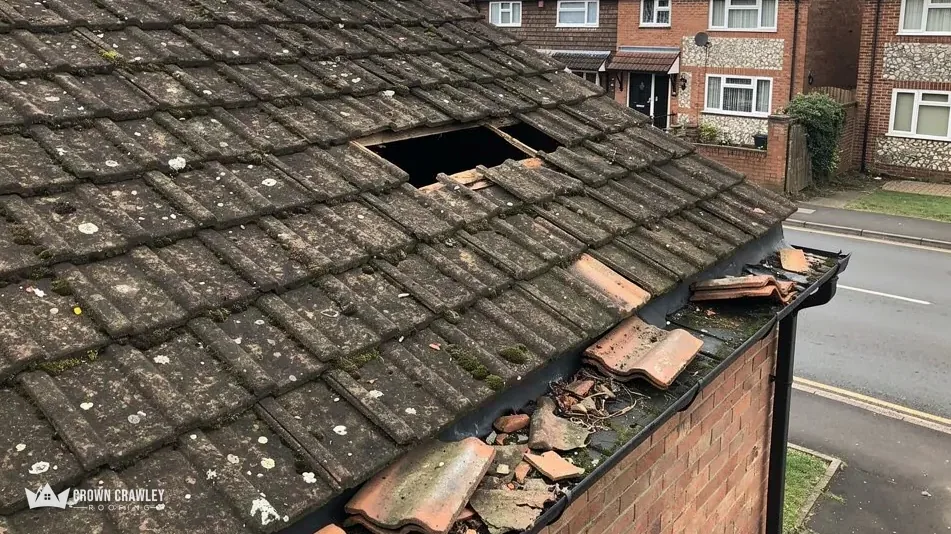
Row of old brick garages with a mossy corrugated roof

The Grade II war memorial

Worcester Park War Memorial was listed Grade II in April 2017. Whether your house is listed is shown by its own entry on the national register, not by its neighbours or by this memorial.

Houses along a suburban road

Worcester Park, north of Ewell

Map of Worcester Park and the neighbourhoods around it, with Crawley for reference.

Worcester Park is a suburb north of Ewell on the site of the Great Park of Nonsuch, in the old parish of Cuddington.

Distance
25.3 road miles from Crawley, to the north
Drive
About 41 minutes
Council
London Borough of Sutton (London borough; Greater London Authority above)
Planning authority
London Borough of Sutton
Get a free quote

Worcester Park roof log

A suburb that filled in over time

Chapters on the Nonsuch ground, the railway-era growth that followed it, and the Sutton rules and scaffold points that arrive with a bigger job.

Stage 01 · First look

Nonsuch Park and a suburb's name

The name comes from a royal park, but the roofs belong to later houses, and each is read for what it is.

The name Worcester Park carries a royal story. The Victoria County History, in its 1911 Surrey volume, records that Henry the Eighth swept away the whole village of Cuddington, with its mansion and church, to make room for Nonsuch Palace and its two parks. The Great Park later gave the suburb its name, because the Earl of Worcester was appointed its keeper on 1 December 1606. Houses came much later than any of that, so the oldest thing about a Worcester Park roof is rarely the ground beneath it.

Signs we look for in Worcester Park

Covering
Tiles or slates, and any patching
Timber
Battens and rafters dry and firm
Underlay
Felt or membrane, whole at the eaves
Ridge and hips
Fixed, bedded and unbroken
Loft
Air moving, no damp patches
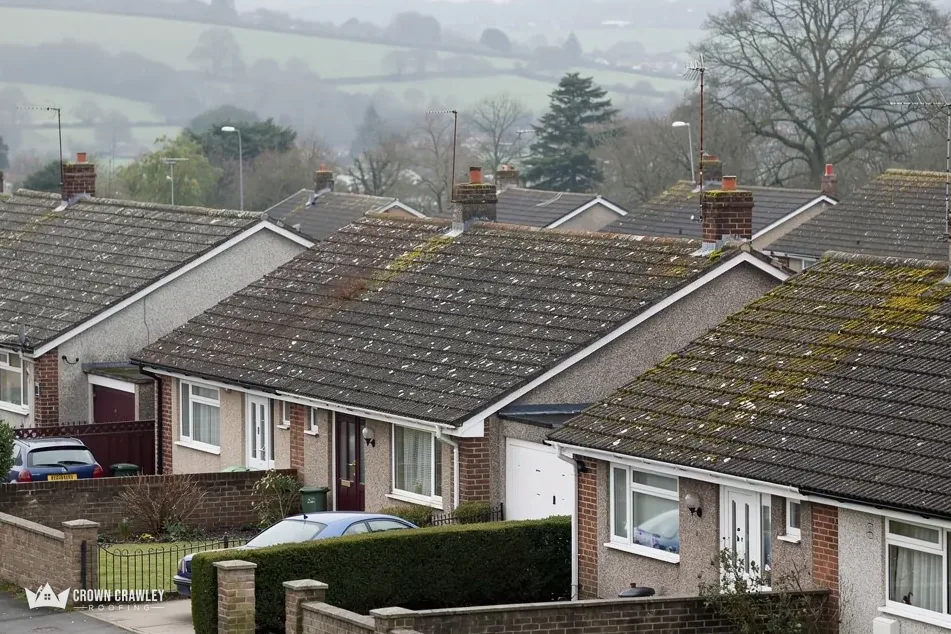
Terraced bungalows with grey tiled roofs along a cul-de-sac

How do we learn the age of a roof we have not seen?

We do not guess from the postcode. At the survey we read the clues: the profile and weight of the tile, the type of nail, whether the underlay is old bitumen felt or a modern breathable sheet, how the battens are cut and spaced, and whether any slopes have been re-covered in a different material. We describe what we find rather than putting a date on it, and the photos that come back to you show your roof alone, each with a note. We also note the clues that a view from the ground hides: a stain on a chimney breast, ridge tiles that sit proud against the sky, moss lines that hold water, and a gutter that overflows at one corner. Each points to a cause we then look for on the roof itself.

What do old and new layers tell us?

That a roof has had a life. A newer covering can sit on older timber wherever a house has been worked on, and that matters because tiles can outlast the battens beneath them. Marley gives concrete tiles around 60 years but stresses that no promise sits behind the figure. Where felt of the older, non-breathable kind lies beneath, BS 5250 wants the eaves left open to airflow, and insulation laid hard into them can choke it. We check that gap in the loft, because damp that condenses on cold timber rots it slowly and quietly.

Keep reading

If the survey finds a few slipped or cracked tiles, the answer is a repair, and the report says as much. If it finds a covering at the end of its life, we explain that, with photos. Our pitched roofing page describes both routes. The price follows what the roof needs, and it arrives as a single written total after the survey, not before it.

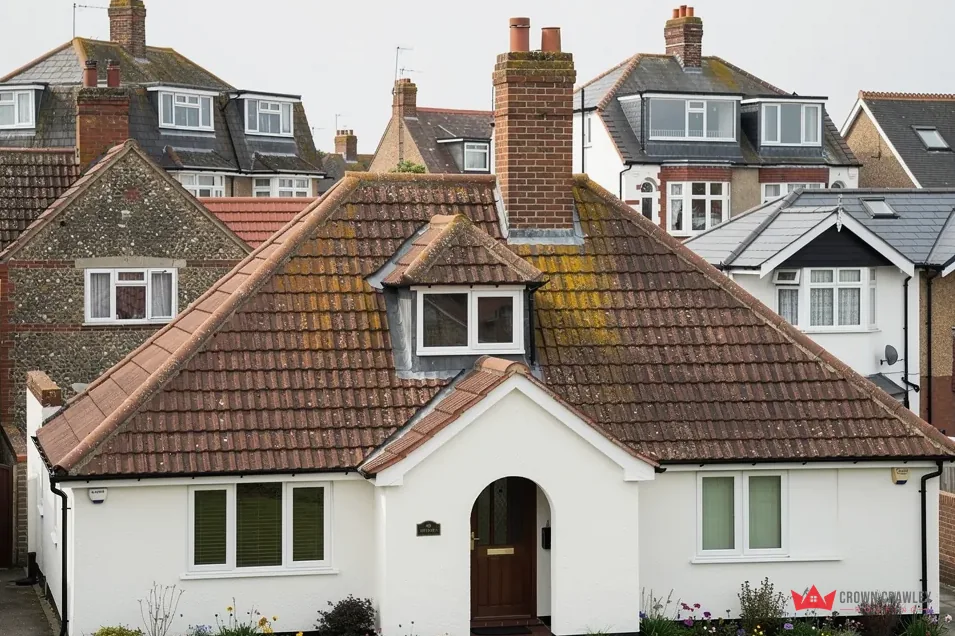
White rendered bungalow with a hipped tiled roof and dormer

Stage 02 · Growth

Houses that followed the railway

A suburb built as the railways spread was built in stages, and roofs on one road can differ more than front doors.

The Victoria County History notes that Worcester Park station opened in 1859 and that houses grew up nearby as the railways extended. In 1894 a church was built at Worcester Park and became the parish church. Read together, those dates describe a place that filled in over time, not one built to a single plan. For a roofer, the lesson is simple: you cannot tell what is on a house from the one next door.

Why do I need to know when my house was built?

Because date tells us where to look first. A house from one period may have a different eaves detail, a different ridge and a different layer under the tiles from one built a generation later. If you know the date, or have papers from a past sale or survey, send them. If you do not, the survey works it out from the roof itself, and we are happy to say plainly that we cannot be sure.

What do extensions and garage roofs need?

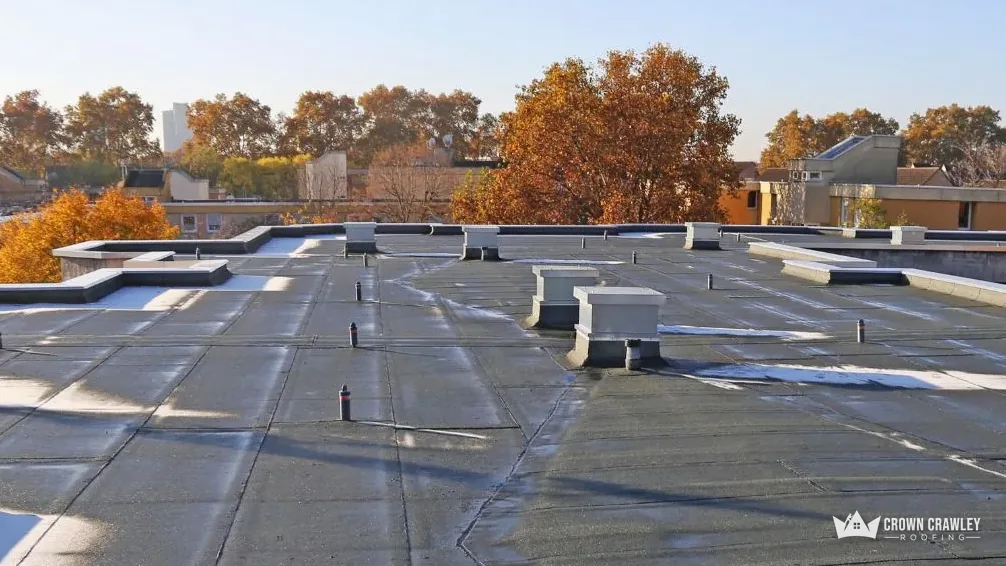
Many houses grown in stages have a flat section somewhere: a rear extension, a porch, a garage or a dormer. Published ranges for flat coverings run wide, with GRP given as 25 to 40 years and torch-on felt as 10 to 20 years by one national guide dated March 2026, and EPDM as 20 to 30 years by GreenSpec. Water needs somewhere to go, and BS 6229:2025 keeps a minimum finished fall of 1:80, so a flat roof that ponds after rain is worth a look. Our flat roofing page covers repair and renewal of flat sections.

At the eaves of any of these roofs, the fascia, soffit and gutter work together. A sagging gutter holds water against the board, and a board that has stayed wet will soften. We check the whole line from the ground and again from the ladder. Where the gutters themselves are failing, our gutters, soffits and fascias page sets out the repair and renewal options, with the same single written total at the end.

Roofline words you will hear

Fascia
Board along the eaves holding the gutter
Soffit
Board closing the gap under the eaves
Barge board
Board that finishes a gable roof edge
Downpipe
Pipe carrying gutter water to the drain

Where an extension or loft conversion meets the original roof, the joint between the two is a likely place for a leak, because it was formed later than the rest. We look at the lead or membrane bridging the join and at the fixings along its edge, and the report shows the join so you can see it for yourself.

Stage 03 · Permissions

Sutton's rules, scaffold and nesting birds

Worcester Park falls under the London Borough of Sutton, which holds the planning and building control questions that come with a bigger job.

Sutton is a London borough, so the council answers for planning and its own pages cover building control applications, while the Greater London Authority sits above it. Kingston's Old Malden Conservation Area sits under a kilometre from Worcester Park, across the borough line, so a house on that side is worth checking; on an unlisted house outside any boundary, matching tiles going back raise no heritage test. A larger project, such as an extension, a dormer or new roof windows, falls under different rules, and our post on flat roof extension planning permission is the place to start before you contact the council.

The Planning Portal expects no building control application when less than 25 per cent of the building envelope and less than 50 per cent of the roof is affected. Separate approval applies to a covering that raises the weight by 15 per cent or more, or one that would not match the old covering in a fire, and for weight the Portal advises a surveyor's view before anything heavier goes on. If your job might reach those lines, ask Sutton before you commit, and the quote tells you when we think it will. If the survey puts a job near those lines, we wait for the council's reply before ordering materials, so a delay never leaves you paying for stock that sits unused.

What Sutton and the highway authority decide

Planning
London Borough of Sutton
Building control
Sutton's own council pages
Heritage
Old Malden area nearby
Scaffold on road
Highway licence; ask who applies
Own ground
Outside the highway licence
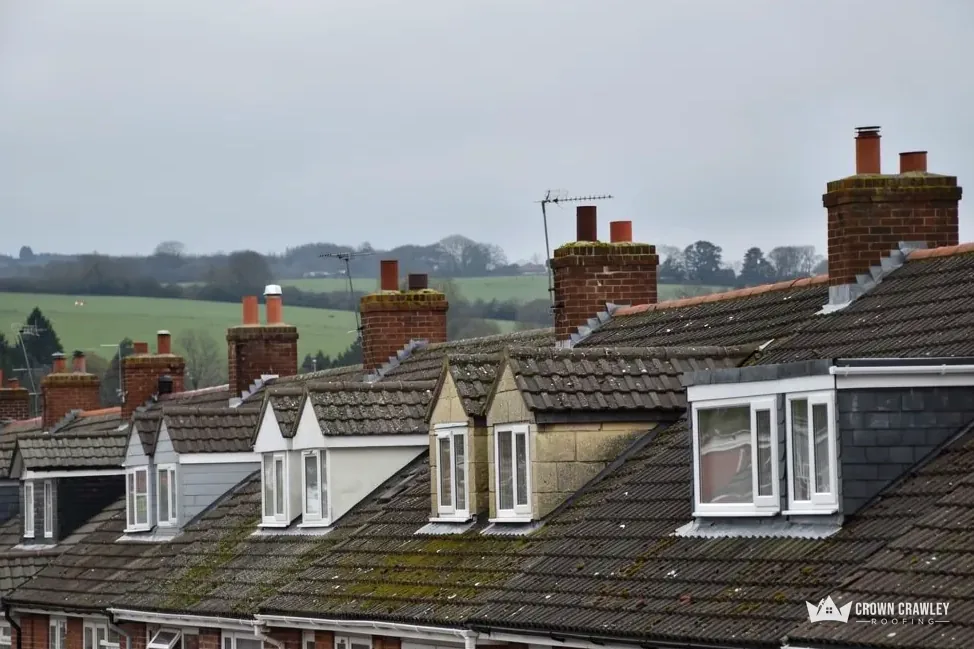
Dormer windows on a weathered tiled roof facing open fields

Who deals with the scaffold licence in Sutton?

Section 169 of the Highways Act 1980 requires a highway authority licence for scaffolding that obstructs the highway, which includes the pavement. Sutton's fee and lead time are for the council to confirm, so we check with the council and the scaffolder who files the application and what notice is needed, and give you a start date only once both have answered. Ground that belongs to you lies outside the highway, so scaffold standing wholly on it needs no such licence.

Nests in the eaves: what happens next?

The Wildlife and Countryside Act 1981 protects a nest while it is occupied or under construction, and deliberately damaging or destroying it is an offence. If the survey turns one up, we leave it alone and tell you, and the work at that spot waits until the nest is finished with. To begin, send a snap of the roof edge or gutter line that concerns you, with your postcode, by text or email, and a visit gets booked. On the day, we agree access with you, tell the neighbours when the scaffold goes up, keep the site tidy and take our waste away.

Before you book in Worcester Park

Why do roofs on one Worcester Park road differ in age?

Houses here went up in stages as the railways extended after the station opened in 1859, and roofs get re-covered at different times, so next-door roofs can differ widely. That is why each house gets its own survey rather than a street being treated alike, and why your photos show what we found on yours.

Will Sutton ask about a matching-tile re-roof in Worcester Park?

Often not for planning, because section 55 of the Town and Country Planning Act 1990 puts work that leaves the outside looking essentially the same outside the meaning of development. Building control is its own test, with the Planning Portal's line at 25 per cent of the building envelope and 50 per cent of the roof. If you are unsure, ask Sutton, and we wait for its reply.

Who arranges a scaffold licence in Worcester Park?

A licence concerns only scaffold standing on the highway, and a repair at the back of the house may not involve one. Sutton settles its own fee and lead time, so we confirm the applicant and the notice period with the council and scaffolder before fixing a start date. Scaffold kept wholly on private ground needs none, which we check at the survey.

What do you do if birds are nesting in my Worcester Park eaves?

We stop work on that stretch and tell you. The Wildlife and Countryside Act 1981 covers any wild bird's nest while it is being built or used, so the repair there waits, and we use the time to price the rest of the roof. We carry on elsewhere where it is safe to, and agree with you when to go back to that spot.

Book a Worcester Park survey

Text us your postcode with a photo of the sagging gutter, flat section or slope that bothers you, and a visit gets arranged.

01293 974253

10-year workmanship guarantee, in writing.

Call Get a free quote