Roofers in Warlingham

Roofs on the downs above the Caterham Valley.

Warlingham's church dates from about 1240 and its vicarage from the late 17th century. We study old tiled roofs closely, send photos of your own, and follow with a written price covering everything.

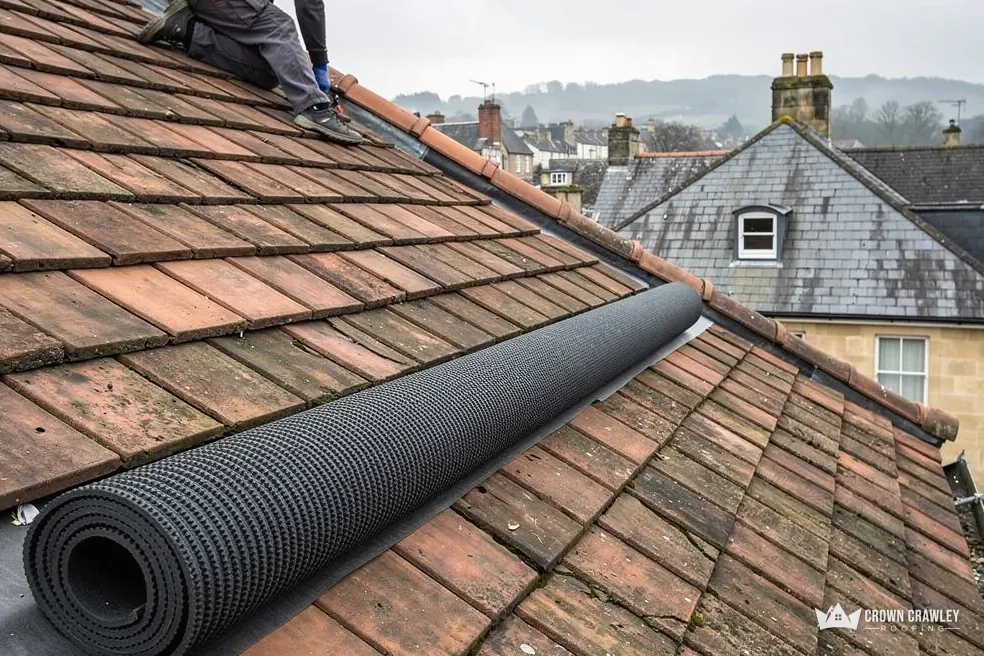
Roll of roofing membrane lying on a clay tiled roof

The roofs that shape Warlingham

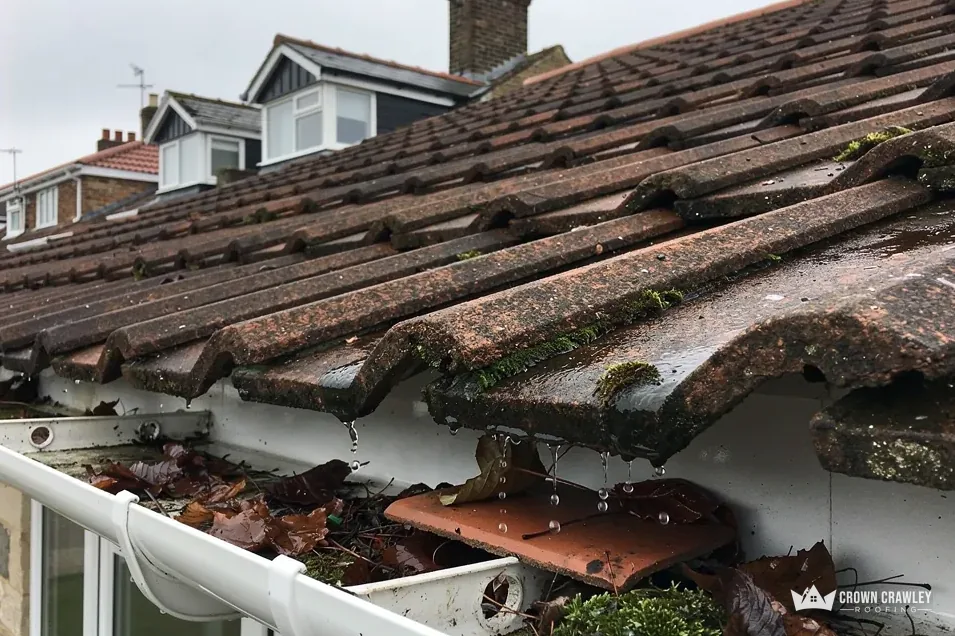
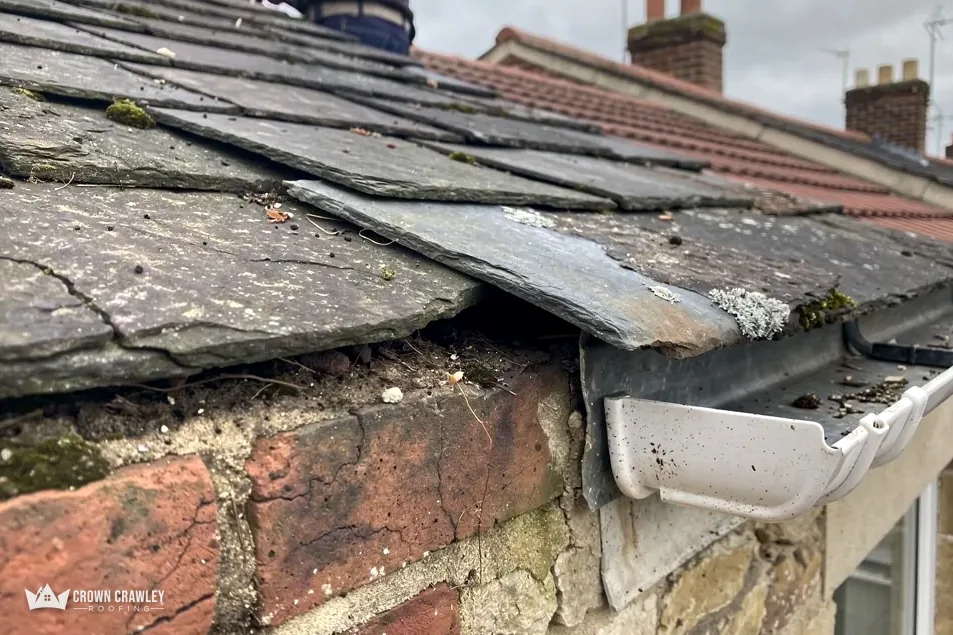
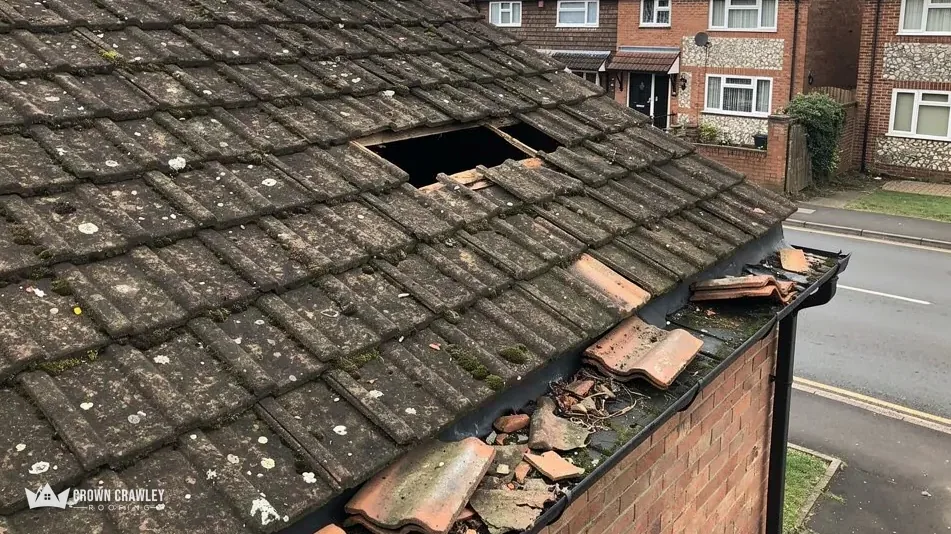
Slipped tiles lying in a blocked gutter

All Saints, tiled in 1912

The county history recorded the roofs of All Saints church as tiled in 1912. The church dates from about 1240 and stayed under one roof until 1893. Church roofs follow their own consent route, which we explain.

Tiled church roof and tower

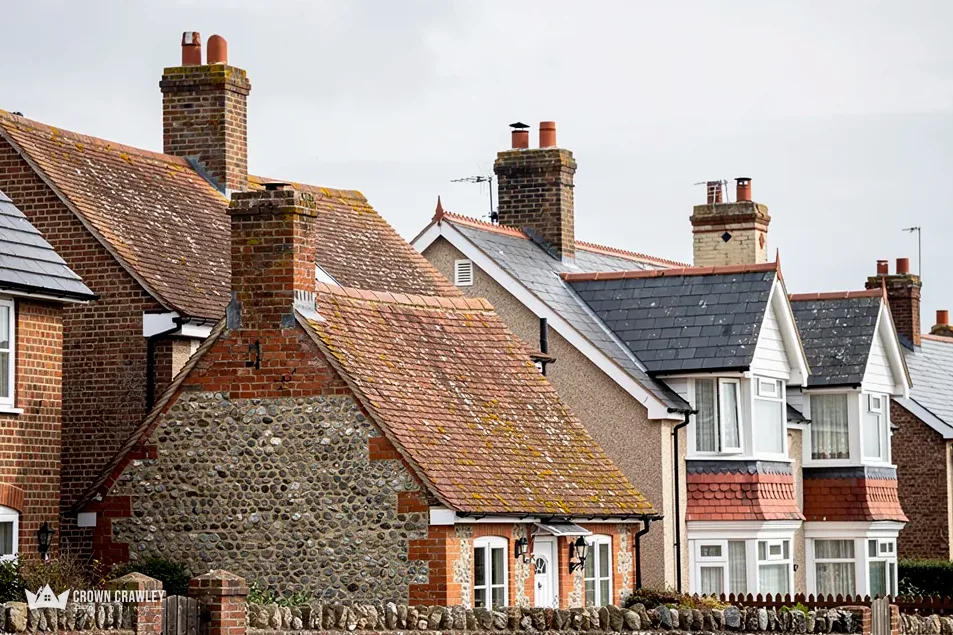
Flint and brick houses with clay tiled roofs and chimneys

A late 17th-century red brick vicarage

The vicarage facing the common is a late 17th-century red brick house with a tiled roof, listed Grade II*. A brick house under old tiles is a roof we read slowly, from eaves to ridge.

Red brick house with tiled roof

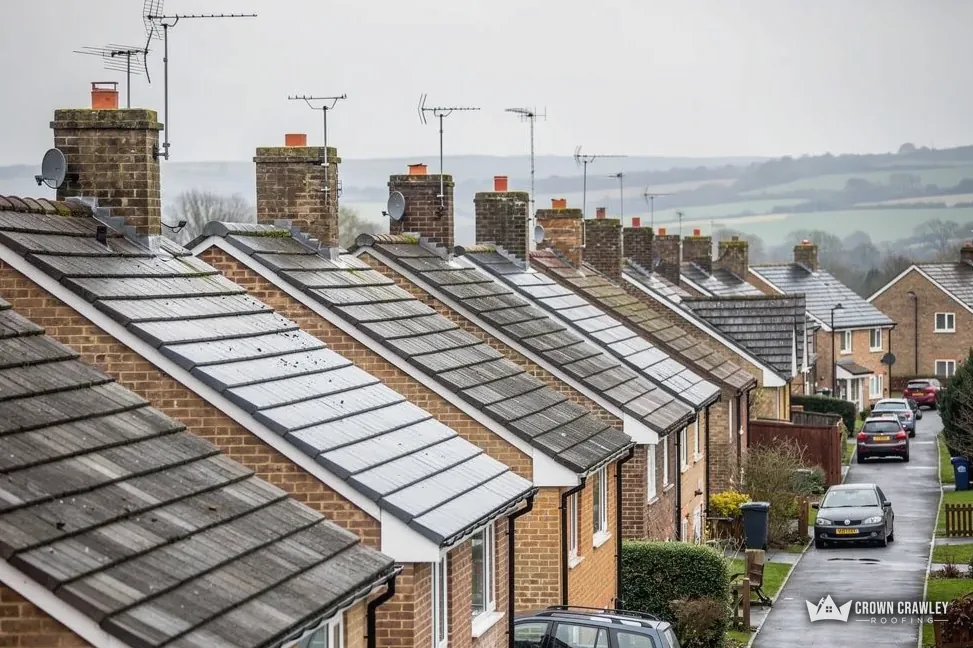
Terraced street with new grey tiled roofs

Leas Road, numbers 23 to 31

Numbers 23 to 31 Leas Road share one Grade II listing. With five numbers under one entry, a change to one roof can affect how the whole row reads, so we photograph the run as well as your own roof.

Row of houses with tiled roofs

Warlingham, on the downs east of the valley

Map of Warlingham and the neighbourhoods around it, with Crawley for reference.

Warlingham is a village on the downs east of the Caterham Valley, 4.5 miles south-east of Croydon, on chalk capped with gravel and clay.

Distance
19.5 road miles from Crawley, to the north-east
Drive
About 26 minutes
Council
Tandridge District Council and Surrey County Council
Planning authority
Tandridge District Council
Built-up area population
8,917 (Census 2021)
All Saints church
Grade II*, listed 21 September 1954
Get a free quote

Warlingham in three stages

Old tiles, brick and church roofs on Warlingham's downs

Three short chapters on church roofs and their consent route, old brick under tile, and what Tandridge and Surrey ask before a larger job begins.

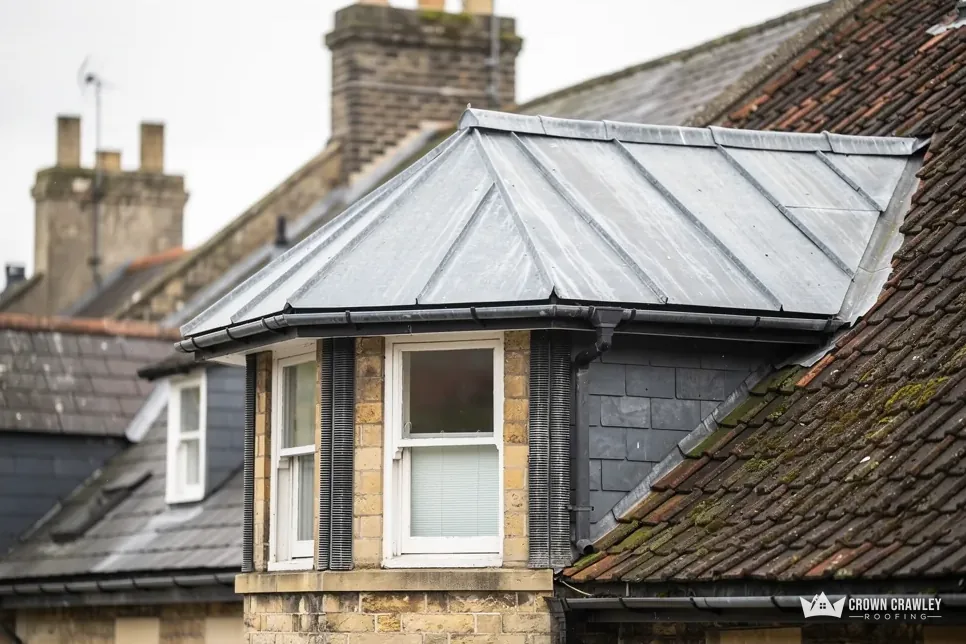
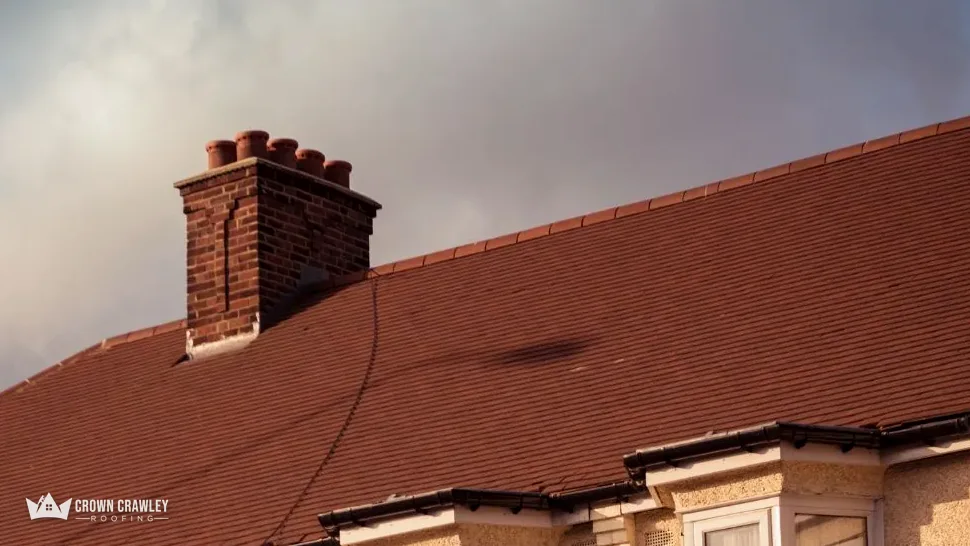
Lead-covered bay roof and chimney stack on a slate and tile roof

Stage 01 · Church roofs

Church roofs and the faculty route

Warlingham's All Saints is still used for Anglican worship, so roof works follow the denomination's consent system rather than the council's.

All Saints is the oldest Warlingham building the county history describes in detail. In the Victoria County History's account the old parts are field flints with dressings of local green firestone, the date is about 1240, and the church stayed small and aisleless under a single roof until 1893. By 1912 its roofs were tiled. Its Grade II* entry on the national list dates from 21 September 1954.

Does a church roof need listed building consent?

Not in the usual way. Section 60 of the Listed Buildings Act says listed building controls shall not apply to any ecclesiastical building which is for the time being used for ecclesiastical purposes. Warlingham's parish church is mapped as a working Anglican church, so repairs to its tiled roofs fall to a faculty from the diocese. Government guidance adds a caution: planning permission may still be wanted where development changes a listed place of worship's exterior. A roof job on a church like this can therefore involve two routes, and Tandridge District Council's planners can explain the second.

What helps a parish when a church roof needs attention?

Evidence. A faculty application reads better with clear photographs of each defect, a plain description of the work and a written price. For anyone helping to look after the church, we can provide photographs from the survey along with a short note on the slopes, gutters and lead. Our pitched roofing page explains the tile repairs we make.

The same habits suit any older Warlingham roof. Tile profile and colour are recorded, the finish at the ridge and verge is noted, and the timbers are checked from the loft with a torch, not just from the ground. Where tiles have been replaced in different decades, the roof shows it in uneven colour and thickness, and the survey makes that visible. You are told what the existing roof is made of before you are told what to do with it.

Church consent terms

Faculty
The Church of England's own permission
Exemption
Church consent replaces listed building consent
Planning permission
Still needed for some exterior works
Listed building consent
Applies to listed buildings outside the church system

Where flint walls under the roof need a mason's attention before the roof can be finished, the survey says so, because a sound roof on a failing wall is money spent twice. Gutters, fascias and the flashing at any wall junction go into the same set of photographs, so that one document covers the whole edge of the roof. If a gutter bracket has pulled out or a fascia board has softened, that shows up here before it becomes a leak inside.

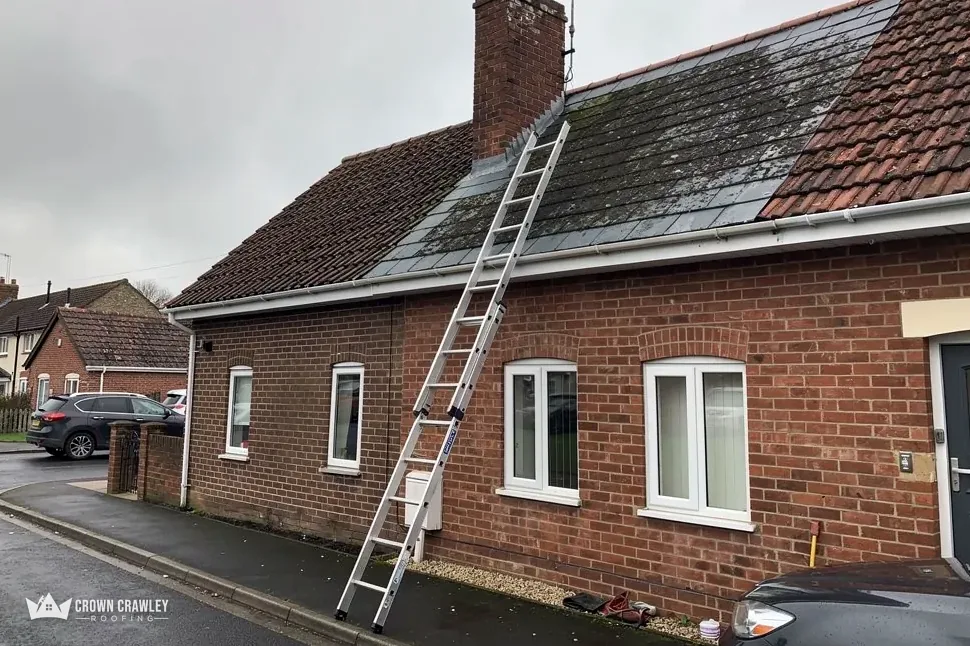
Brick bungalow with a ladder leaning against its tiled roof

Stage 02 · Old brick

Brick, tile and the Leas Road listing

A late 17th-century vicarage with cut-brick pilasters and a Grade II listing on Leas Road both reward a slow, close survey.

The vicarage facing the common is, in the 1912 words of the county history, a fine late 17th-century red brick house with a tiled roof and Doric pilasters of cut brick. The National Heritage List gives it Grade II*. Numbers 23 to 31 Leas Road are listed at Grade II. We do not know the roofs on those houses today, so we use them to explain how we approach any house of that age and type.

What is different about a roof on old red brick?

The brickwork carries its own details, and the roof has to meet them without damage. Cut-brick pilasters and cornices are delicate, and a scaffold tied carelessly to them can chip what cannot be replaced, so we plan access before anything is erected. The chimney stack is usually the most exposed part of the roof, and a failed joint or loose collar at the top lets water in. The pointing gets as much attention as the tiles, since the wall under a roof decides how long the roof stays put. Our chimney repairs page covers stack repairs from pointing to flashings.

Old brick and tile

Stack
Pointing, flaunching and flashings
Eaves
Brick detail and gutter joints
Tiles
Profile, wear and matching supply
Verge
Mortar or clips, and condition
Loft
Airflow and daylight at timbers

How is a roof in a listed run surveyed?

We photograph the neighbouring roof lines as well as your own, because the council reads a group of listed houses as a whole. A repair that puts back the existing tile, laid and fixed as before, is simple to explain. A change of colour or covering is the thing to raise with Tandridge District Council's planning team ahead of agreeing a price. The survey photos make that conversation shorter, because the officer can see the condition without a site visit.

Matching tiles matters on a house like this. Hand-made tiles vary in colour and thickness, and a new one pushed in among them stands out for years. Where sound tiles can be saved, they go back on the slope you see from the road, and the closest new match goes on the slope you do not. Both piles appear in the survey photographs before any price is agreed.

A roof on old brick is read from the cut-brick detail upwards.

One more local note. The county history records that the Bourne, the overflow of the springs that feed the Wandle, broke out near Bugshill Farm as recently as 1904 and 1910, running down the Caterham Valley to Croydon. Whatever the ground does, rainwater from a Warlingham roof has to go somewhere, which is a good reason to check gutters, downpipes and the ground where they discharge as part of any roof survey here.

Stage 03 · Permissions

Tandridge and Surrey rules for a Warlingham job

Planning questions go to Tandridge District Council, approvals to a three-council building control team, and scaffold on the road to Surrey County Council.

An ordinary repair seldom raises a conservation question, but Tandridge District Council can confirm whether a Warlingham address lies within a conservation area. Listed buildings and churches are the exceptions, as the first two chapters showed, and Tandridge's planners are the people to call when the roof belongs to an older or listed building. We bring the survey photographs to every such conversation, so each step can be checked against what is actually up there.

Do the Building Regulations apply to a Warlingham re-roof?

Under the Planning Portal's guide, building control approval is normally not needed when work affects less than 25 per cent of the building envelope and less than 50 per cent of the roof. Swapping to something heavier changes that: the Portal flags a rise of 15 per cent or more in what the roof covering weighs. Building control for Tandridge is the Southern Building Control Partnership, a team shared by Mole Valley, Reigate and Banstead and Tandridge councils. If a survey points to a big strip or a heavier covering, we speak to it before we agree dates, and we would rather ask early than be told to stop halfway.

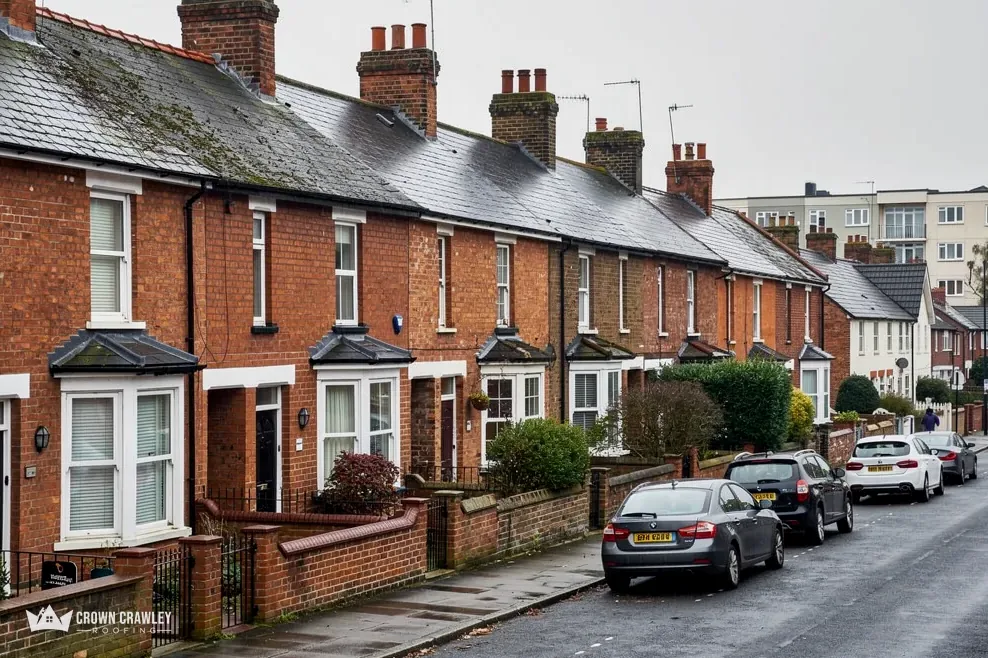
Victorian brick terrace with bay windows and parked cars

Terms on a larger job

Heavier covering
One that adds weight to the rafters
Highway licence
Required when scaffold occupies the pavement
Structural check
Rafters and purlins assessed before extra load

How do I deal with scaffold on a Warlingham road?

Scaffold on a road, pavement or highway needs a Surrey County Council licence. The fee is £208 for each 28 day period, and Surrey wants the form in at least 10 working days ahead of the first pole going up. If a Warlingham chimney is unsafe and cannot wait, Surrey takes emergency licence requests by phone. Together with the scaffolder we deal with the paperwork, and the survey measures whether your drive could take the frame instead.

Can I change my mind after signing a quote?

Sign for the work at your own kitchen table after the survey and the law treats it as an off-premises contract. Under the Consumer Contracts Regulations you then have 14 days, counted from the day the contract is made, to cancel without giving any reason. Should you want the work to begin inside that window, the request has to be made on a durable medium, an email for instance. Rights differ where you specifically asked for a visit to carry out urgent repairs. Our roof replacement page walks through planning and pricing a full new roof.

For a first look, give us your Warlingham postcode and the spot that troubles you.

Warlingham roofs: church, brick and tile

How is an old Warlingham roof on red brick surveyed?

We start at the eaves and finish at the ridge. The tile profile and wear, the battens seen from the loft, the chimney pointing, the flashings and the verge are each photographed. We also look at the brick detail near the roof, since the wall under a roof decides how long the roof stays put. You receive the photos with the written price.

Whose permission does a roof job on All Saints church need?

Mapped as an Anglican church in use, All Saints sits outside ordinary listed building consent and goes through the faculty system. Changes to the outside can still raise a planning question, so Tandridge District Council's planning team is worth asking. The parish can raise the faculty side with the diocese, and we supply photographs and a written price to go with it.

Can I cancel a roofing contract I signed at home?

Generally yes. A roof job agreed at your kitchen table is an off-premises deal, and you can usually cancel within 14 days of the day it was agreed, with no reason needed. To start work earlier you must ask for that on a durable medium, and an email works. Urgent repairs that you specifically asked us to visit for are treated differently.

Does scaffold for a Warlingham roof need a licence?

Only if it will stand on a road, pavement or highway. Surrey County Council charges £208 per 28 day period, wants 10 working days' notice and has a phone route for emergencies. We tell you which applies when we survey the access, and whether a frame can fit on your drive or garden instead.

Your Warlingham roof, surveyed eaves to ridge

Tell us your Warlingham postcode, what covers the roof and where it troubles you, and a survey is booked in.

01293 974253

10-year workmanship guarantee, in writing.

Call Get a free quote