Roofers in Caterham

Roofs in a valley town on the chalk downs south of Croydon.

Caterham runs along a valley on the downs, with a Grade I church and a listed High Street. We survey the tiles, gutters and lead first, then price in writing.

Rear of a brick detached house with a tiled roof and garden

What the record says about Caterham buildings

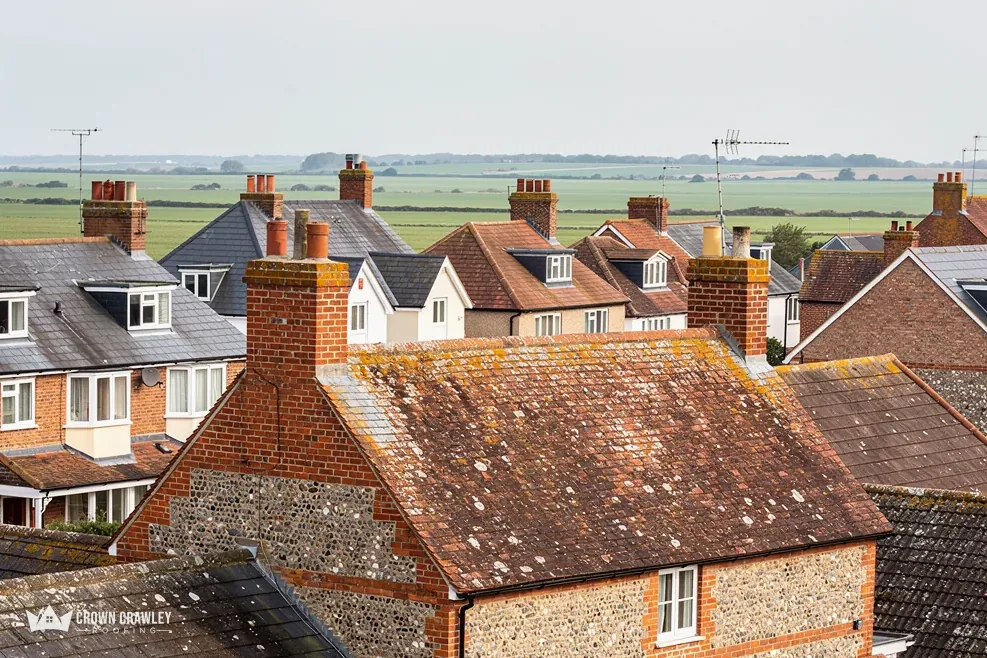
Flint-walled house with a mossy clay tiled roof overlooking fields

The flint church with tiled roofs

The Victoria County History describes the old church of St Lawrence as flint, Godstone stone and brick, with tiled roofs in 1912. Flint walls and a tiled roof meet at details that need patient hands.

Clay tiles above a flint wall

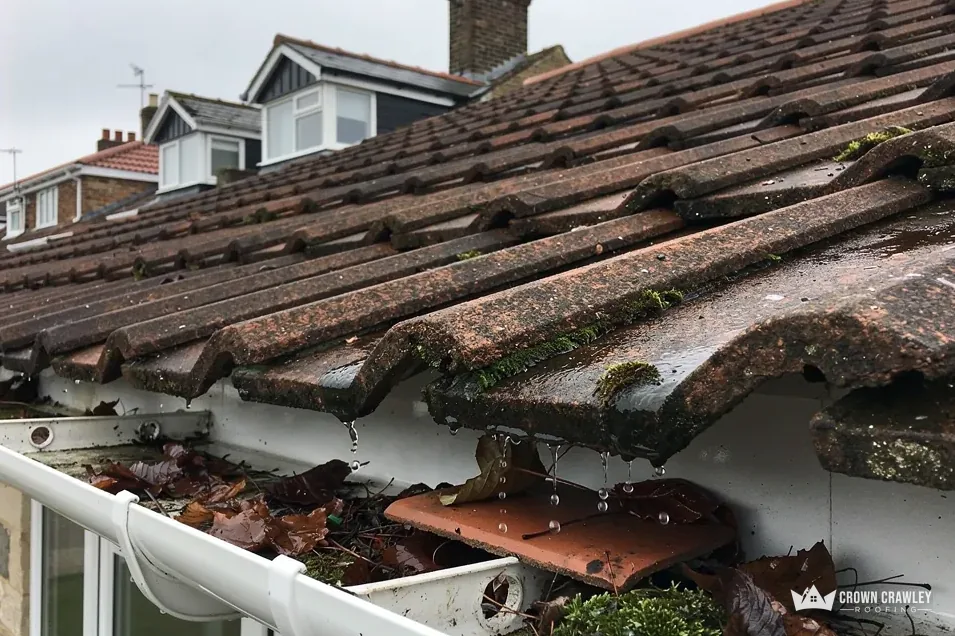
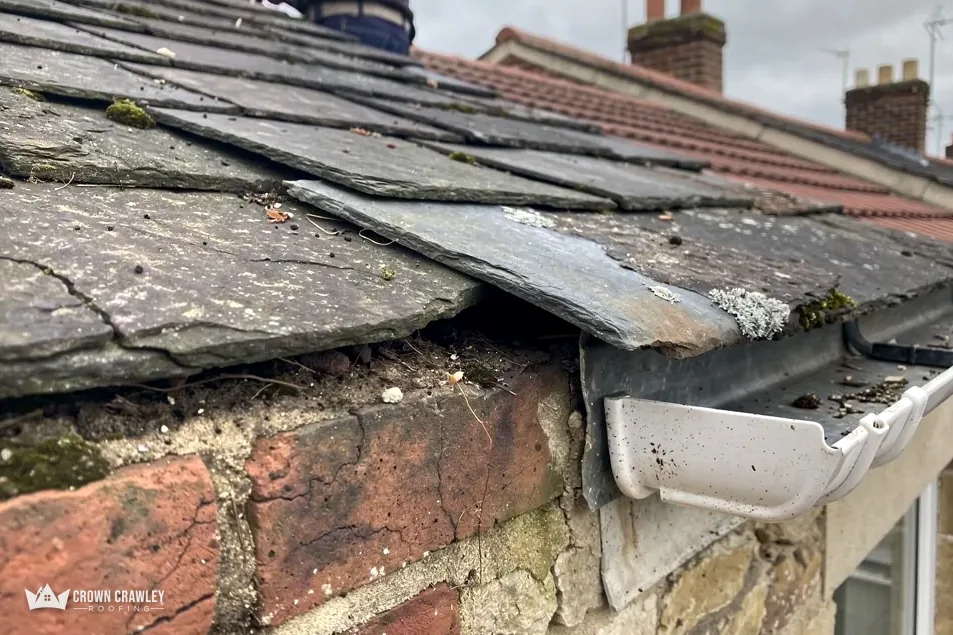
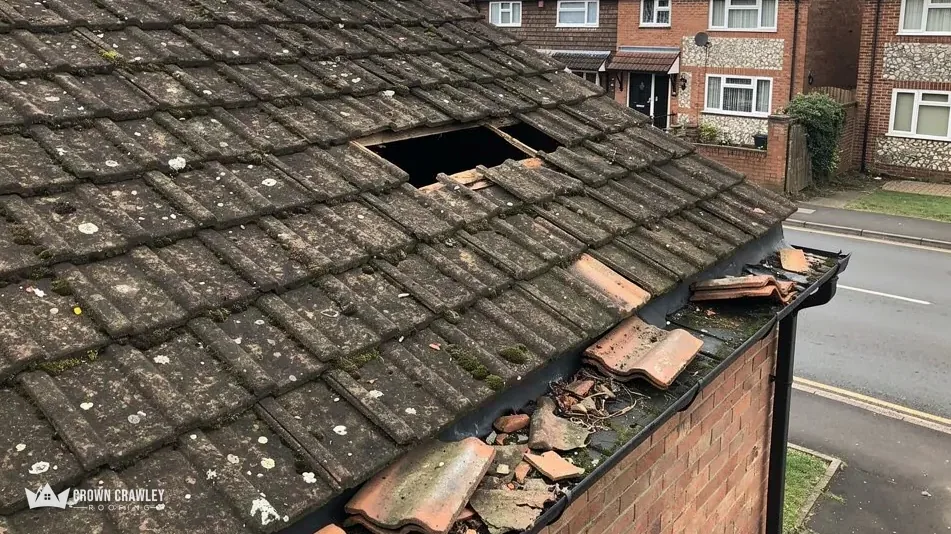
Slipped tiles lying in a blocked gutter

Houses along the valley floor

The town is spread along the Caterham Valley, and the history notes a winter bourne that broke out near it. We look hard at gutters, downpipes and eaves wherever a roof has to shed a lot of water.

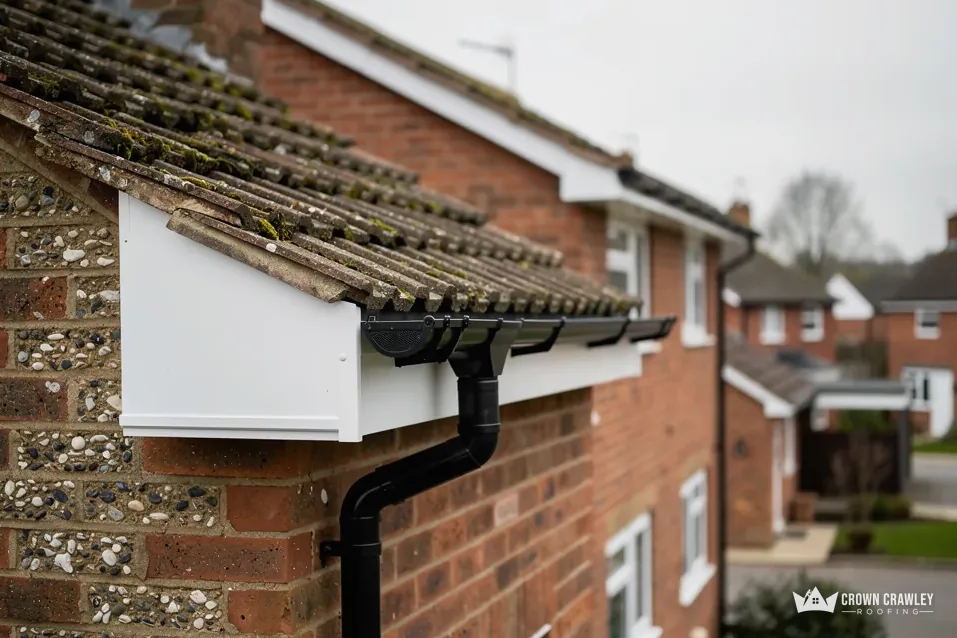
Roof edge with guttering

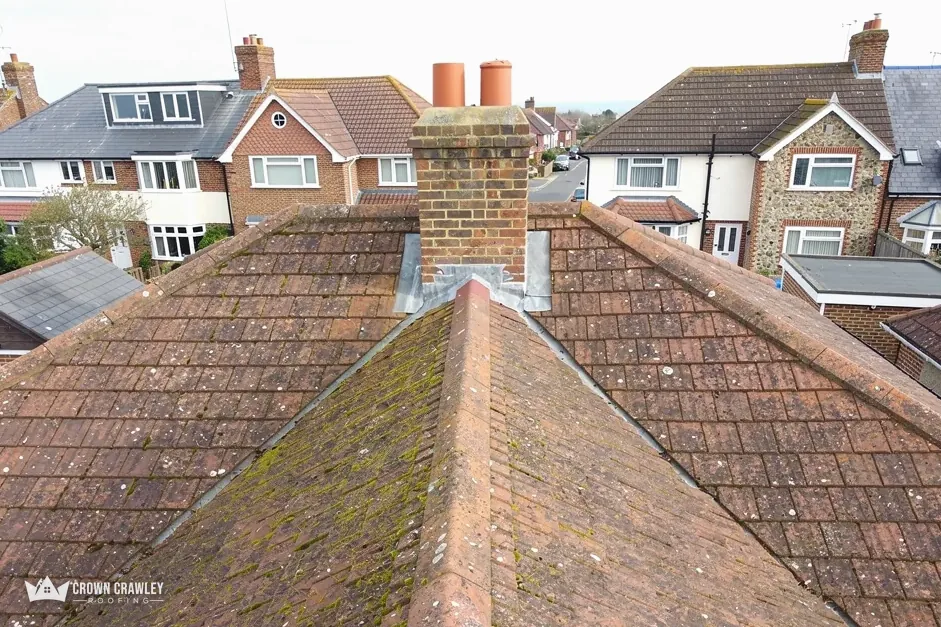
Hipped tiled roof with a chimney at the ridge

Listed buildings on the High Street

84 High Street is listed Grade II, and a Grade II bull vault stands near the church. A listed roof needs the right consent before we lift a tile, so we ask first and price second.

Old brick building with a tiled roof

Caterham, seven miles south of Croydon

Map of Caterham and the neighbourhoods around it, with Crawley for reference.

Caterham is a downland town seven miles south of Croydon, strung along the valley that carries its railway line up from Purley.

Distance
17.1 road miles from Crawley, to the north-east
Drive
About 22 minutes
Council
Tandridge District Council and Surrey County Council
Planning authority
Tandridge District Council
Population
22,747 (Census 2021, Caterham built-up area)
Building control
Southern Building Control Partnership
Get a free quote

Caterham roofing record

Reading a roof in the Caterham Valley

Three short chapters on valley water and gutters, the listed buildings around St Lawrence, and the approvals behind a larger Caterham re-roof.

Stage 01 · Setting

Valley water and Caterham gutters

A roof in a valley town must shed water cleanly, so the gutters get as much of our time as the tiles.

Caterham follows the Caterham Valley on the chalk downs, seven miles south of Croydon. The Victoria County History describes a winter bourne that breaks out near the town now and then: in 1904 and 1910 water ran across the surface from the top of the valley down to the Wandle near Croydon. A roof is a small version of the same problem. Rain lands on a wide area and has to leave through a few narrow routes.

What does a valley setting mean for a Caterham roof?

We do not read anything about your tiles from the geography. What the setting does tell us is that water management deserves a proper look. On a house that sits low in a valley, or below a sloping road, every gutter run, hopper and downpipe matters, because a roof that sheds water well is no use if the gutter beneath it backs up and soaks the eaves instead. So from the ladder we look first at the gutter falls, the joints, the outlets, the fascia behind them and the place where the underlay laps into the gutter. Brett Martin gives a fall of 1mm for every 600mm for a plastic gutter run, which is gentle enough that one sagging bracket shows up as standing water in the next dry spell.

At the eaves of a Caterham roof

Gutter fall
Gentle, even slope to the outlet
Joints
Sealed, with no weeping
Fascia
Sound wood where brackets bite
Underlay
Laps into the gutter, not behind
Downpipes
Clear and joined to the drain
New slate-effect roof on a bungalow with white fascias and guttering

How do we read a Caterham roof before we price it?

We start on the slopes: slipped or cracked tiles, gaps at the ridge, verge edges that have lost their mortar. Then we go into the loft, where daylight at a nail hole, a damp batten or a stained rafter foot says more than the outside does. Every finding goes to you as photos of your own roof, and the price is one total in writing once the survey is done. Our page on pitched roofing covers the tile, batten and underlay repairs that a survey like this can lead to.

Why do gutters get as much attention as tiles?

Because a blocked or leaking gutter produces the symptoms people blame on the roof: a damp patch under the eaves, green streaks down a wall, a soaked fascia board. Re-plastering a ceiling costs more than re-hanging a gutter, so we would rather find the real cause first. Where the boards and the gutters have both reached the end of their life, our gutters, soffits and fascias page explains how a roofline job runs from scaffold to the last downpipe.

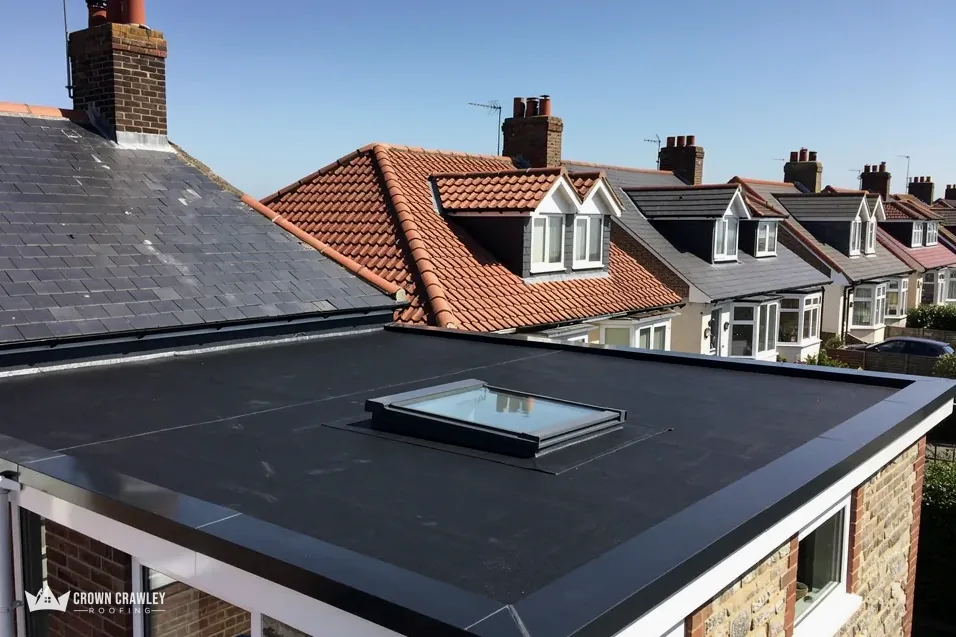
Black flat roof with a rooflight on a house extension

Stage 02 · Heritage

St Lawrence and High Street listed roofs

Caterham's old church of St Lawrence and a listed High Street building bring consent rules that an ordinary house roof never meets.

The Victoria County History describes the old church of St Lawrence as built of flint, Godstone stone and brick, with tiled roofs in 1912. Historic England lists it Grade I. Elsewhere in the town, 84 High Street and the Bull Vault near the church each carry a Grade II listing. None of that tells us what sits on your roof. It does tell us that Caterham has protected buildings, and protected buildings come with their own paperwork.

How does St Lawrence's roof get its permission?

St Lawrence is in use as an Anglican place of worship. That moves its roof work into the denomination's own consent system, called a faculty, and out of the listed building consent process that governs a house. A roofer on that job follows the faculty's terms. The exemption surprises people, because government guidance adds that planning permission still applies to development that changes how a listed place of worship looks from outside.

Words you will meet on a listed roof

Faculty
Church of England consent for works
Listed building consent
Required before altering a listed building
Like for like
Matching what is already there
Exempt denomination
A church with its own consent system

What if my house or shop is listed?

Listed building consent is required before work that alters the character of a listed building, and the Act makes unauthorised alteration an offence. Whether one repair counts as like for like is for Tandridge District Council's planning team to say, and we never start on a listed roof until the answer is in writing. Our page on re-roofing a listed building sets out the usual steps.

Matching old tiles matters too, because a patch in the wrong tile shows from the street for years. Clay tile carries a 60-year minimum life from the Building Research Establishment, yet a building conservation article calls that figure unreliable for old peg tile, so a tile's condition tells us more than its age. We note the profile, colour and size of what is already up there, and say plainly when a careful repair with reclaimed tiles will outlast a full strip.

On a listed roof the consent comes first and the ladder comes second.

Where tiles meet old walls, lead does the sealing. Flint and brick walls, chimney stacks and the foot of a tower all need lead flashing to carry water over the joint. A cost guide dated 22 September 2026 puts lead flashing at over 80 years of life, which is a range and never a promise, because the edges and fixings fail well before the sheet does. Our lead work page shows what we renew and what we leave.

If your Caterham building is listed, send the address and any list entry number alongside your photos. We read the entry first, so the survey covers exactly what the consent will ask about.

Stage 03 · Permissions

Tandridge approvals behind a bigger Caterham job

Small repairs need no form at all, but a re-roof can cross the line where Southern Building Control Partnership and Tandridge both take an interest.

Fresh tiles on a slipped patch, or a rebedded ridge, change nothing about how the house looks, and no application is involved. Things shift when a repair turns into a whole re-roof, when a different covering is chosen, or when the scaffold has to stand beyond your boundary. Caterham falls in Tandridge District, so Tandridge District Council handles planning while Surrey County Council looks after the highway.

Which Caterham re-roofs go to building control?

Tandridge names Southern Building Control Partnership as its building control team. Under the Planning Portal's national test, a roof job normally needs no building control application while it touches under 25 per cent of the building envelope and under 50 per cent of the roof. Where the new covering weighs 15 per cent or more above the old, approval is needed, and the Planning Portal wants a structural engineer or surveyor consulted before work starts. A switch between clay, concrete and natural slate therefore needs thought before anyone orders tiles. Ask the team early, because the answer shapes the quote. Our roof replacement page follows a whole new roof from survey to sign-off.

Before a larger Caterham job

Planning
Tandridge District Council
Approvals
Southern Building Control Partnership
Highway
Surrey County Council licence
Heritage
Caterham Barracks conservation area
Wildlife
Pause and talk if bats appear
White fascia and black downpipe on the eaves of a brick house

Cost depends on the area of the roof, the covering, the access and what the survey turns up, so we give one total once we have looked, and we explain what moved it up or down. Whoever else prices your job, check whether their figure includes VAT and the scaffold, since leaving either out changes the comparison.

Does the Caterham Barracks conservation area change a re-roof?

The national planning dataset records a Caterham Barracks conservation area, supplied by Tandridge, so ask the council whether your address falls inside it before changing how a roof looks. Outside it, an ordinary house re-roof in matching tiles raises no conservation question. The listed buildings follow the consent route above.

What happens if we find bats?

Government guidance protects every bat species along with its breeding sites and resting places, and it lists work on a roof as one cause of harm to a roost. Should we see droppings, staining or a gap that looks lived in, we stop, show you and talk through the next move. A pause costs a little time, and it spares you a far bigger problem.

Our first request is simple: a wide photograph of the slope you are concerned about, taken from your own garden or from the pavement.

Caterham roofing, answered

Why would a roofer look at my gutters in a valley town like Caterham?

Because tiles and gutters work as one system. When a roof sheds water onto a low or sloping site, one failed joint or sagging bracket sends rain down the wall or up under the lowest tiles. The survey covers fall, joints and outlets. You see photos of each one before we write the price, so the cause is on the table first.

Do I need a licence for scaffold outside my Caterham house?

Only if the scaffold must stand on the public highway, a category that takes in the pavement. Surrey County Council charges £208 per 28 day period and wants at least 10 working days' notice. Private land needs no licence, and a front garden or drive with space keeps the frame off the highway. If yours does need one, the licence and the start date are fixed together with the scaffolder.

Who deals with planning questions for a Caterham roof?

The planning team at Tandridge District Council, the authority for the whole town. A repair that matches the existing roof seldom raises a question. A different covering, a new window or any work on a listed building does, and the council should hear about it first. We will describe the work we have in mind so that your question is a precise one.

What photos help most when I ask for a Caterham roof price?

One wide shot of each slope from the garden or pavement, one of the ridge or verge that worries you, and one of any stain on a ceiling or wall inside. Include the postcode, and a survey visit gets booked. The price follows the survey as a single total in writing, because only the roof itself shows what the job needs.

A Caterham roof, one price in writing

Take a picture of the gutter, slope or ridge you doubt, add the postcode, and we will fix a date to look.

01293 974253

10-year workmanship guarantee, in writing.

Call Get a free quote