Roofers in Rottingdean

A coombe village by the sea, with its own conservation area.

Rottingdean sits in a coombe of the Downs, with a conservation area designated in 1970 and an Article 4 direction that reaches roof coverings. We check the rules, then price in writing.

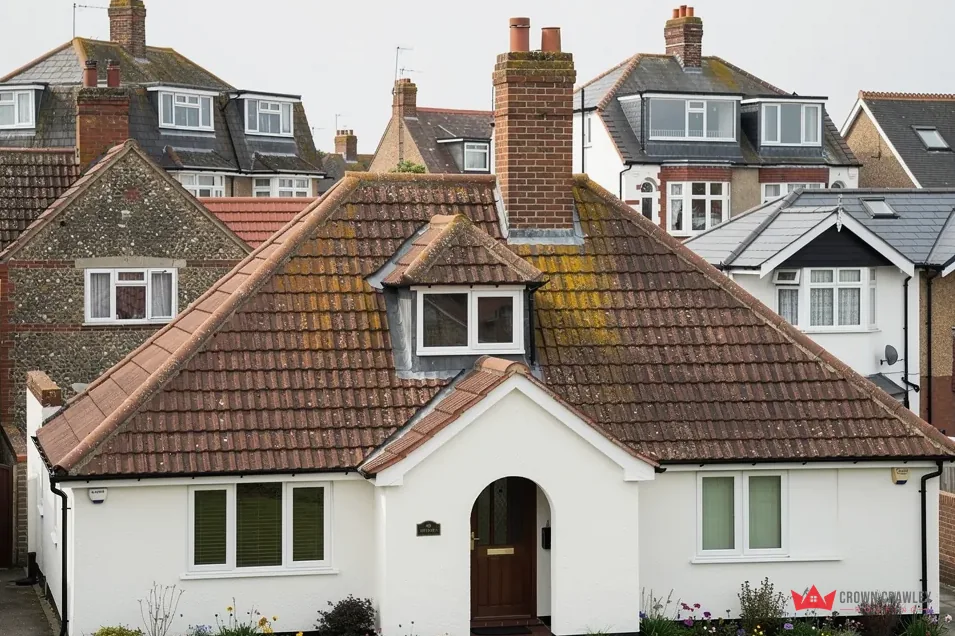
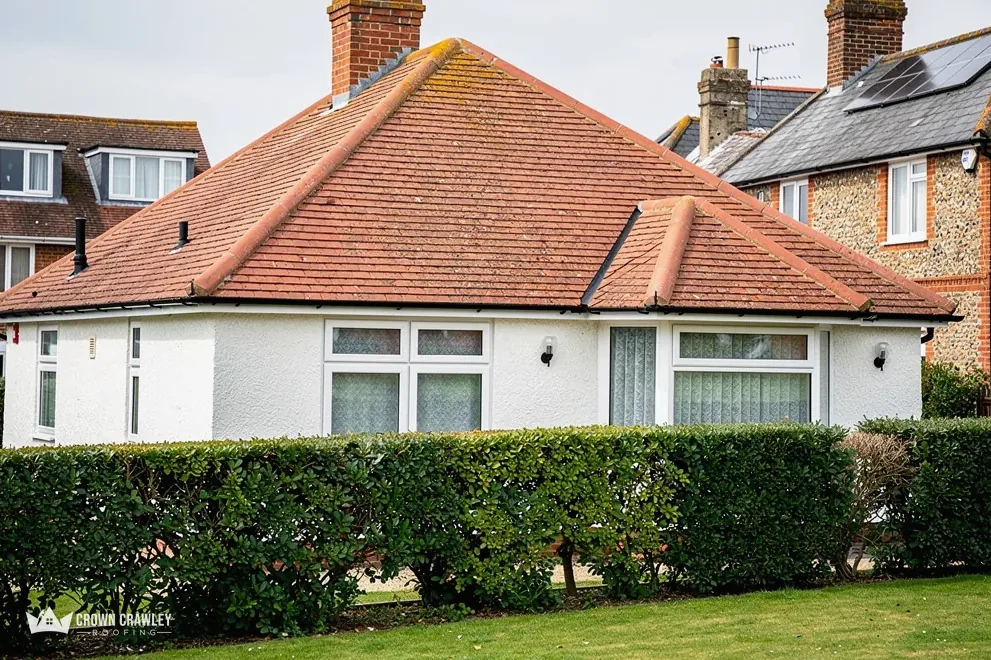
White rendered bungalow with a hipped tiled roof and dormer

Pebbles, flint and Georgian houses round the green

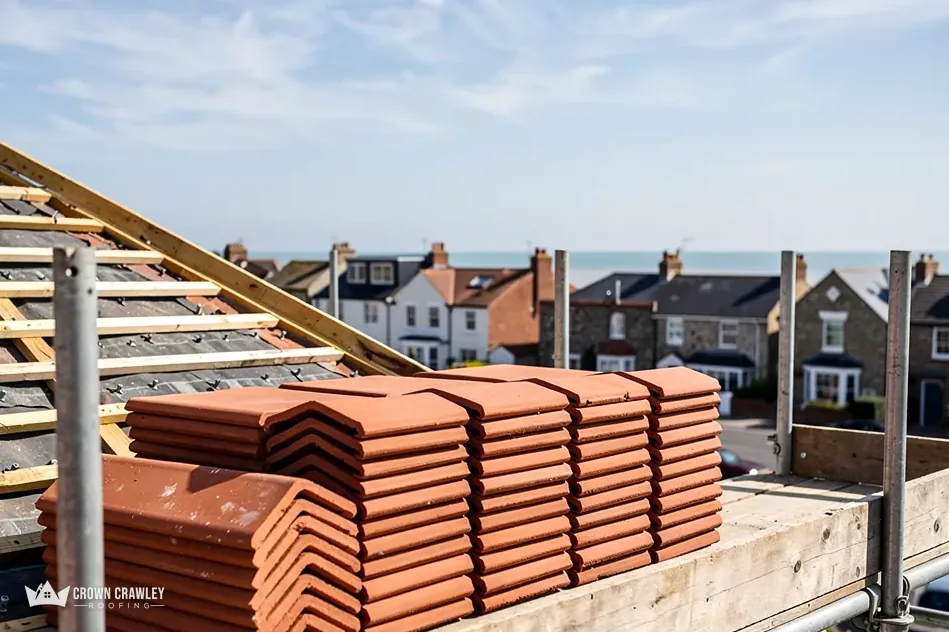
Stack of new clay tiles on scaffold beside roof timbers

Cottages faced with pebbles

The Victoria County History records mainly 19th-century cottages away from the green, some faced with pebbles from the sea-shore. On small, old buildings we repair gently, match what is already there and put any change of appearance to the council first.

Small cottage roof with chimney

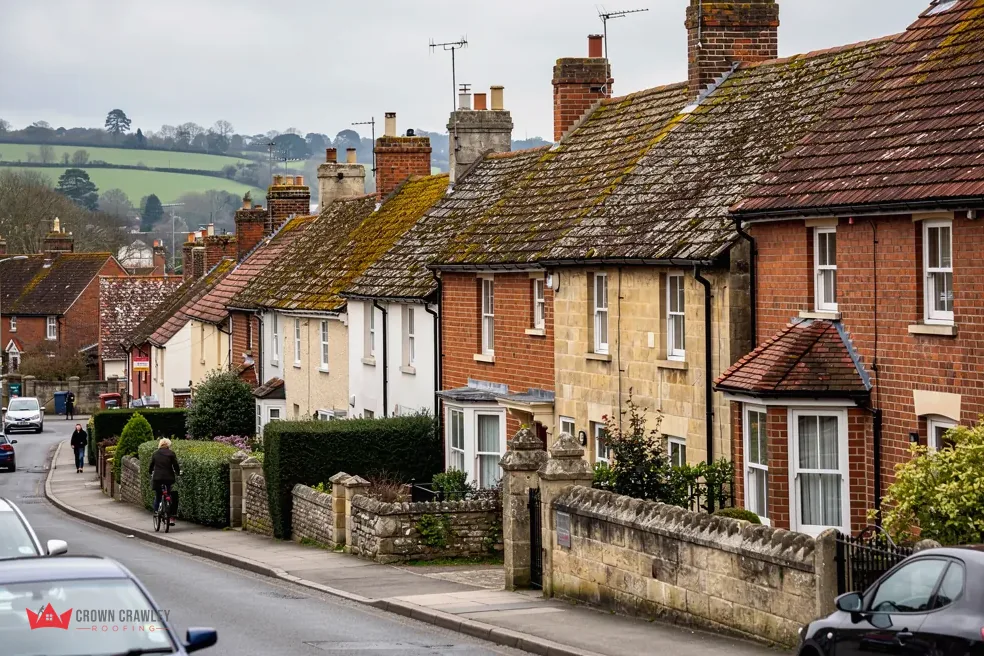
Village street of brick and render houses with old tiled roofs

Eighteenth-century houses by the green

Some good 18th-century houses stand around the village green. Roofs of that age may hide earlier repairs, so we photograph every slope, ridge and chimney before suggesting what to do.

Older tiled roof beside a green

Dormer window with white cladding in a clay tiled roof

St Margaret's, rubble and flint

St Margaret's church is built of rubble and flint with stone dressings, dates from the 12th century and is Grade II*. Work on a church roof follows the church's own approval route, not ours alone.

Flint church with tiled roof

Rottingdean, south of Crawley

Map of Rottingdean and the neighbourhoods around it, with Crawley for reference.

Rottingdean lies in a coombe running down to the Sussex coast, on the Brighton and Hove side, outside the South Downs National Park.

Distance
26.4 road miles from Crawley, to the south
Drive
About 36 minutes
Council
Brighton & Hove City Council (unitary)
Planning authority
Brighton & Hove City Council
Conservation area
Rottingdean (designated 1970)
Population
3,176 (Census 2021, Rottingdean parish)
Article 4 direction
Covers roof coverings, roof lights and chimney stacks on dwellings
Get a free quote

Diary of a Rottingdean roof

A fold in the Downs and the roofs inside it

Three short chapters on a village shaped by its setting, what its Article 4 direction means for a roof, and the council steps for a bigger job.

Stage 01 · Setting

Reading a roof in a coastal coombe

Rottingdean lies in a fold of the Downs where the coast has long suffered erosion, so we begin with the roof's exposed edges.

The Victoria County History describes Rottingdean as a village lying in a coombe in the Downs, and notes that the coast here has long suffered erosion. The old windmill stands west of the village on Beacon Hill, and the church of St Margaret sits on rising ground east of the green. That setting says one thing before we reach the door: weather can come in off the water, so the parts of a roof that face the open, the ridge, the verges and the eaves, get the first look.

What do we check first on the exposed edges?

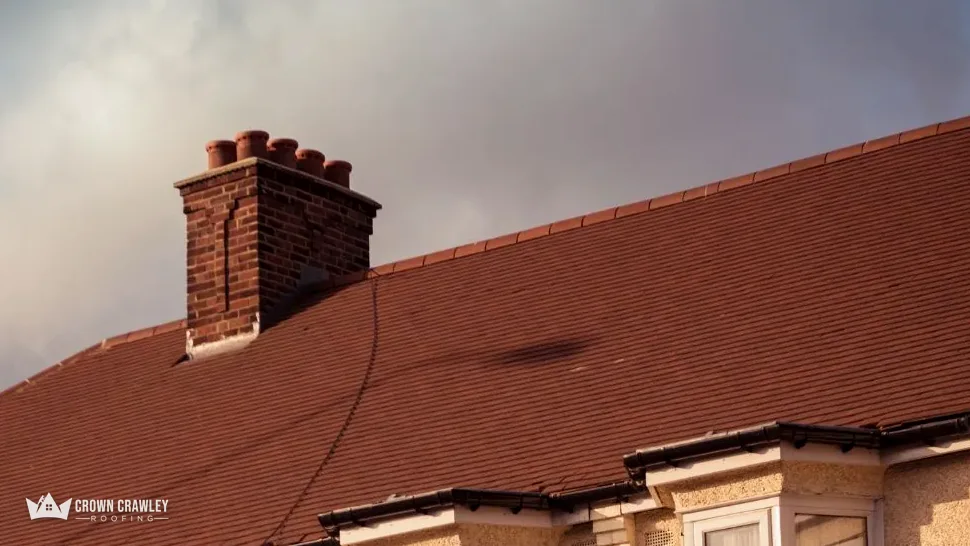
We begin on the ridge, the line of tiles capping the top of the roof. Marley's guidance since the 2014 revision of BS 5534 is to give bedded ridge and hip tiles mechanical fixings, not to leave them on mortar alone, so we check the bedding and the fixings. Next come the verges, the tile edges that run up a gable wall, where a cracked mortar fillet or a loose clip lets wind lift the last tile in each course. If either system is failing, our dry ridge and dry verge page shows the mechanically fixed alternative for an old roof.

A Rottingdean roof, inspected

Ridge
Bedding sound and fixings present
Verges
Edge tiles held against the wind
Chimney
Stack, flaunching and flashing
Covering
Matched to what is on the roof
Eaves
Gutter joints, brackets and felt
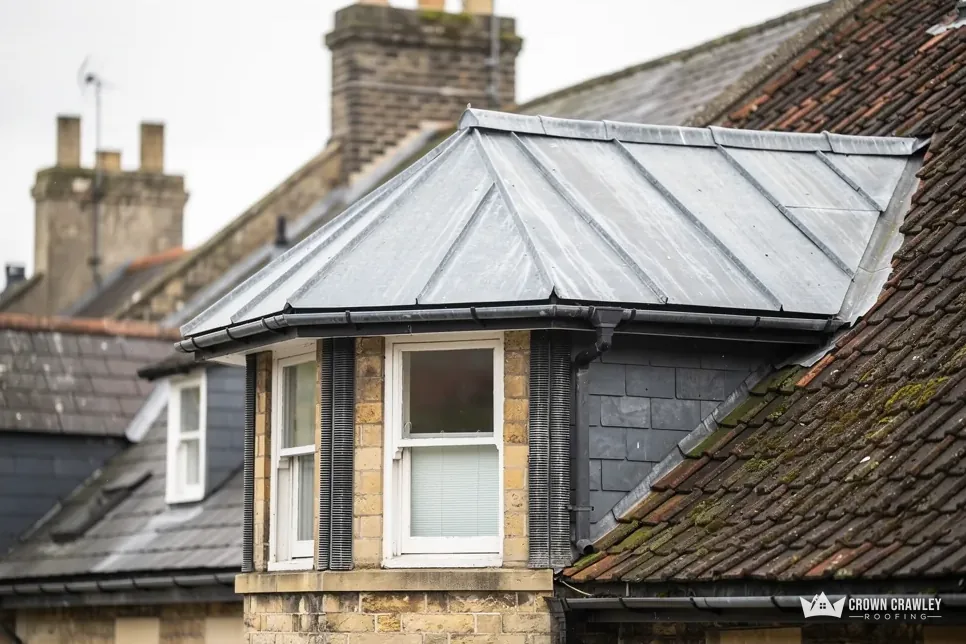
Lead-covered bay roof and chimney stack on a slate and tile roof

Why does a matching repair matter so much here?

In a conservation area the look of a roof is part of what is protected. We record the tile, its colour and its size, and we match it as closely as the stock allows. Underneath, the underlay and the battens, the thin laths nailed across the rafters, get the same careful look, because water past a worn tile does its damage unseen. Where a roof meets a wall of flint or pebbles, we check that the lead flashing has been dressed and pointed properly into the wall, since that junction is where a leak often starts.

The eaves finish the job. A sagging gutter or slipped joint can drop water behind the fascia board, so we check the run and each bracket too. Everything we find is photographed on your roof, and the price you receive in writing comes out of those findings.

On an old village roof the repair that matches beats the repair that merely fits.

What does the loft tell us?

From inside, we look for pinpricks of light, dark staining on timber and loft insulation pushed hard into the eaves. Warm house air meeting cold boards condenses, and the damp looks very like a leak. For felt underlay, BS 5250 expects an air gap along the eaves, so we confirm the gap is open before anyone blames the tiles. Where condensation is the culprit, a new covering will not cure it, and you hear that before any money is spent.

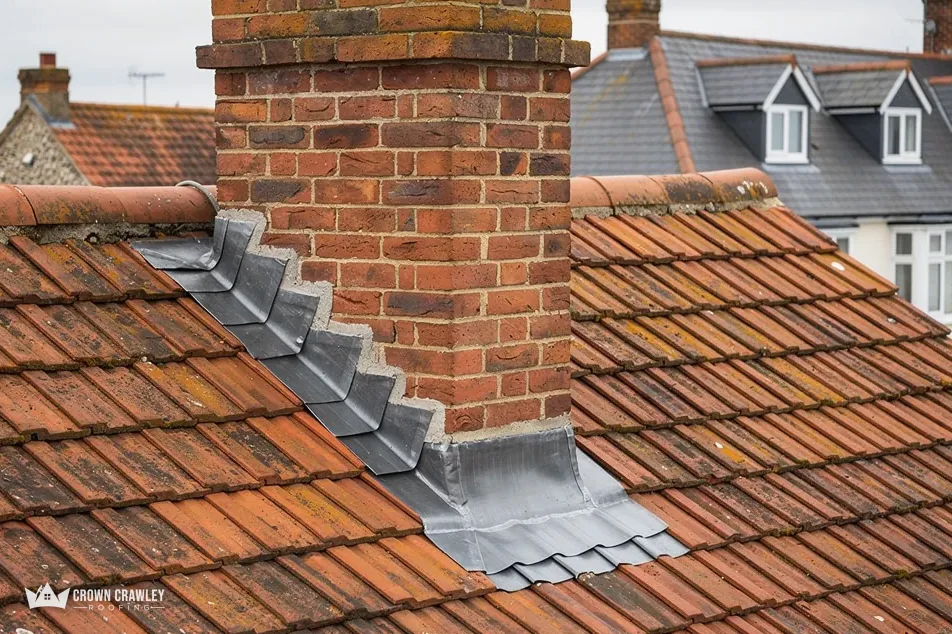
Stepped lead flashing around a brick chimney on a red tiled roof

Stage 02 · Rules

Article 4 on a Rottingdean roof

Rottingdean has a conservation area and an Article 4 direction that treats roof coverings, roof lights and chimney stacks with extra care.

Brighton and Hove City Council designated the Rottingdean Conservation Area in 1970 and extended it in 2012. It also made an Article 4 direction for the area. The council's page says the direction requires planning permission for altering roof coverings, adding roof lights and altering, replacing or removing a chimney stack on a dwellinghouse. It reaches beyond roofs too, to windows, doors, porches, boundary walls, solar panels and more, so a plan for the whole house is worth having before any single job begins. Solar panels are on the council's list as well; if you are thinking of fitting them, ask the planning team first and mention it at the survey, so the roof is mended before the panels go on and is not disturbed twice.

Is an ordinary repair caught by the direction?

The council states that repairs, unless the building is listed, and like-for-like replacement do not need permission. For most roof work that is the useful line: renewing tiles with matching tiles, rebedding a ridge, renewing a flashing. Stripping a roof and covering it in a different material is another matter, as is a new roof light or a rebuilt chimney. The written price says where a job stands in relation to that line, and if there is doubt we send the council's planning team the survey photos before we fix a date.

Terms worth knowing

Article 4 direction
Council withdraws some permitted rights locally
Conservation area
Village core guarded for its character
Like for like
Matching material, matching look, same spot
Roof light
Window set into a roof slope
What about a house that is listed?

A repair on a listed house does not enjoy the exemption the council describes. Listed building consent covers works that would alter the building's character, so the council decides what a given repair involves. St Margaret's church is Grade II*, and as an Anglican church open for worship it has its own faculty route, with planning permission still needed for development that affects the outside.

Where can I read the rules myself?

Brighton and Hove City Council publishes a page on the conservation area and another on the Article 4 direction, and its planning team will tell you which applies to your address. Our post on planning permission for roof work sets out the wider position. Chimney stacks are named in the direction, so before anyone alters one, read our chimney repairs page and then ask the council. Keep the council's reply with your survey photos and written price; a tidy folder helps when the house is next sold.

Stage 03 · Permissions

Building control, scaffold and a coastal re-roof

Brighton and Hove City Council is both planning authority and building control for Rottingdean, so one council covers the questions a bigger job raises.

For a repair in the same material there is rarely anything to submit. The picture changes when a whole roof comes off, when the replacement is a different material, or when the scaffold needs road space, and in Rottingdean the conservation area adds a layer of its own.

When does a Rottingdean re-roof need building control approval?

Building control here is Brighton and Hove City Council's own service. The Planning Portal gives two national yardsticks, and a job stays outside building control only while it passes both: under 25 per cent of the building envelope and under 50 per cent of the roof. Added load is another trigger: a covering making the roof 15 per cent or more heavier needs approval, and so does one with a different fire performance. For the loading itself, the Planning Portal points owners to a structural engineer or surveyor. We work from those tests and ask the council on any job that approaches them. Our roof replacement page follows a whole re-roof once the permissions are settled.

Weak points on Rottingdean roofs

Planning
Brighton and Hove City Council
Building control
Same council, its own service
Scaffold
Licence if on the road or pavement
Weight
New covering checked against old
Bats
Survey stops if roosts are found
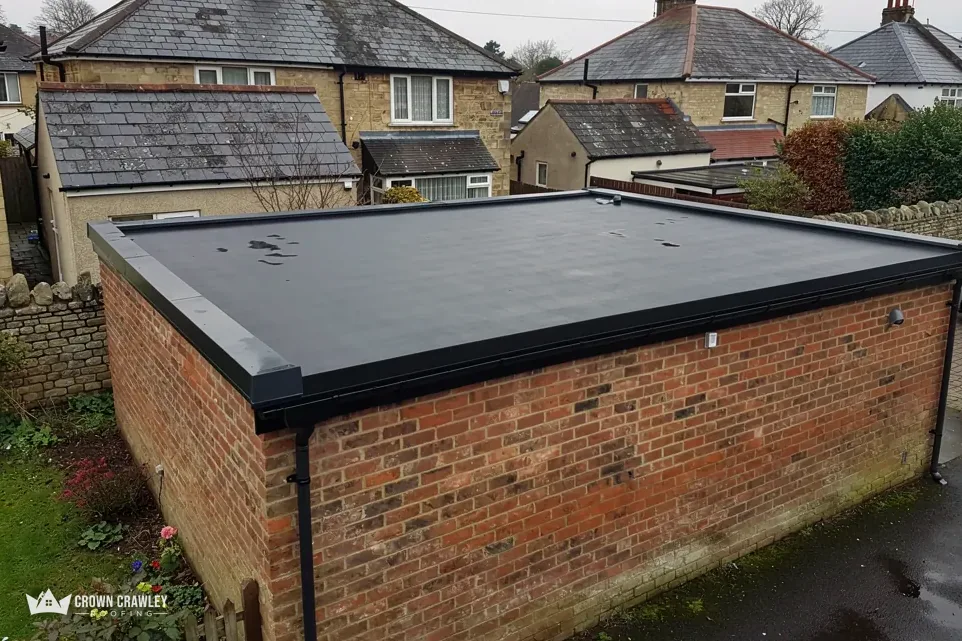
Brick garage topped with a black flat roof and neat edge trim

Who arranges the scaffold licence?

Section 169 of the Highways Act 1980 is the source of the rule that scaffolding obstructing the highway is a matter for the highway authority's licence. A scaffold set up entirely within your own boundary falls outside it. Where the lane leaves no room, we talk through the options at the survey and organise any licence alongside the scaffolder. Brighton and Hove's fee and notice period are the council's to confirm, so our start date waits for them. Neighbours are told before the scaffold goes up, the waste leaves in step with the work, and you get a plain outline of each day, from the first morning to the last tile, so nothing on site comes as a surprise.

What happens if bats turn up?

Bats are a protected species, as are their roosts, and the government's bat advice names roof work as an activity that can harm them. A roost found at the survey, or once tiles are lifted, pauses the job while we agree a way forward with you. First step: photograph the ridge, chimney or gutter that has you worried, taken from the lane or the garden, and post it to us with your road name and the date you noticed the fault.

Rottingdean's Article 4 direction and your roof

Does Rottingdean's Article 4 direction stop me repairing my roof?

No. Brighton and Hove City Council says repairs, unless the building is listed, and like-for-like replacement do not need permission. Planning permission is needed to alter roof coverings, add roof lights or alter, replace or remove a chimney stack on a dwellinghouse. A new material, a new roof light or a rebuilt stack is therefore a question for the council first.

Which Rottingdean roof jobs should go to the council first?

The council designated the conservation area in 1970 and extended it in 2012, and its conservation pages carry the map. Its planning team can confirm a single address. Ask before any job that changes how the roof looks. Tell us the address and we raise it ourselves from the survey photos, ahead of a price being agreed.

Can scaffold stand on a Rottingdean lane?

Only with a licence if it obstructs the public highway; none is needed on your own drive or garden. Brighton and Hove City Council is the body to confirm its notice period and fee. We look at the access during the survey, arrange any licence with the scaffolder and fit our start date around the council's timing.

What do I send for a Rottingdean roof price?

A photo of the ridge, chimney, gutter or slope that bothers you, your road name and a note of when the trouble began. Mention a listing or any doubt about the conservation area. We book the survey, photograph the roof as it stands, and return one written total price that allows for any council step along the way.

Get a Rottingdean roofing price

Send a photograph of the ridge, chimney or gutter troubling you, with the road name, and we will arrange your survey.

01293 974253

10-year workmanship guarantee, in writing.

Call Get a free quote