Roofers in Fletching

Roofs in a High Weald village with a conservation area.

Fletching is a High Weald village, and part of it lies inside a conservation area. We check your address and your roof before we price anything.

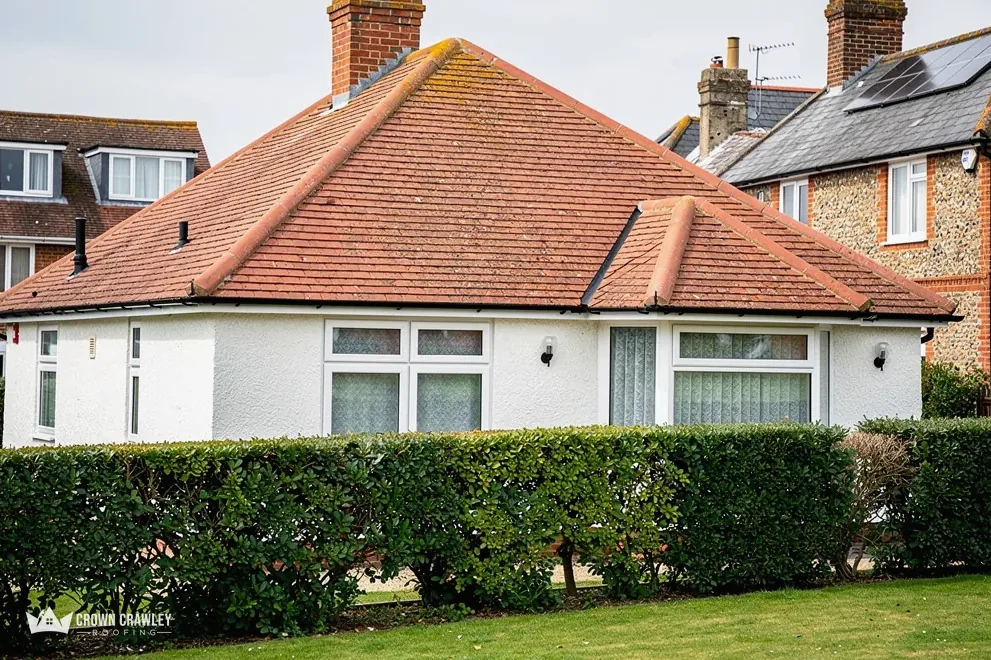
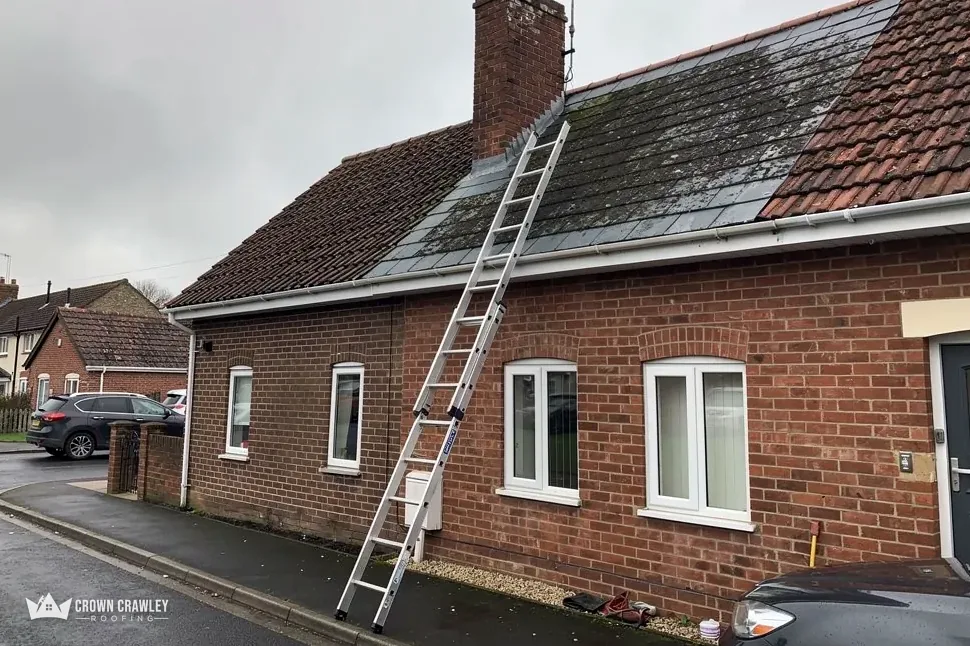
Brick bungalow with a ladder leaning against its tiled roof

What shapes a Fletching roof job

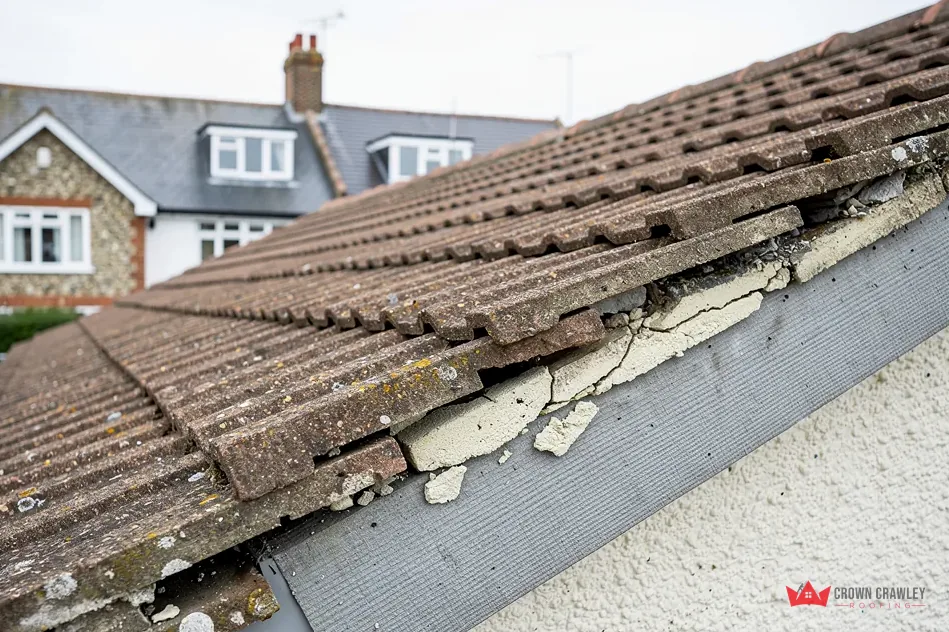
Lifted tiles and worn verge along a gable end

Inside the conservation area

Part of Fletching lies in the Fletching and Splaynes Green conservation area, so the first question on any plan is whether your address sits inside the boundary. We check it before we write a price.

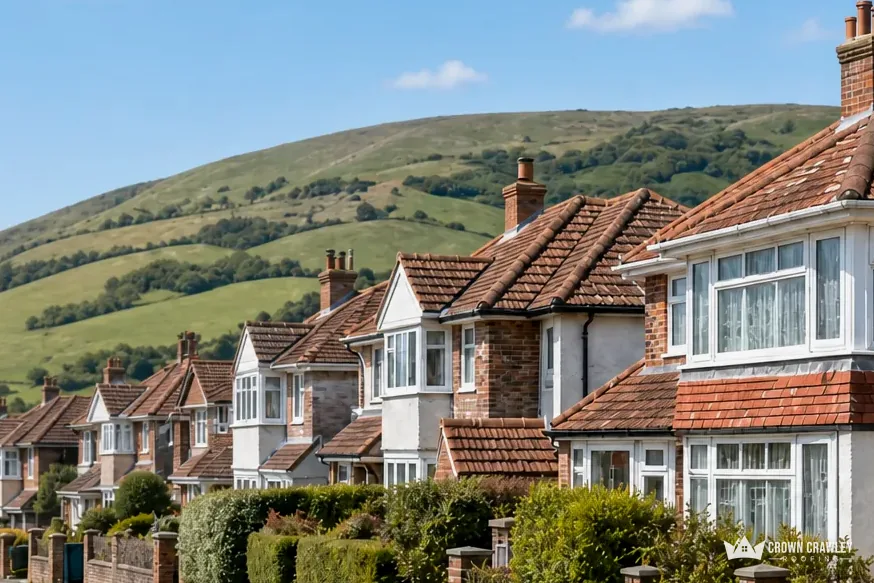
Tiled village roofs in a row

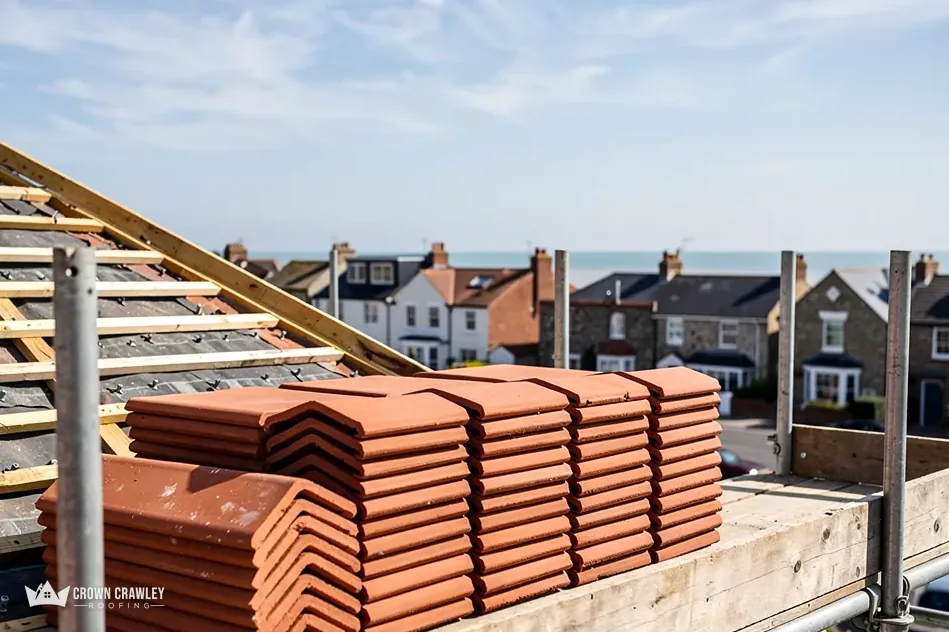
Stack of new clay tiles on scaffold beside roof timbers

A listed lodge and cottages

Clinton Lodge is listed Grade II*, and 2, 3 and 4 Whites Cottages are listed Grade II. On those three addresses, and any other listed house in the parish, the consent question is settled before anyone climbs.

Cottage roof with a chimney stack

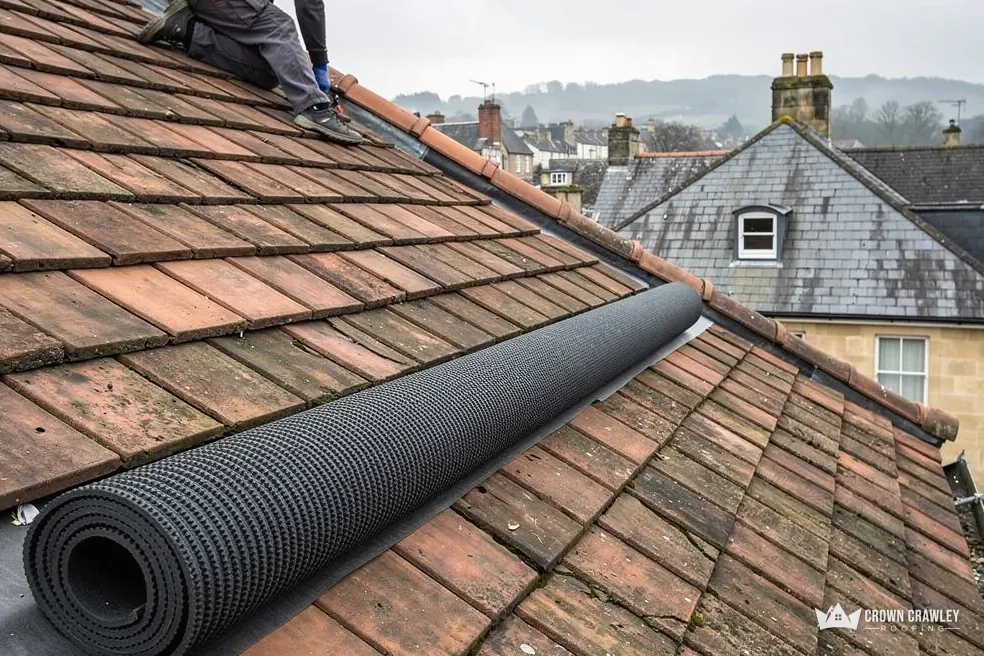
Roll of roofing membrane lying on a clay tiled roof

A High Weald setting

The village falls within the High Weald National Landscape, which describes its own buildings as timber-framed and weatherboarded, with sandstone, brick and tile widely used. We match what is already there.

Clay tiles on a country roof

Fletching, in the Wealden district

Map of Fletching and the neighbourhoods around it, with Crawley for reference.

Fletching is a small village in East Sussex, inside the High Weald, with a Grade I parish church dedicated to St Andrew and St Mary.

Distance
17.5 road miles from Crawley, to the south-east
Drive
About 30 minutes
Council
Wealden District Council and East Sussex County Council
Planning authority
Wealden District Council
Conservation area
Fletching and Splaynes Green Conservation Area
Population
1,045 (Census 2021, Fletching civil parish)
Building control
East Sussex Building Control Partnership
Get a free quote

Fletching roof journal

Roofs under a conservation boundary

Three short chapters on checking your address, the listed roofs around the church, and the East Sussex rules behind a bigger job.

Stage 01 · Your address

Is your roof inside the Fletching conservation area?

Only part of Fletching is inside the conservation area, so the first job is finding which side of the line your roof is on.

Planning.data.gov.uk places part of Fletching in the Fletching and Splaynes Green conservation area, and Wealden District Council keeps the boundaries on its conservation area pages. The word part matters. Two neighbours can sit on opposite sides of the line, so we never assume, and we ask for your address before we say anything about what applies.

What changes inside a conservation area?

For a straight swap of broken tiles for matching ones, very little. Work that does not materially affect the outside of a building is not development in the first place, which is why a patch of matching tiles or a rebedded ridge is not something to apply for. Planning control comes in once the roof's appearance shifts: another covering, a raised ridge, a new window or a dormer. In planning law a conservation area is article 2(3) land, where fewer permitted development rights apply, and our page on re-roofing in a conservation area explains what that means for a full replacement.

Check these before work starts

Conservation area
Part of the village is inside
Landscape
High Weald National Landscape
Listing
Check the list entry for your house
Article 4
Ask Wealden if a direction applies
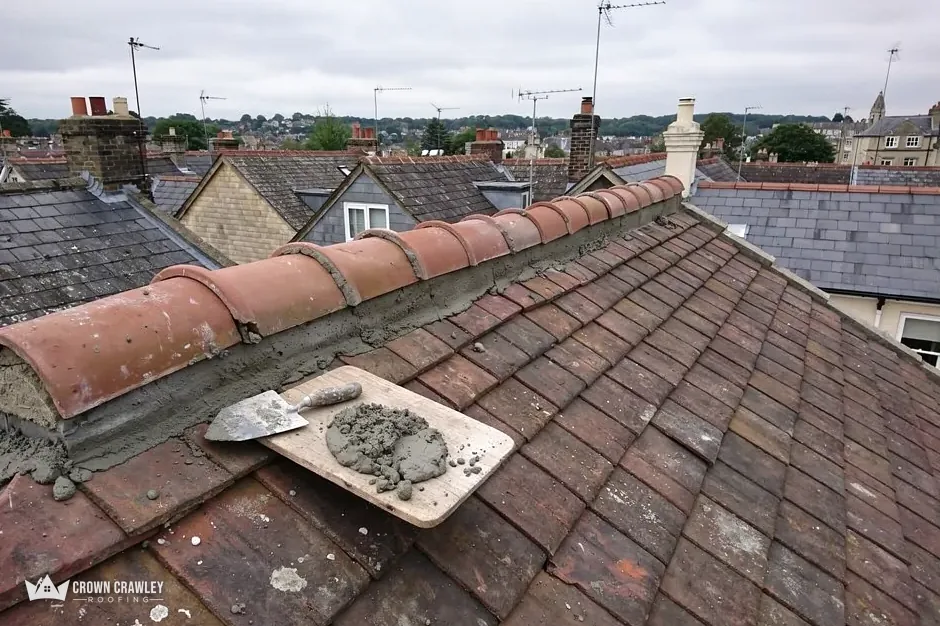
Ridge tile bedded in fresh mortar with a trowel resting on the roof

What is an Article 4 direction, and do I have one?

A direction is a way for a council to withdraw permitted development rights across a defined area. Wealden District Council can say whether one applies to your address and what it covers, because it can switch off a right you would otherwise have, and the answer decides whether a change to the roof needs an application.

How do we survey a roof in a village like this?

The same way as anywhere: slopes, ridge, verges and gutters from the ladder, then the loft. In a conservation village we also note the tile, its colour and its coursing, so any repair can be matched to what the street sees. Our pitched roofing page describes the repairs that follow, and the written total comes after the survey.

If you do end up speaking to the council, a set of photographs showing the existing tile, ridge and verge makes the officer's job easier and speeds up an answer. We can supply that set from the survey, labelled by slope, so what you describe on the phone matches what they can see.

One practical point for village lanes: where a lorry cannot stand outside the house, deliveries and waste need planning in advance. We ask about parking, gates and neighbours at the survey, and we tell the people next door before the scaffold goes up, so the job runs without surprises for anyone.

Row of suburban houses with tiled roofs below green downland

Stage 02 · Listed roofs

The church, the lodge and the cottages

A Grade I church, a Grade II* lodge and a row of Grade II cottages show how many layers of consent one village can hold.

Historic England lists the parish church of St Andrew and St Mary at Grade I. Clinton Lodge is listed Grade II*, and 2, 3 and 4 Whites Cottages are listed Grade II. St Andrew and St Mary, an Anglican parish church still in use, answers to the diocese's faculty system for changes to its fabric, not to listed building consent. A house or cottage is different. It needs listed building consent before work that alters its character.

What does the High Weald say about local buildings?

The High Weald National Landscape, an area of outstanding natural beauty, describes the buildings of its district as timber-framed and weatherboarded, with sandstone, brick and tile common, a pattern the organisation ties to the sandstone and clay geology below. That is a description of the whole National Landscape and no survey of Fletching's streets, yet it is a fair guide to what a village roof here must sit alongside. If the original covering was natural slate, note that BS 5534 sets its minimum pitch at 20 degrees, and Cupa Pizarras advises against hook fixings below 25 degrees, so a change of covering is never settled from the ground. We match the tile that is already on your house and say so in the quote.

Listing words in plain English

Grade II*
A higher tier within Grade II
Faculty
Consent route for church buildings
Listed building consent
Needed before work alters a listed building
Weatherboarding
Overlapping boards hung on a wall

In a listed house the consent comes first and the price second.

Does age decide when a Fletching roof has to go?

Age alone decides nothing. Well-kept natural slate can last more than a century, and the Building Research Establishment holds clay tile to a minimum of 60 years, although one conservation article treats that figure as unsafe to lean on for old peg tile. Condition is what counts: how the tiles ring, whether nail holes have elongated, how the battens behave under a boot. We show you photographs of all three, and a repair that keeps sound old tile in place is often better than renewal. Our lead work page covers the flashings around stacks and walls that listed roofs usually have.

Where a Fletching cottage has a chimney stack, its mortar joints and flaunching deserve the same scrutiny as the tiles. Checkatrade's April 2026 guide gives £300 to £1,000 for repointing a chimney in the UK, and its October 2026 guide puts a rebuild above the roofline at £1,000 to £3,500. We look at the pot, flaunching, flashings and joints together, so one visit covers the whole stack.

If your house is listed, send the list entry number with your first message so we can read the listing before the survey.

Stage 03 · Permissions

Wealden rules, East Sussex scaffold and the Weald

Planning sits with Wealden, building control with a four-council partnership, and scaffold on the road with East Sussex County Council.

Putting back what was there changes nothing about how the village looks, so no form is needed, even in the older streets of the village. Paperwork starts when a roof changes, when a job grows past a certain size, or when scaffold has to stand beyond your own boundary. A larger job also means more days on site, and we tell you what happens on each one.

Who handles building control in Fletching?

Fletching's building control comes from the East Sussex Building Control Partnership, a Wealden-led service shared with Eastbourne, Hastings and Rother. The Planning Portal's national test says a re-roof usually needs no application when it affects under 25 per cent of the building envelope and under 50 per cent of the roof. Building control approval is needed, though, where the replacement covering weighs 15 per cent or more above the original. We work those figures out at the survey and tell you in the quote if your job gets near either one.

The Fletching survey list

Planning
Wealden District Council
Approvals
East Sussex Building Control Partnership
Highway
East Sussex County Council licence
Landscape
Inside the High Weald
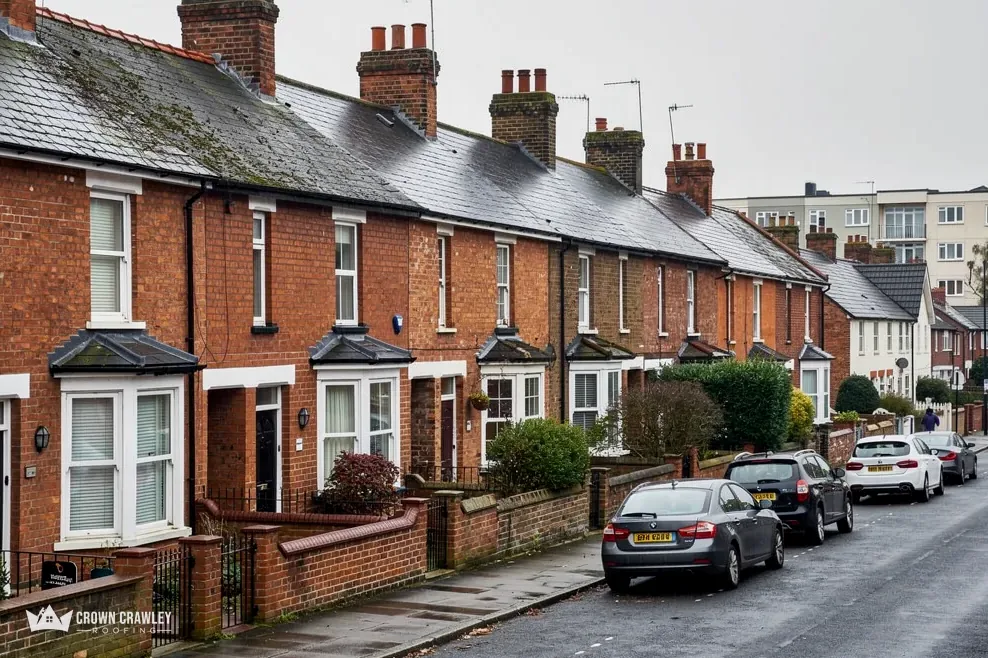
Victorian brick terrace with bay windows and parked cars

What does a scaffold licence involve in East Sussex?

A frame obstructing a public road or footway needs a licence from the highway authority, East Sussex County Council, while one on private land is outside the scheme. In East Sussex the licence is issued through East Sussex Highways, whose terms want extension requests in 5 working days or more before expiry and keep scaffolds off the highway during annual bonfire celebrations; an autumn start is checked against those dates. Who applies is settled with our scaffolder, and the licence period is set to cover the real length of the job.

Does the National Landscape change anything?

It can. Land inside a National Landscape counts as designated land for permitted development, so some rights that apply to a house elsewhere do not apply here. Whether any of that touches your roof depends on what you want to change, so put a dormer or a new roofline to Wealden's planning officers before anything is ordered. For a full new roof, our roof replacement page shows the steps.

What a job costs rests on roof area, covering, access and the survey findings, and every quote you collect should say whether VAT and scaffolding are inside it. Whatever the job, the first thing we need is your address, plus a few pictures of the stack or slope you are watching.

Fletching roofing, answered

Can I replace broken tiles on a Fletching cottage without asking anyone?

If the house is not listed and the new tiles match the old, you are usually putting back what was there, which does not count as development. If it is listed, or you cannot tell if you are inside the conservation area, ask Wealden District Council first. We check the list entry and the boundary before the survey, so you are not caught out.

What does a High Weald setting mean for the tiles I choose?

The National Landscape's own description of local buildings mentions timber framing, weatherboarding, sandstone, brick and tile. We take that as a reason to match what is on your house now, in colour, size and texture, instead of picking something new. A different covering is a change of look, so check with the council before ordering anything, and send us a photo of your existing tile so the match is close.

Who decides whether my Fletching roof job needs building control?

East Sussex Building Control Partnership, which Wealden leads, is the body to ask. Two things settle it: the share of the roof you renew and whether a replacement covering would weigh more than what is there now. Both get measured at the survey, and the result goes into the written price so you know before you sign.

How much of my roof can I renew before the rules change?

The Planning Portal's test is under 25 per cent of the building envelope and under 50 per cent of the roof for no application, so replacing a few tiles or a small slope is usually well inside it. Past that, or with a heavier covering, approval is needed. We measure your roof at the survey so you know where you stand.

A Fletching roof, one price on paper

Send your address and a few pictures of the stack or slope on your mind, and we will check the boundary and book a survey.

01293 974253

10-year workmanship guarantee, in writing.

Call Get a free quote