Why do hilltop roofs lose their edges first?
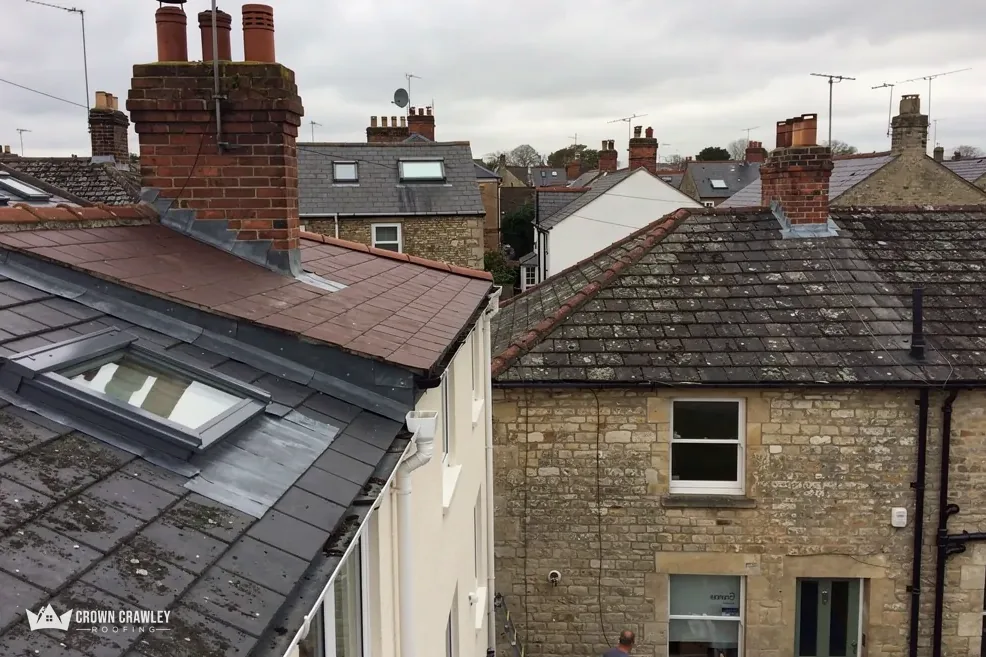
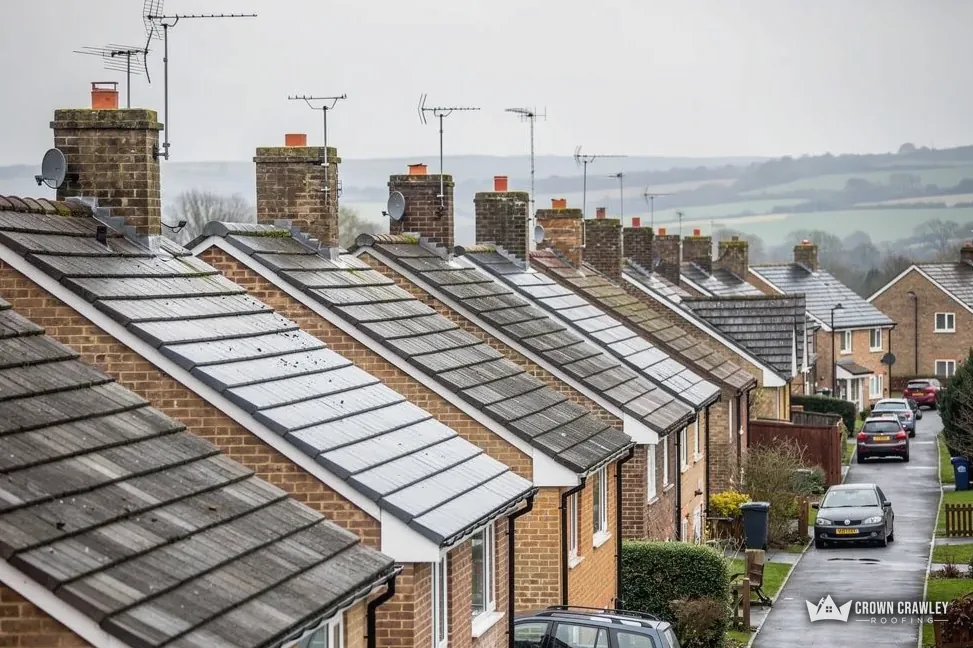
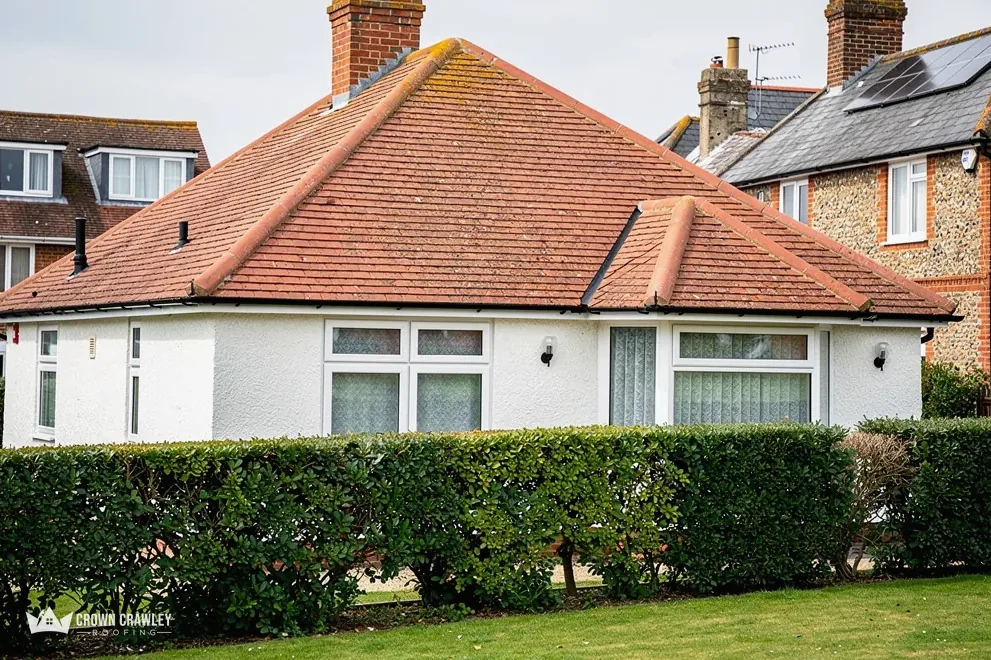
Up on the North Downs a house has few windbreaks, and gusts arrive from several directions. They find the weak points along the verge, the sloping side edge where a gable wall meets the tiles, and along the ridge, the high line where two slopes join. Mortar cracks there, then drops away, and a gap at a verge lets rain reach the timber underneath, so a small repair costs less than replacing rotted battens later. Marley reads the 2014 revision of BS 5534 as meaning that ridge and hip caps need a mechanical fixing, because mortar alone cannot be relied upon. A dry system answers that with clipped caps, and BS 8612 is the test standard such systems are measured against. Neither standard is a legal requirement, so we set out both routes and let the survey photos guide your choice. Our dry ridge and dry verge page sets out how each one is built.
Does the age of the tiles matter?
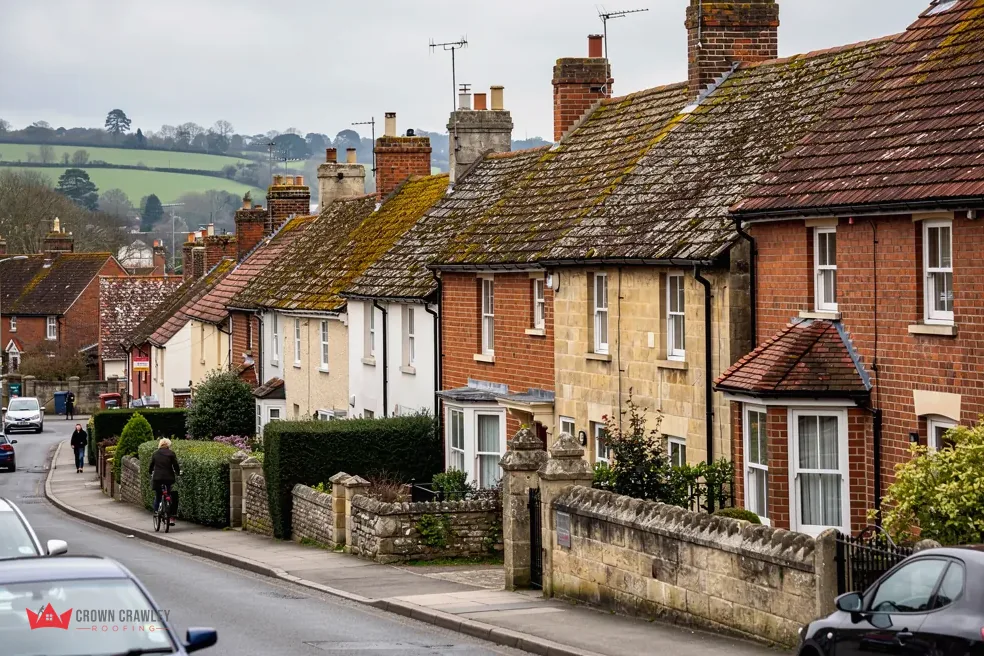
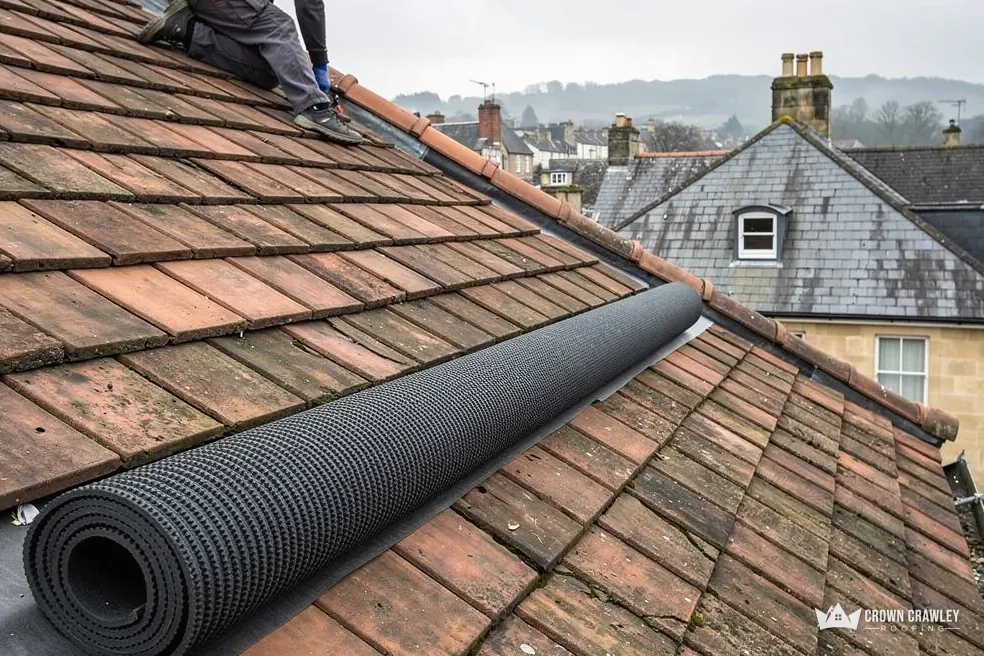
Less than the fixings around them. For concrete tiles Marley's figure is about 60 years, though Marley adds that this promises nothing, while for clay the Building Research Establishment sets a minimum of 60 years. Well-kept slate can pass a century. The mortar, the nails and the felt at the eaves can fail well before the tiles do, and that is repair work rather than a new roof. While we are at the eaves we look at the fascia, the board that carries the gutter, and the soffit, the panel under the overhang, since a sagging gutter pushes rain back beneath the first course of tiles. The written price then covers whatever the survey shows and nothing the roof does not need. Our pitched roofing page covers tiles, battens and underlay.