Stage 02 · Older fabric
The Wool Pack and older village roofs
A wool-trade village with a 17th-century inn has older buildings, and age changes how we read tiles, timbers and the lifespans quoted against them.
In 1454 a Commons petition asked that a sack of Banstead Down wool should not be sold for under 100 shillings, and the village inn, the Wool Pack, took its name from that trade. By 1911 the Victoria County History described the inn as a building that may well date from the 17th century. We mention it because buildings of that kind are the reason a Banstead survey is never rushed. Age is not the same as decay, but it does change what we look for.
How long should an old tile last?
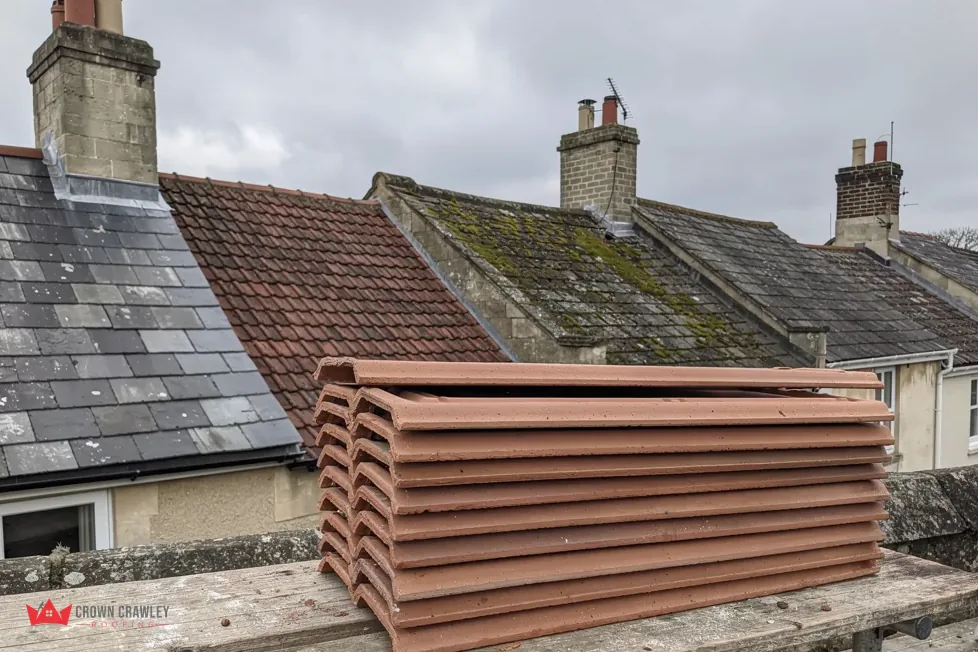
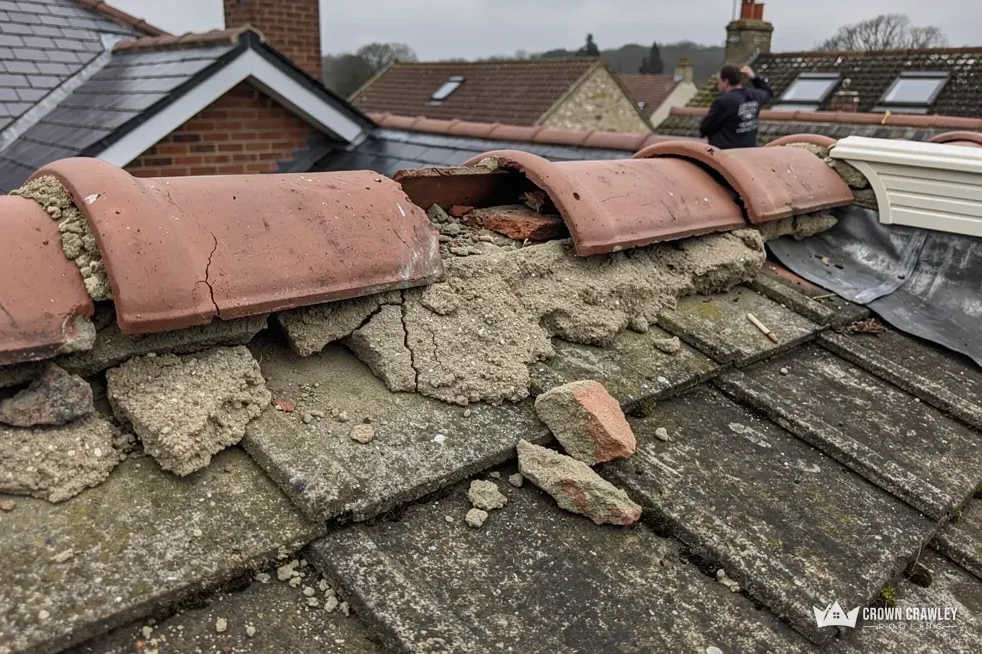
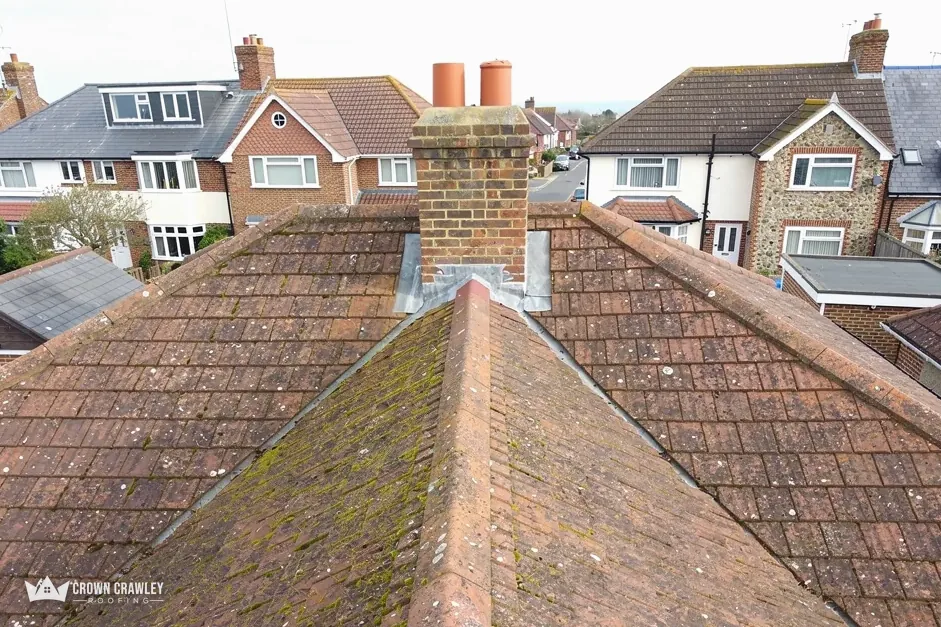
Published lifespans are typical ranges, never promises. The Building Research Establishment sets a floor of 60 years on the life of clay tiles, yet one building conservation article calls that figure clearly not a reliable guide for old peg tiles. Marley's page on concrete tile life gives around 60 years, with a note that this is no guarantee or warranty. Slate kept in good order can pass 100 years, the Confederation of Roofing Contractors reckons. So a tile's age alone does not tell you whether the roof needs replacing. Its condition does, and the survey photos show you that condition slope by slope.