Fascia capping is the cheaper-looking route to a new roofline. Instead of removing the old timber board, a fitter wraps it in a fresh plastic cover, so the front of the house looks new in a day or so. For a board that is sound underneath, that can be a sensible, tidy fix. For a board that is already damp, it can be the worst option, because the cover hides the problem and holds moisture against the wood.
The question is never whether capping is good or bad. It is whether the timber below is fit to stay. This guide explains what capping is, the checks that decide the question, the cases where it works well and the ones where it just delays a bigger job. It then describes what full replacement involves, what the national cost guides say about both, and what to check before any work starts, including asbestos in older soffits and wildlife in the eaves. The aim is that you can read a quote, ask the right questions and tell the difference between a fair recommendation and a quick cover-up.
What capping is and how it is fitted
Capping, sometimes called cover-up or over-fascia, is a set of plastic sections that fit over the existing boards. The old fascia stays in place, and so does the soffit unless it is replaced separately. Understanding the method makes it clear why it only suits some houses.
What goes on the house?
The fitter checks the old board, removes the gutters, nails or clips the capping over the face and underside of the fascia, then refits the gutters. A cap profile is shaped to wrap around the front and return under the board, hiding the old timber from view. A matching soffit board may be added at the same time, so the roofline reads as one clean finish.
Why do people choose it?
It is quicker than stripping the whole roofline. It avoids disturbing the rafter ends and the tiles that overhang the gutter line, and it can cost less. Because the old boards stay, there is no gap to make good at the wall or the roof edge. For a fascia that is merely tired, with flaking paint but solid timber, this is a fair reason.
The method has a built-in blind spot, though. A capped board is out of sight, so rot behind it carries on unnoticed. That is why the survey matters so much, and why the next section is about checking the timber before you decide anything.
How a roofer checks the old board
The decision rests on a short list of checks, most of which can be done before a single board comes off. Ask the person who surveys your roof to show you what they find, with photos, and to explain the reasoning.
What shows from the pavement?
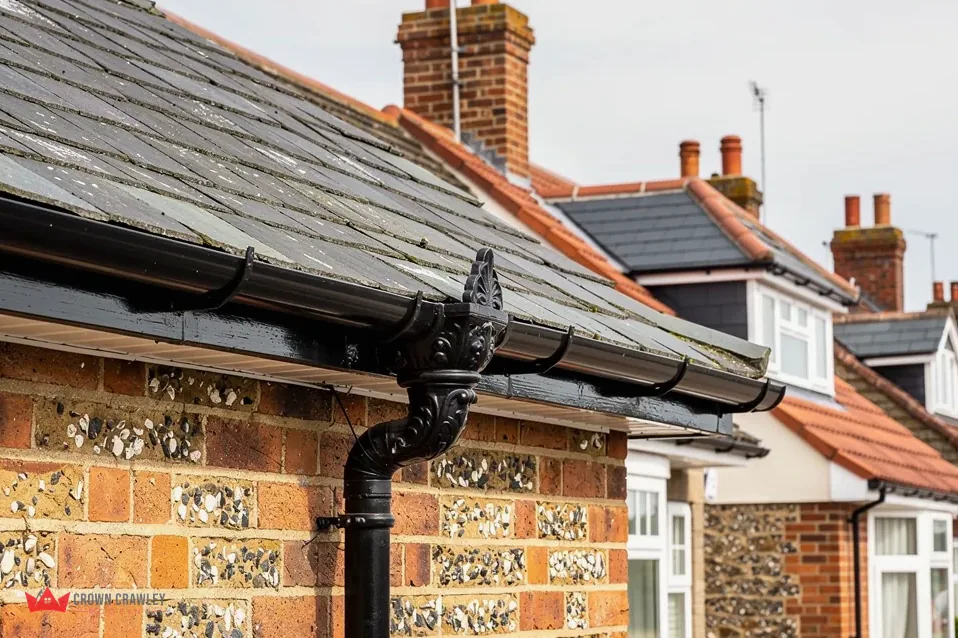
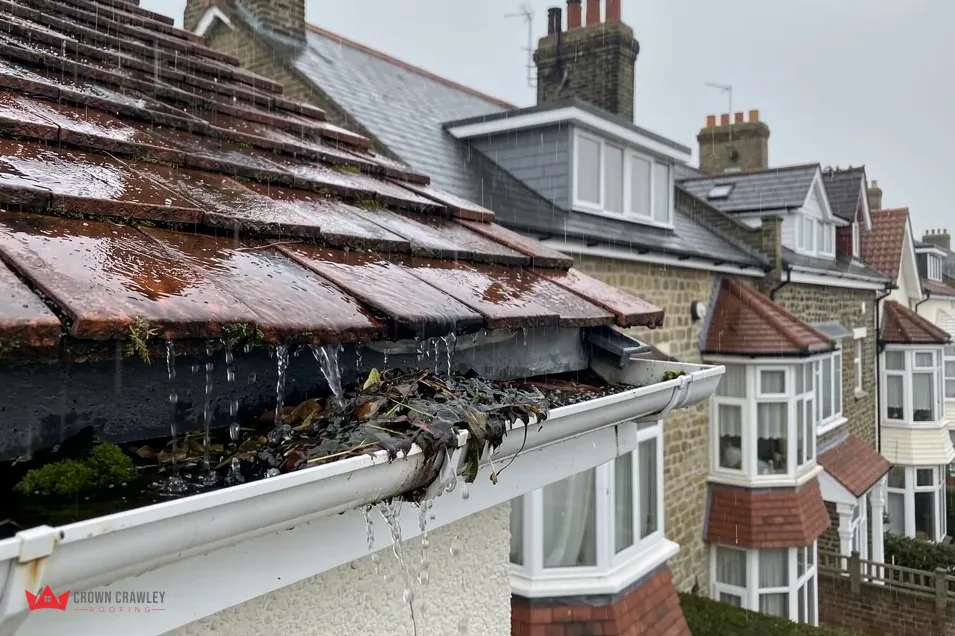
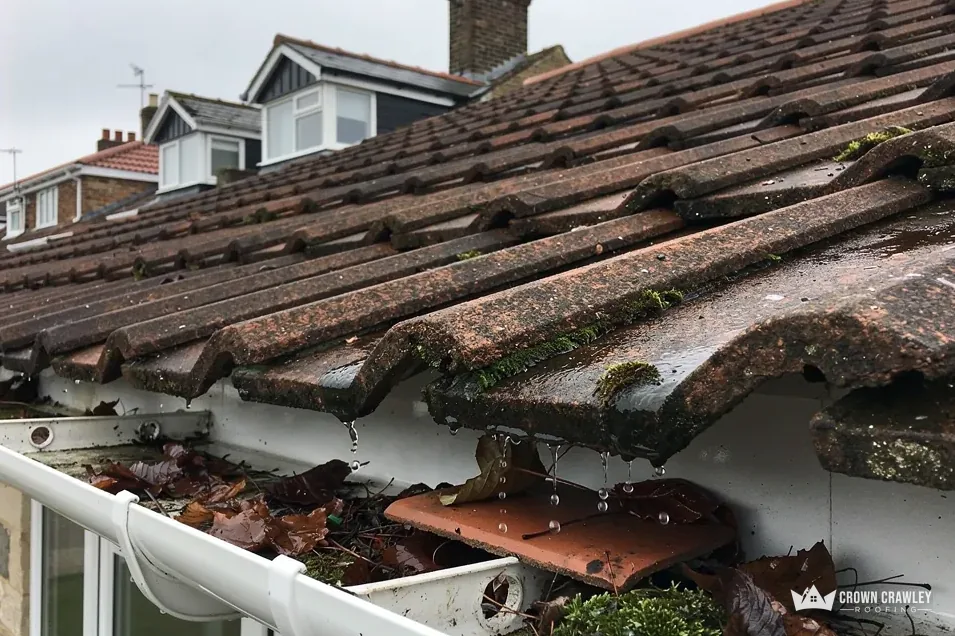
Look along the fascia for peeling or blistering paint, dark staining, sagging lengths, gaps at the joints and gutters that droop away from the board. Check below the eaves for damp marks on the soffit or the wall. Water running behind a gutter, or over the back of it, has often been soaking the wood for a while. Our page on signs of a rotten fascia board lists what to look for.
What does the roofer check up close?
From a ladder or scaffold, the roofer presses a screwdriver or similar tool into the timber at the lower edge, the joints and the ends. Sound wood resists. Rotten wood crumbles or sinks in easily. They also check whether the board is firmly fixed to the rafter ends, because a sound board with loose fixings is only half a job. They look at the gutter brackets, the rafter ends and the felt or underlay that should sit over the board's top edge.
What tips the balance?
Soft or crumbling timber, rafter ends that show decay, or a roofline that has to be opened anyway for a leak above all point to replacement. Firm, dry, straight timber with only cosmetic tiredness points to capping. If you are given a firm recommendation with no inspection of the timber, ask how it was reached.
When capping is a sound choice
Capping has its place. It is a legitimate method, and it makes sense in a particular set of conditions. A roofer who suggests it where those conditions hold is giving you good advice, not cutting a corner.
What conditions suit it?
The timber must be dry, firm and straight, with no soft spots at the joints or along the bottom edge. The board must still be well fixed. The gutters should be working and free from leaks, so the wood is not being soaked from above. The soffit, if it is staying, should be in good condition and vented where the loft needs it. And any rafter ends visible at the eaves must be sound.
It also suits a house where the old fascia is deep or ornate and replacing it would disturb the tile overhang, or where scaffold is hard to set up and a shorter job lowers the access cost. Checkatrade's cost guide for this work (September 2026 table) puts capping near £85 for each linear metre, against about £150 for new fascias and soffits. Those are national typical figures and no more.
Even then, capping should be done with care. A good fitter leaves a path for air at the top and bottom of the cap, so any moisture can escape, and uses fixings that do not split the old timber. The cap should be sealed neatly at the joints without trapping water behind it. If the quote cannot explain how moisture will escape, that deserves a question before you sign.
When capping traps rot instead of curing it
This is the case people most need to hear about. If the board is already damp or decayed, capping does not stop the decay. It wraps the damp wood in plastic and shuts the air out.
What happens under a cap?
Wood that is wet and cannot dry will rot further. The cap hides the surface, so the first you know about the failure may be a gutter that pulls away or a drooping length of board. By then the rot may have reached the rafter ends, which are structural and expensive to repair. The new plastic looks perfect while the timber behind it softens.
What are the warning signs on a quote?
Be wary of a quote that names capping without any mention of inspecting the timber, one that is pushed as a quick fix for boards you know are soft, or one that does not say how rot would be dealt with if it appeared when the gutters come down. A fair quote tells you what will happen then: for instance, that the capping stops and the affected lengths are replaced, with the change explained before it is made.
Leaks from the roof above are another reason to look deeper. If water has been running down behind the gutter or the tile edge, the problem sits at the top of the board, where capping does not reach. Fix the source, then decide what to do with the timber. Once boards do need to come off, the price is driven by access, the length of roofline and whatever the survey finds beneath the old timber.
What full replacement involves
Replacement removes the old boards completely and starts again from the rafter ends. It takes longer and costs more than capping, and in return the roofer can see everything that was hidden.
How is it done, step by step?
Access is set up first, usually a scaffold or a tower, so the work at the eaves is safe. The gutters and downpipes come off, then the old fascia and soffit boards. The rafter ends are inspected and any rotten section is cut back and repaired, often by fixing a new piece alongside the sound timber. New boards go on, with ventilation in the soffit where the loft needs it. The felt or eaves tray is checked so it sits over the top edge of the fascia and drains into the gutter. The gutters are then refitted, falls set and joints tested.
Why does it cost more?
There is more labour and more material, and the scaffold is usually in place for longer. Scaffold hire adds to it: Checkatrade's fascia and soffit table quotes a national figure near £450 a week for each elevation. The same replacement cost guide gives £2,750 as the average for a small semi. Treat both as yardsticks rather than a quote for your house. VAT at the standard 20% may need adding.
What do you gain?
You gain certainty. The timber is checked, the rafter ends are visible and any asbestos question is settled before new boards go up. If the gutters are also due for change, doing both in one visit saves the cost of putting up access twice. Our hub on gutters, soffits and fascias lists the other jobs that fit naturally with it.
Asbestos, bats and nesting birds before any work
Whichever route you choose, two checks come before the first board is touched. Both are about what could be hiding in the eaves.
Is there asbestos in an old soffit?
HSE's starting assumption for any building from before 2000 is that asbestos may be present. Outside soffits are on its list of insulating-board locations, and you cannot reliably tell that board from a harmless lookalike by eye. Most removal of insulating board is licensed work. Never imply a soffit is safe because it looks like plain board. If the age of the house suggests it, a sample test comes first. Our page on asbestos soffit boards covers the route.
What about bats and birds?
The roofline is where both live. Bats get strong protection. GOV.UK guidance protects all of them, together with their roosts and breeding places, and counts work on a roof as something that can disturb a colony. The 2017 Habitats Regulations make harming such a spot an offence. For birds, the 1981 wildlife legislation makes it an offence to intentionally take or damage a nest that is being built or is in use. If you see bats, droppings or nests at the eaves, say so before work starts, and leave the discussion of next steps to the roofer and the relevant authority.
Closing every gap with a tight cap can also seal off a roost entrance or a nest site, which is another reason capping is not the harmless option it appears. Read our guide to soffit vents, birds and bats before work is agreed.
Part of our Gutters, Soffits & Fascias in Crawley
Capping and replacement questions
Can fascia capping be removed later if the wood rots?
Yes, it can be unclipped or cut off, and the board checked beneath. The problem is that you may not know there is a problem until a gutter sags or a length bows. If you choose capping, ask the fitter to leave air paths and to photograph the timber before it is covered, so the condition is on record.
Does capping hide a leaking gutter problem?
It can. A cap covers the face of the board, so staining and soft patches become invisible, even though water may still be running behind the gutter. Fix leaks and falls first, check the timber, then cap only if the wood is dry and firm. A repaired gutter with a sound board is a good basis for either route.
Is replacing just the soffit enough?
Sometimes, if the fascia is sound and only the underside has failed, but the two are close and decay tends to spread. Your roofer should check the fascia, the rafter ends and the vents before agreeing to a partial job. A soffit swap on an older home also raises the asbestos question, so settle that first.