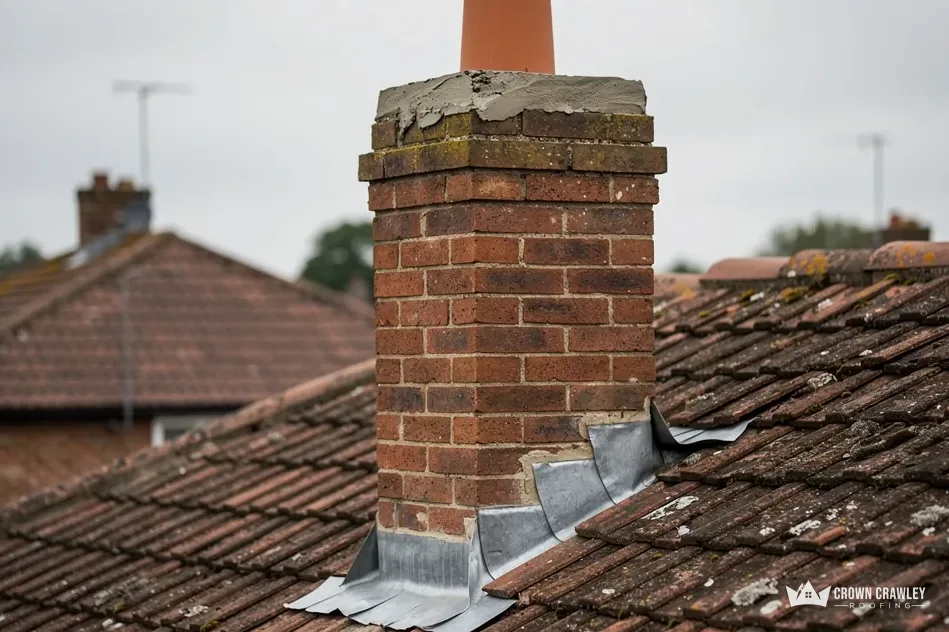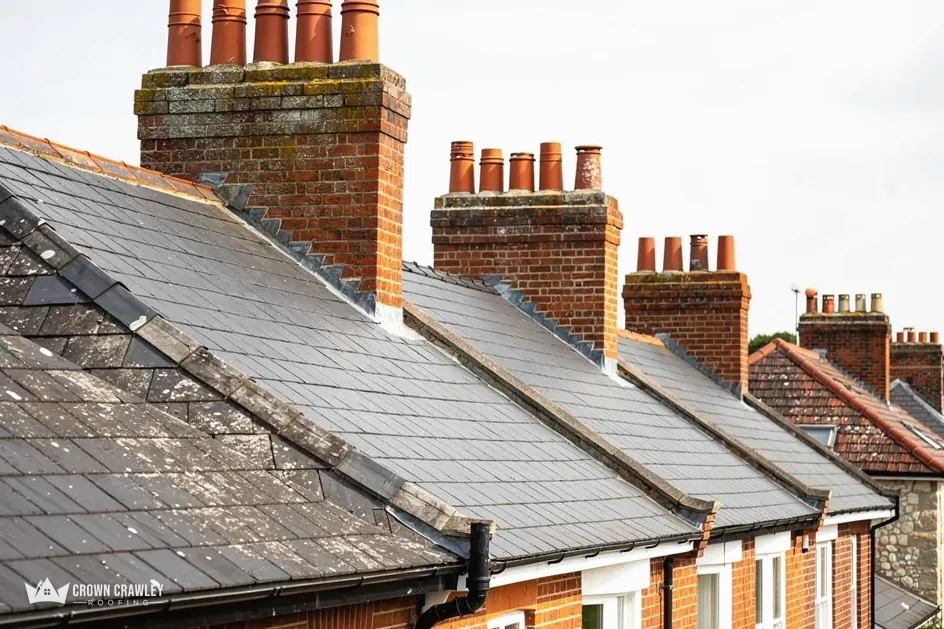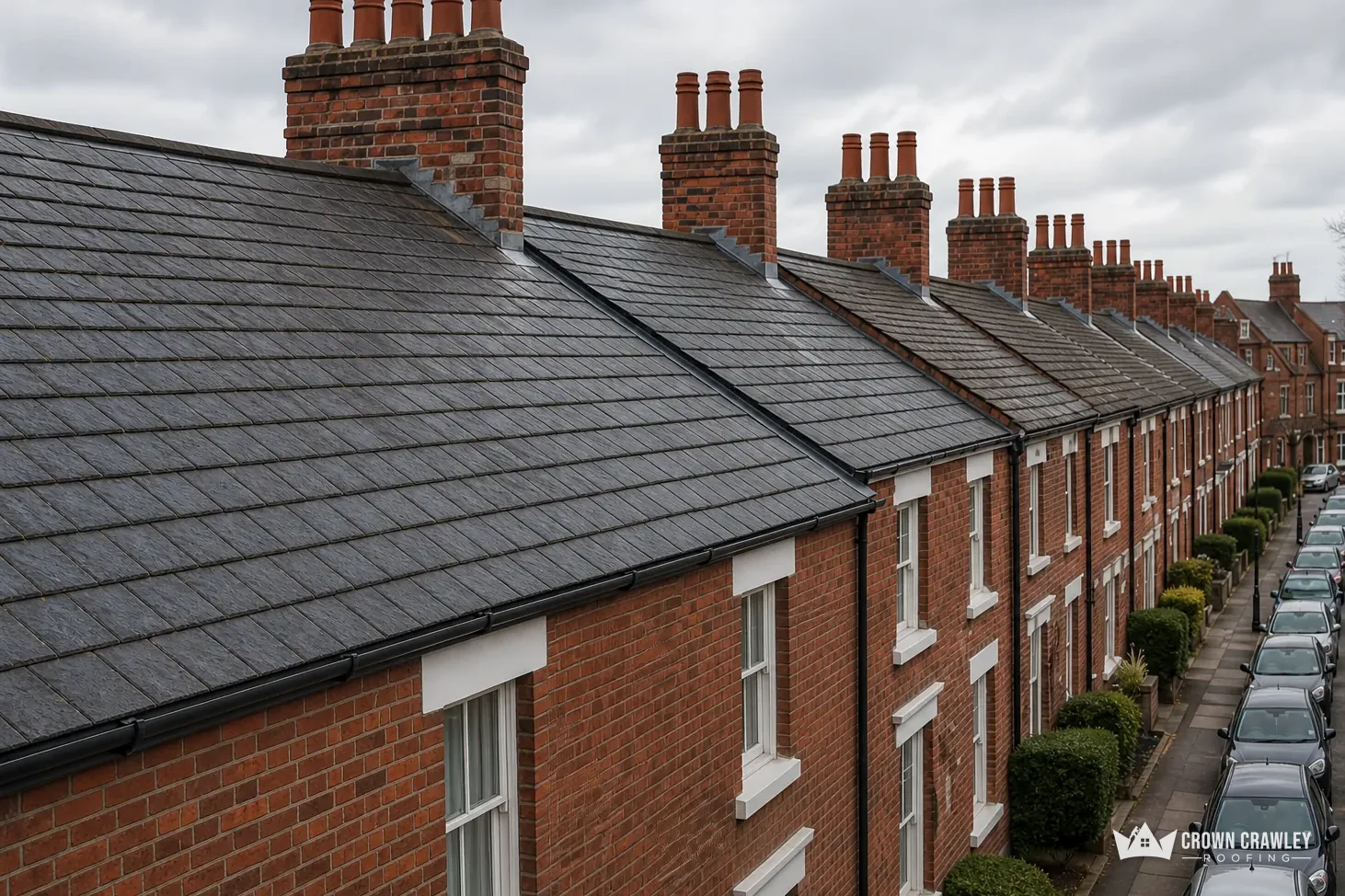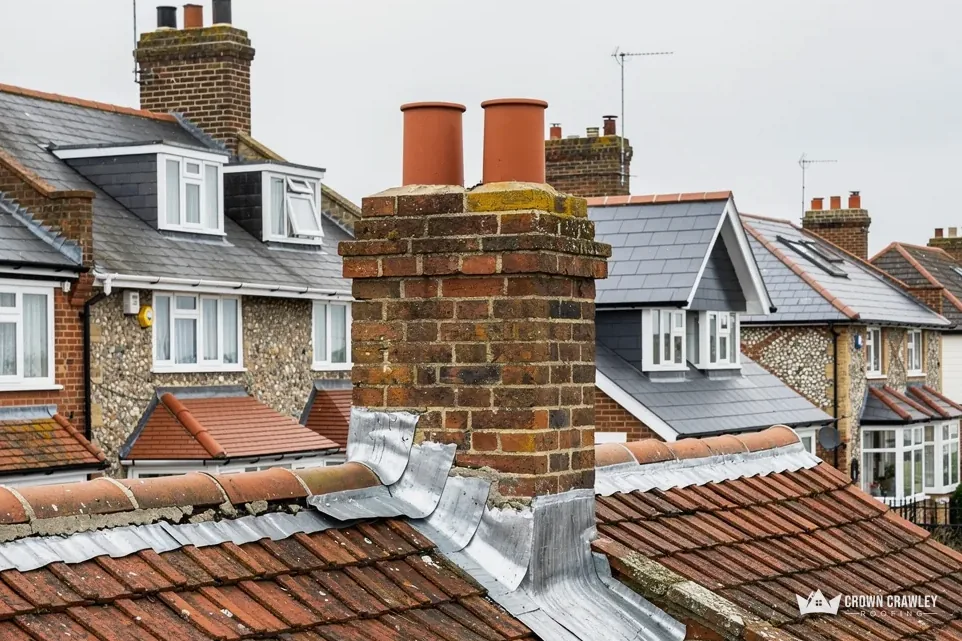
A stack that serves no fireplace can still cost money. Its joints need repointing, its flashing can leak and its pots can loosen, all for a chimney nobody lights. Many owners reach a point where removing the stack above the roof looks like the sensible end to that cycle, and in the right circumstances it is. The roof closes over the gap, the maintenance goes, and the loft often gains a little space.
It is not a minor job, though. Removing a stack means working at height, opening the roof, closing it again with a weathertight finish and leaving the flue and the structure below in a safe condition. If the chimney is shared with next door, or the house is old or protected, more questions arise. This guide covers what is involved from the first survey to the last tile, which consents and approvals to ask about, what a national cost guide shows and what to put in writing before the work begins. It is general guidance and not legal advice.
Is removing the stack the right answer?
Before a stack comes down, it is worth checking that removal is what the situation needs. Some stacks are better repaired, capped or shortened, and a few cannot be taken away without consequences.
When does removal make sense?
The case is strongest for a stack that no flue serves and that you will never use again, particularly one in poor condition. A leaning or crumbling stack that would need rebuilding is a frequent trigger, because the cost of a rebuild can approach the cost of removal. A stack that causes damp, or whose pots and flashing keep leaking, is another. Where the fireplace below is gone or boarded and unlikely to return, taking the stack down gives a permanent answer to a recurring problem.
When is another route better?
If you may want a working fire or stove in future, removal closes that door. If your home has a listing or sits in a conservation area, the stack can be part of what makes the building what it is, and removal may be refused. A stack that is simply tired may only need repointing, and an unused flue may only need capping and venting; repointing and capping the flue are the cheaper options.
Does the stack serve more than your house?
On a semi-detached or terraced house, the stack often sits on the party wall and carries flues for both homes. Taking it down could affect the neighbour's fireplace, so begin by finding out whose flues it carries. Knock on the door early, before the survey, and say what you are considering. A conversation costs nothing, and a surprise during the work can cost a great deal in goodwill and delay.
What removal below the roof line means
When a stack is described as removed to below the roof line, the brickwork above the slope comes down and the roof is made good so that no stump stands above the tiles. It is the usual meaning of stack removal for a chimney that is no longer used.
Why take it below the roof rather than just lower?
A stack cut down to a short stub still has its flashing, its joint with the roof and its top to keep weathertight. A stub also looks unfinished and catches water. Taking the masonry down to or just below the level of the rafters lets the roof be closed with a continuous covering, which removes the joints that used to leak. The trade-off is that the brickwork inside the loft usually stays in place unless you also remove the chimney breast, which is a bigger project.
What about the chimney breast inside the house?
Removing the stack above the roof and removing the chimney breast in the rooms below are separate jobs. The breast often carries the load of the stack above it, and in some houses it also supports floors or the roof. Taking out the stack leaves the breast in place, which is why a stack-only job is simpler and cheaper. Taking out a breast is structural work: the Planning Portal says Building Regulations approval is always needed for it. Our page on chimney breast removal and Building Regulations covers that route.
What happens to the flue?
A flue left open at the roof is a way for water, birds and debris to get into the house. Once the stack is down, the flue is sealed at the top or capped inside the loft, and any air bricks or vents that served it are dealt with in line with building control guidance. We discuss with you how the flue is being closed before the work starts.
Consents to check before anything comes down
This is the part of the job where a wrong assumption causes the most trouble. Three different systems can apply, and each answers a different question. None of this is legal advice; your council has the final say on your own house.
Planning permission and permitted development
Whether a stack can come down without planning permission turns on the house itself and its setting. Class C of the permitted development order, which deals with roof alterations, excludes chimneys, flues and soil pipes from its limits, so do not assume the roof rights cover this. The simplest course is to ask the planning team at your local council, naming your address, before the scaffold is booked. Our page on planning permission to remove a chimney goes into the questions to ask.
Listed buildings and conservation areas
On a listed building, removing a stack is an alteration that affects character, and listed building consent is needed before work starts. In a conservation area, which counts as article 2(3) land, check whether a direction under Article 4 has removed any rights for your street. Councils vary, and nobody can answer for your property without looking at it.
Building Regulations
Work on the structure, including the breast, the stack's support in the loft and the roof closing, can fall under the Building Regulations. Your building control body, which for most homes in our area is the council's own service or a partnership it uses, can tell you whether a notice or application is needed. Put the question in writing and file the answer beside the quote.
If a roofer tells you no checks are needed, ask for that in writing. A responsible one will be glad to see the council's reply before starting, because it protects both of you when the house is sold or surveyed.
How the work is done, from scaffold to retiling
A stack removal follows a clear order, and each stage has a purpose. Knowing the order lets you judge whether a quote has left anything out.
Setting up
Access goes up first. For all but the lowest stacks that means scaffold with edge protection and a platform at chimney level, and a chute for debris. A stack is heavy, and bricks cannot be allowed to fall onto the roof. Where the frame stands over the pavement, the highway authority's licence must be in place before it is erected, and the scaffolding firm can say who makes the application.
Taking the stack down
Birds and bats come first: the roofer looks for an occupied nest, which the law protects from intentional damage, and for any sign of bats, before a single pot is touched. Pots and flaunching come off first, then the brickwork is taken down course by course, working from the top and keeping debris contained. The bricks come down in bags or a chute and are cleared as the work goes on, not left on the roof.
Making the roof good
Once the masonry is down to the planned level, the flue is closed. The lead flashing and the soakers that sealed the stack against the slope are removed. The rafters and battens that framed the stack are checked, then the opening is closed with timber, new underlay and battens, so the slope is continuous. Tiles are relaid to match the rest of the roof, and the old tiles from beside the stack are reused where sound, with new ones where they are not. The result should be a plain slope in which no one could say where the stack stood.
Clearing and handing over
Debris is taken away, gutters below are cleaned out and you get photos of the finished roof.
Structure, loft and the neighbour's flue
What happens below the roof matters as much as what happens above it. A stack is part of a connected structure, and the roofer needs to understand that before the first brick is moved.
What holds the stack up?
A chimney stack is usually carried by the breast below it, which rises through the house. If the breast stays, the stack's load path stays safe. If anyone plans to remove the breast as well, the loft and the floors need a structural opinion, because chimney breasts can carry more than their own weight. A structural engineer or building control officer can advise on a specific house. At survey we report what is visible and do not guess at what is hidden.
What if the stack is shared?
A shared stack needs particular care. If both houses have working flues, the top of the stack cannot simply be taken down, since the neighbour's flue needs to stay open and sound. Even where the neighbour's fireplace is also disused, their flue may need its own cap and ventilation, and the party wall between the houses should not be disturbed. Agree the plan with the neighbour in writing, and ask a surveyor whether any party wall procedure applies to your case. Our page on shared chimney stack repair covers the practical side of joint work.
What about gas appliances and flues in use?
If a boiler or gas fire in either house vents through the stack or a liner inside it, removal is not a simple option. Do not start until a gas engineer has confirmed that nothing relies on it. We would rather pause a job than create a ventilation fault that nobody notices until winter.
Last, tell your insurer and, if there is a mortgage, check whether the lender expects to be told about structural changes.
What stack removal costs and how to prepare
In its October 2026 table, Checkatrade's chimney removal guide shows £260 to £340 per metre of stack and a project figure of around £1,800, with a chimney breast taken out and the stack left at around £2,500. Read these as national guides only. They do not price your stack, and 20% VAT may come on top.
What drives the price?
The height of the stack and how it is reached are the main factors, with the number of flues, the condition of the brickwork and the size of the roof opening to close behind them. Scaffold is a real part of the bill: Checkatrade's repointing table shows a mid-terrace ridge stack reaching about £1,000 once scaffold is needed. A tiled roof with matching tiles costs more to make good than a plain one. Our survey leads to a single written total, and you can ask that figure to spell out what it assumes on access and VAT.
Should you do it alongside other work?
If the roof needs other attention, such as new lead, tile repairs or gutter work on that side, doing it in the same visit shares the scaffold. If the roof is due for replacement soon, removing the stack as part of that job avoids making good a covering that is about to come off.
What should you do next?
Send the address, any listing or conservation area status, a view of the stack from the garden and a line on who uses each flue. The survey then covers the stack and the loft side, and we send photos of the stack and loft as we found them. The chimney repairs hub lists the rest of our work on stacks, pots and flashing.
Part of our Chimney Repairs in Crawley
Stack removal questions
Will taking the stack down make my loft or ceiling cold?
Not in itself, because a sealed, disused flue does not carry heat out. The roof is closed with a proper covering where the stack stood. What matters is that the flue is closed properly, and any vents are left alone unless building control advises otherwise. The survey checks the loft side so the plan can say what happens there.
Can I remove just the part of the stack above the roof and keep the breast?
Yes, and it is the most common arrangement. The breast stays and carries on supporting whatever it holds, while the visible stack and its upkeep go. Removing the breast too is a larger, structural job that brings Building Regulations into play, so it is treated as a separate decision with separate advice.
What if my neighbour's flue is still in use?
Then the stack cannot simply come down. The neighbour's flue has to stay open, sound and safe, and any shared brickwork is handled with agreement. Speak to them first, record what you agree in writing, and have a surveyor advise on any party wall steps. We can make the roof side work around a flue that stays.