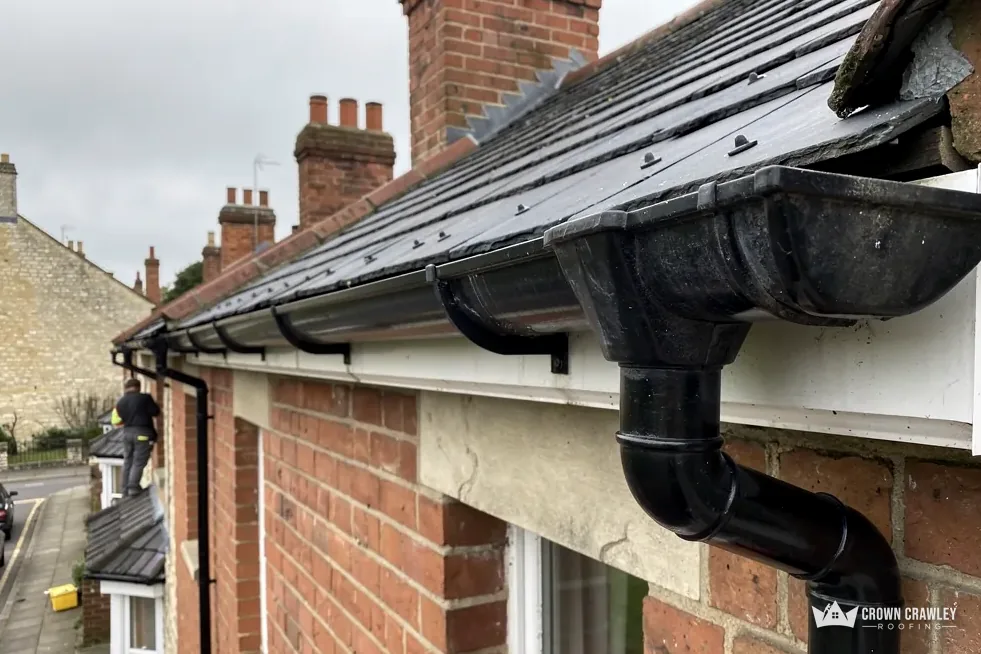
Roofers in Walton on the Hill

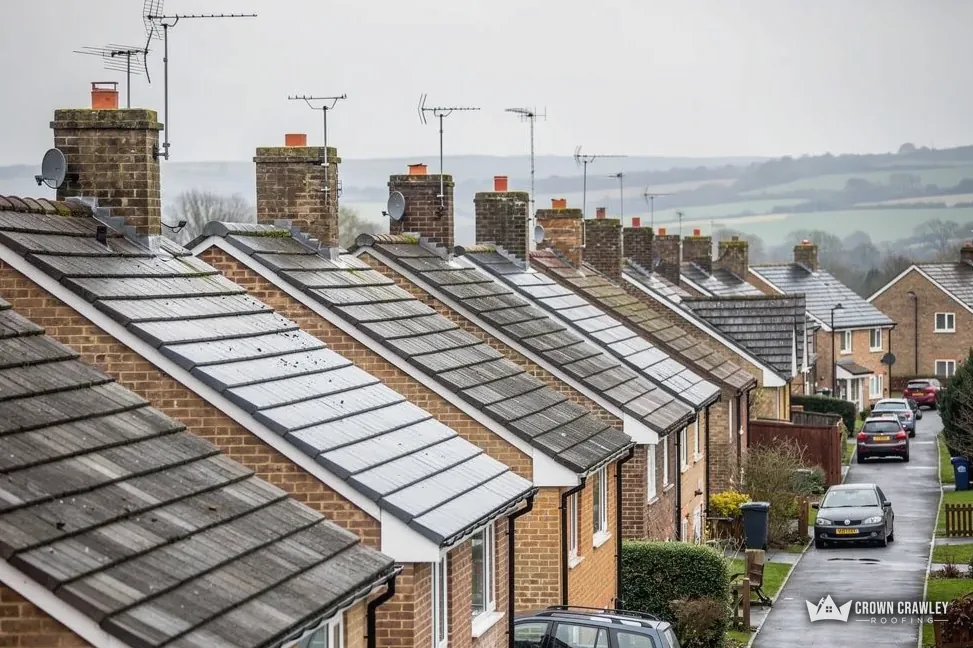
Roofs on a chalk hilltop beside Walton Heath, partly conservation area.

Walton on the Hill is a hilltop village beside Walton Heath, with a Grade II* church and a conservation area covering part of it. Roofs here deserve a careful, matching repair.

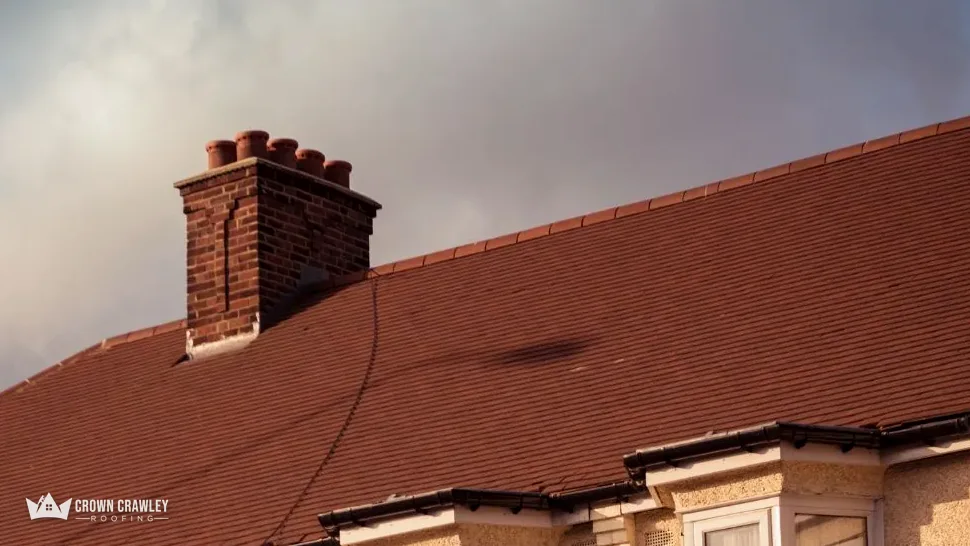
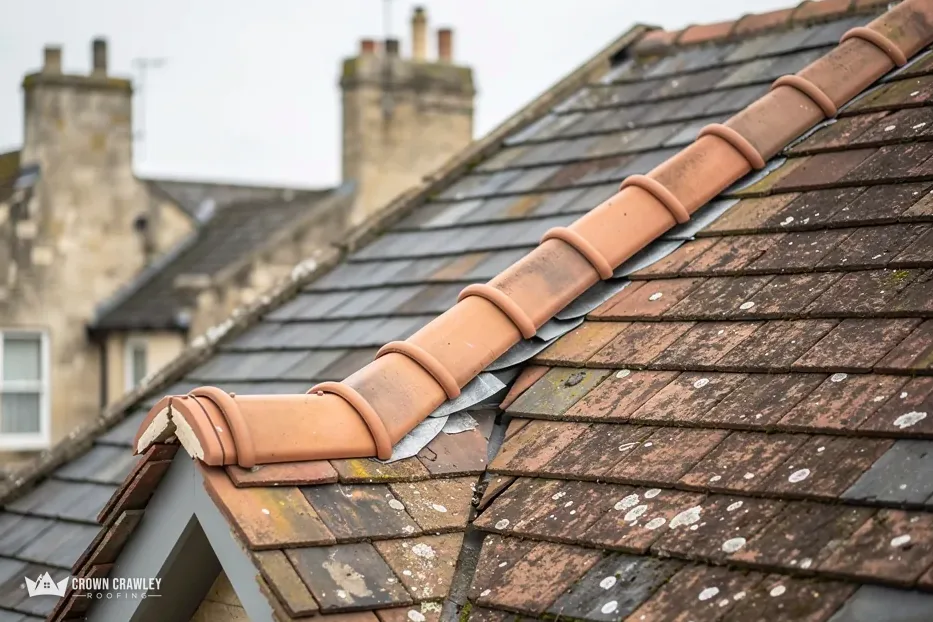
Clay ridge tiles along the hip of a weathered tiled roof

Walton on the Hill roofscapes, close up

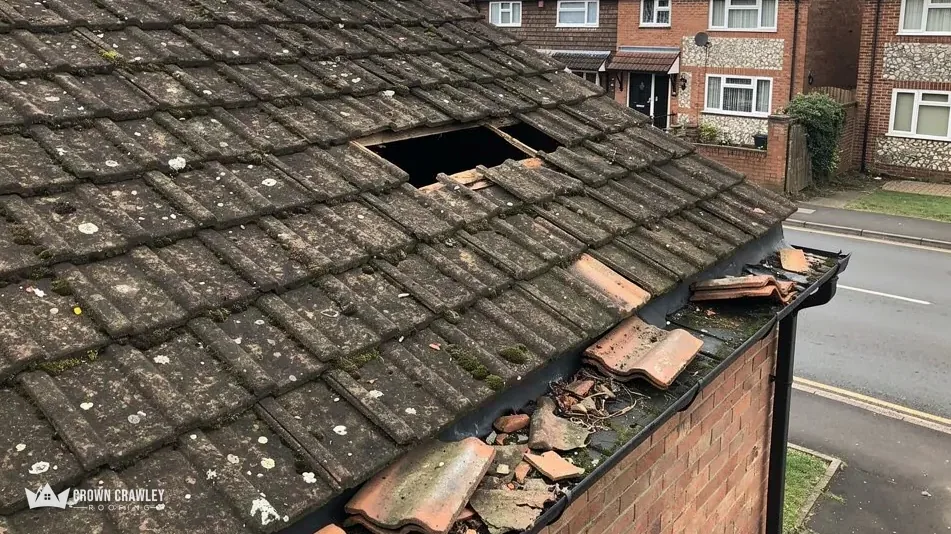
Storm-damaged tiled roof with the battens exposed and tiles on the ground

Houses in the conservation area

Some streets fall inside the Walton on the Hill conservation area. A repair that matches the old tiles and details is far easier to agree than a change of covering, so we record what is there first.

Village street with tiled roofs

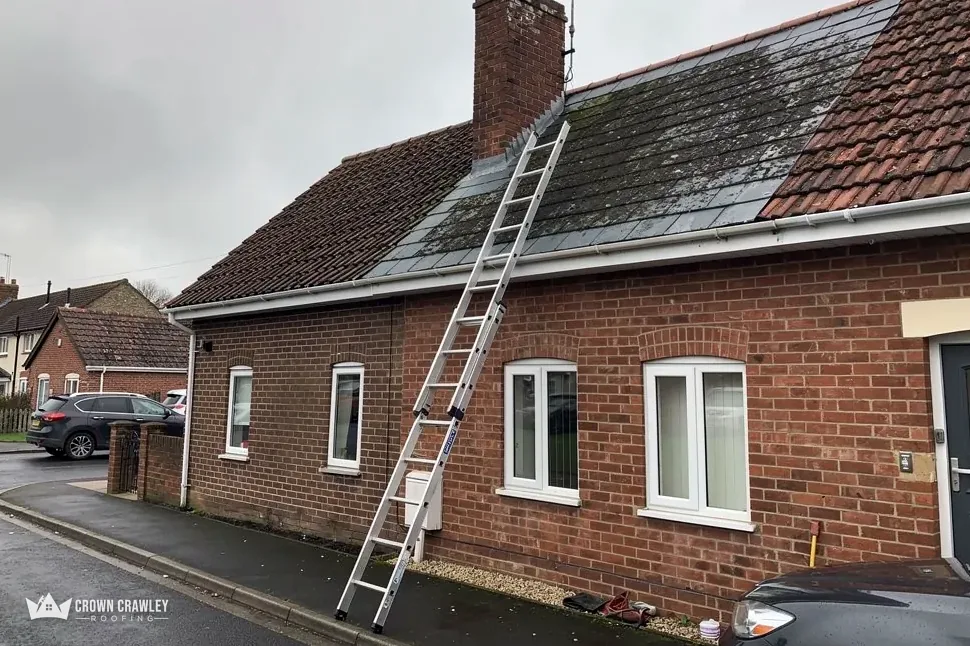
Brick bungalow with a ladder leaning against its tiled roof

Listed buildings

The Church of St Peter and Walton Manor House are both Grade II*, and number 43 is Grade II. Roofs on listed buildings need care over materials, fixings and any alteration to the look of the roof.

Historic building with a tiled roof

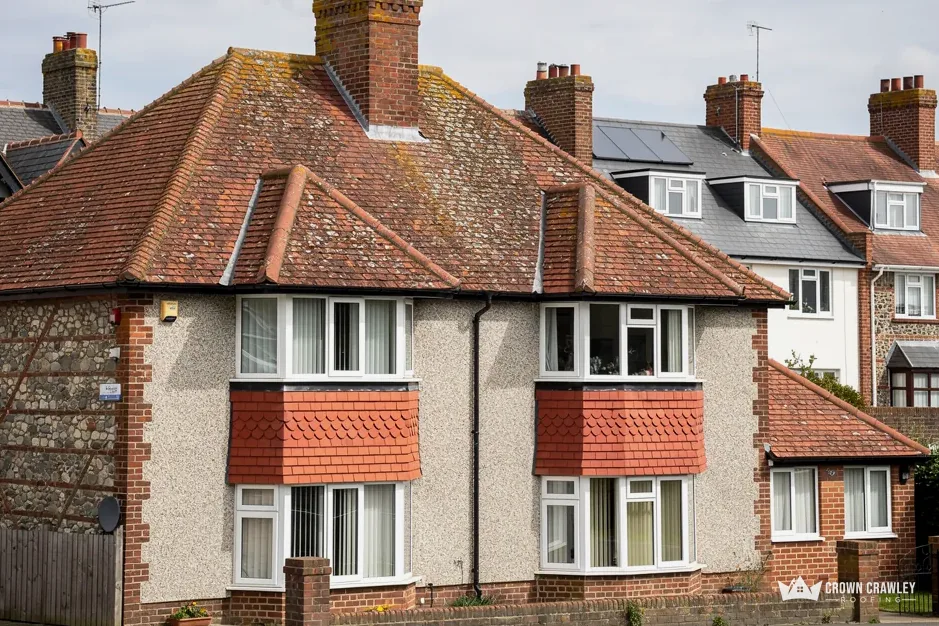
Pebbledash semi-detached house with a red clay tiled roof and bay windows

Exposed hilltop homes

The parish sits on a chalk hilltop, and Walton Heath reaches 613 ft. A roof up here meets more wind, so ridge and verge fixings and the edges of the covering get extra attention.

House roof against open sky

Walton on the Hill, above Reigate and Epsom

Map of Walton on the Hill and the neighbourhoods around it, with Crawley for reference.

Walton on the Hill is a hilltop village on the chalk, five miles north-west of Reigate and four and a half miles south of Epsom.

Distance
19.3 road miles from Crawley, to the north
Drive
About 26 minutes
Council
Reigate and Banstead Borough Council and Surrey County Council
Planning authority
Reigate and Banstead Borough Council
Conservation area
Walton on the Hill
Planning notes
Walton on the Hill conservation area covers part
Church
St Peter, Grade II* listed
Get a free quote

Stage notes: Walton on the Hill

Reading the roofs of an ancient hilltop settlement

What a very old settlement tells us about its roofs, how the conservation area shapes a repair, and the Reigate and Banstead and Surrey checks that come with a bigger job.

Stage 01 · Background

Tiles on the hill since Roman days

Roman tiles turned up on Walton Heath in 1772, and the manor house keeps a hall of about 1340.

This is an old place, and the records say so. The Victoria County History reports that Roman remains found on Walton Heath in 1772 included tiles and a coin of Vespasian, and that later digging uncovered part of a hypocaust. The same account describes the manor house as containing, amid much modern work, a stone-built hall of about 1340 with a chapel of the same date at its south-east corner. You will not find a Roman tile on a roof in Walton today, but the point stands: people have been putting coverings over their heads on this hill for a very long time, and the buildings that survive have usually been mended many times.

What does a long history do to a roof?

It leaves layers. A roof that has been repaired over generations can hold tiles of several ages, odd lengths of lead, a ridge that was rebuilt twice and a gutter that was never quite level. The County History describes the church walling as flint with blocks of Reigate stone, with the chancel buttresses refaced in red brick, which is a neat example of one building carrying the repairs of several periods. We treat a roof the same way. Before we price, we photograph each slope and mark the patches, because patches show where water has been coming in.

On a Walton on the Hill roof

Past repairs
Patches that no longer match
Ridge
Fixed down against hill winds
Walls
Flint, brick or stone meeting roof
Tiles
Colour and texture to match
Lead
Flashings sound at every joint
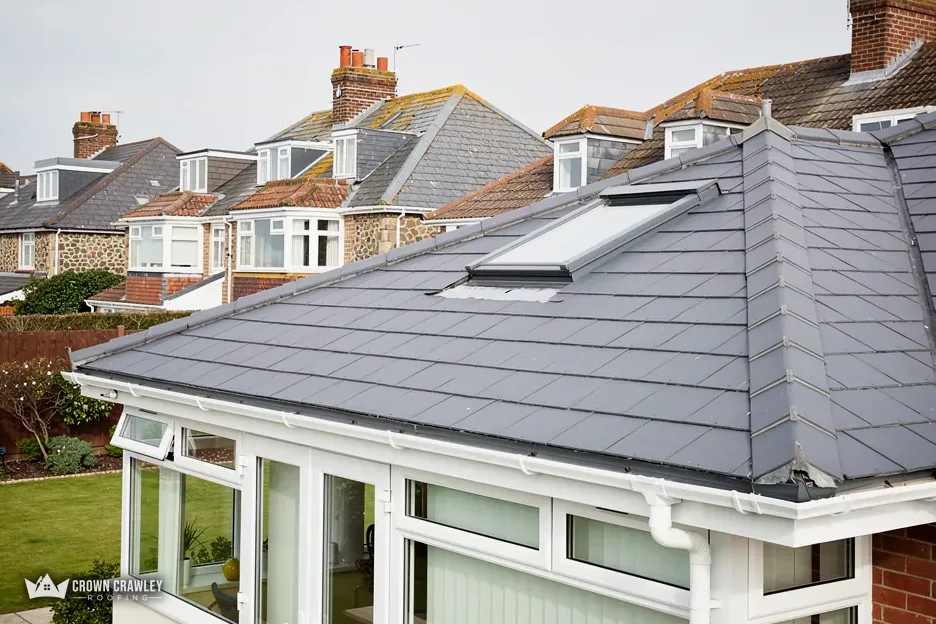
Slate-effect roof over a conservatory on a suburban house

How does the hilltop affect what we check?

The parish lies entirely on the chalk hilltop, capped with brick-earth, clay and gravel, and Walton Heath reaches 613 ft. A roof in that position meets wind from every side. We pay particular attention to the ridge (the capping tiles along the peak), the verges where a gable meets the sky and the lower edge over the gutters, since those are the places where wind first gets a grip. Where tiles have lifted or the bedding has cracked, we explain whether a few replacement tiles will do or whether the whole run along that edge wants relaying.

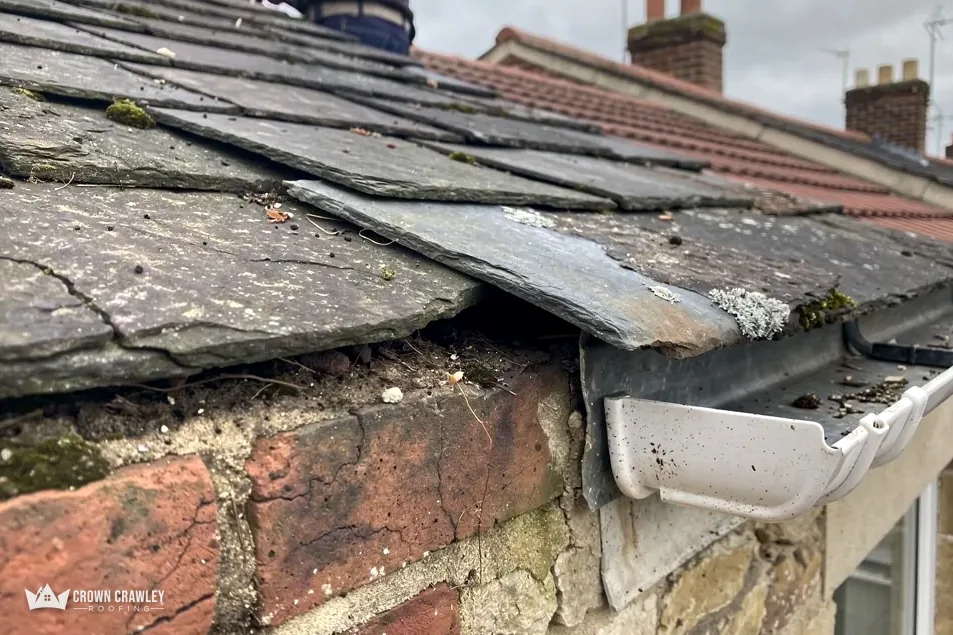
Where an older Walton house meets its roof at a brick or flint wall, that join is where lead flashing does its work. A lifted edge or a split joint can pass rain behind the lead, down into the wall, so we look at every junction before we look at anything cosmetic. Once the survey is done, our pitched roofing page shows what repairing tiles, battens and underlay involves.

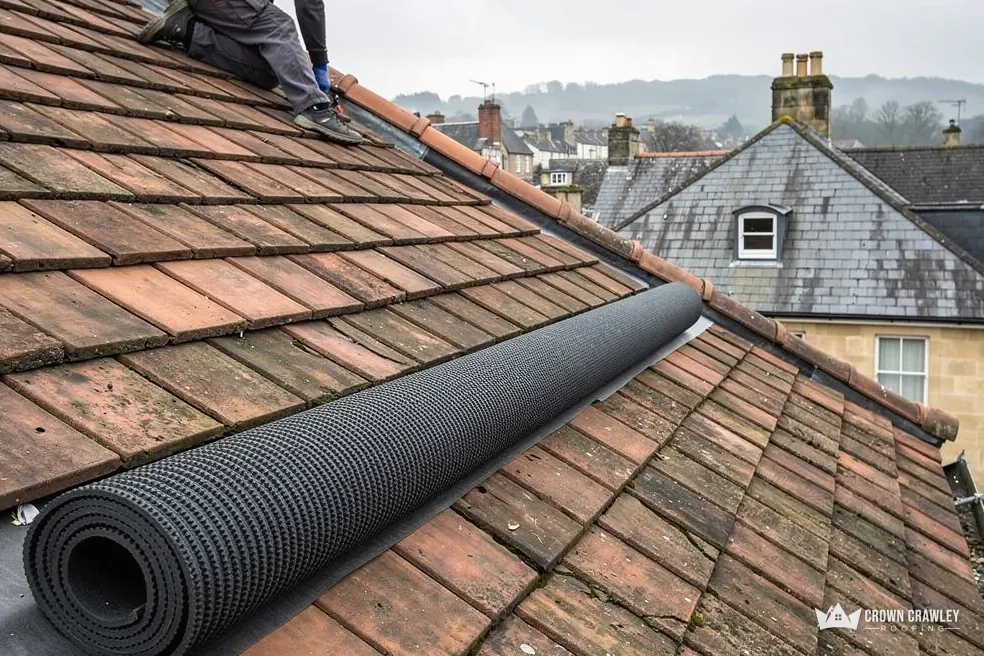
Roll of roofing membrane lying on a clay tiled roof

Stage 02 · Heritage

Repairs inside the conservation area

One conservation area covers part of the village, and two buildings are Grade II*. Matching the old roof is the safest repair.

The national planning dataset places a conservation area, also called Walton on the Hill, over part of the village, and the borough council has published draft character appraisals for its conservation areas. St Peter's church and Walton Manor House are each recorded at Grade II*, with number 43 at Grade II. A leaking roof can still be mended in all of these. What changes is the order in which we do things.

Do I need permission for a roof repair here?

Fitting an identical tile, in the course it came from, leaves the street scene untouched, and that normally closes the matter. Moving to a different covering material, cutting in a new window or reshaping a stack is another kind of job, and in a conservation area or on a listed building you raise it with the council before ordering a thing. Our post on planning permission for roof work explains the dividing line, and Reigate and Banstead's planning team can say which side of it your address falls on. The area covers only part of the village, so your exact address matters. Ask the council for the boundary rather than guessing from the house next door, because a property on the edge may sit just in or just out.

Words that matter here

Conservation area
Place where planning protects local character
Grade II*
Listing for particularly important buildings
Matching tile
Same colour, size and texture
Flashing
Lead dressed over a wall-to-roof joint

In a conservation area, the best repair is the one nobody notices from the street.

How do we make a repair blend in?

By starting with the old roof. We note the tile size, the colour range, the way the courses are laid and the profile of the ridge, then look for tiles that sit comfortably beside them. New tiles are brighter and flatter than weathered ones, and a patch of them can stand out for a year or two, so where we can we reuse sound tiles from a less visible slope and put the new ones there. On older roofs the tiles can differ slightly in size, which is one reason a carefully laid repair looks better than a quick one, and why we set out a few courses dry before fixing a single tile.

Lead needs the same care. Flashings, soakers and valley linings are where a historic roof is most likely to be letting water in, and a split can be mended or a short length renewed without touching the tiles around it. We show you the damaged section before we replace it, so the work stays proportionate to the fault, and we tell you when a short repair is enough.

Stage 03 · Permissions

Reigate and Banstead rules, Surrey scaffold

The borough council decides planning, the Southern Building Control Partnership handles building control, and Surrey County Council licenses scaffolding.

Small repairs raise few formalities. A larger job raises some, and in this corner of Surrey you deal with the borough council over planning, a three-council team over building control and the county over the road outside.

At what size does a Walton on the Hill roof job need approval?

The Planning Portal gives two thresholds for an existing roof: under 25 per cent of the building envelope and under 50 per cent of the roof, below which an application is normally unnecessary. It adds that a heavier covering, by 15 per cent or more, or a covering whose fire performance would differ sharply from the old one, brings approval into play. The borough's own building control page names the partnership as its team, so you can also ask them directly. Reigate and Banstead's building control comes from the Southern Building Control Partnership, which also serves Mole Valley and Tandridge. If our survey points to a large re-cover on a Walton roof, we ring the partnership ahead of booking, and you see its reply. Our roof replacement page covers a full new roof from strip-out to handover.

Who to ask about a larger job

Planning
Reigate and Banstead Borough Council
Building control
Southern Building Control Partnership
Highway
Surrey County Council licence
Charge
£208 per 28-day period
Wildlife
Pause if a roost is suspected
Terraced street with new grey tiled roofs

Where does the scaffold go?

On Walton's lanes and footways, Surrey County Council is the body that licenses scaffolding. The published rate is £208 for each 28 days, applications should reach the county at least 10 working days before the date wanted, and a layout drawing goes with them. Where a licence is called for, the scaffolder and ourselves deal with the paperwork, a layout drawing included, and set the first day around the notice, so nothing is erected before the licence is in place. We also tell neighbours the dates the scaffold arrives and leaves, and keep the path and the drive usable where we can.

What if we find a bat?

A heathside village like this can have bats in its lofts, and the law protects them and their roosts; government guidance counts roof work among the jobs that can affect them. Any sign of a roost in the roof space means we stop and talk to you about the proper next step before touching anything nearby. To begin, email us a shot of the slope or lead flashing that worries you, with your Walton on the Hill postcode.

Common Walton on the Hill roof queries

My Walton on the Hill house sits inside the conservation area. Can the roof still be repaired?

It can. A repair that restores matching tiles in the original laying leaves the house looking unchanged. Changing the covering or cutting in a new roof window is a bigger step, so we ask Reigate and Banstead's planning team before ordering anything. Since the area covers only part of the village, we first check where your address falls.

How do you match new tiles to weathered old ones?

We measure and photograph the existing tiles, note their colour, size and laying pattern, and look for the closest match. Where we can, sound old tiles go on the visible side and the new ones go on a slope nobody sees from the street. Fresh tiles look bright for a while, and weather evens that out.

Is a lead roof detail worth keeping on an old house?

Often yes, if it is sound. Lead flashing can last for over 80 years, one cost guide says, so a split or a lifted edge can be mended or a short length renewed without stripping the lot. We show you the damaged section and the surrounding lead so the repair is proportionate to the fault.

Does the hilltop mean my roof needs extra fixing?

It means we look harder at what holds the edges down. Walton Heath rises to 613 ft and the village stands on the chalk hilltop, so the tiles along the ridge, hips and verges take plenty of wind. The BS 5534 guidance leans towards clips or screws on anything bedded, and we check what you have and what we would add.

Walton on the Hill roof price, in writing

Share a picture of the tiles or lead that worry you with your Walton postcode, and we reply with a survey day.

01293 974253

10-year workmanship guarantee, in writing.

Call Get a free quote