Roofers in Rotherfield

Roofs beneath a conservation area, a National Landscape and a church.

Rotherfield lies in the High Weald, has a conservation area over part of the village and keeps a Grade I parish church. We check which of those apply to your roof before we price it.

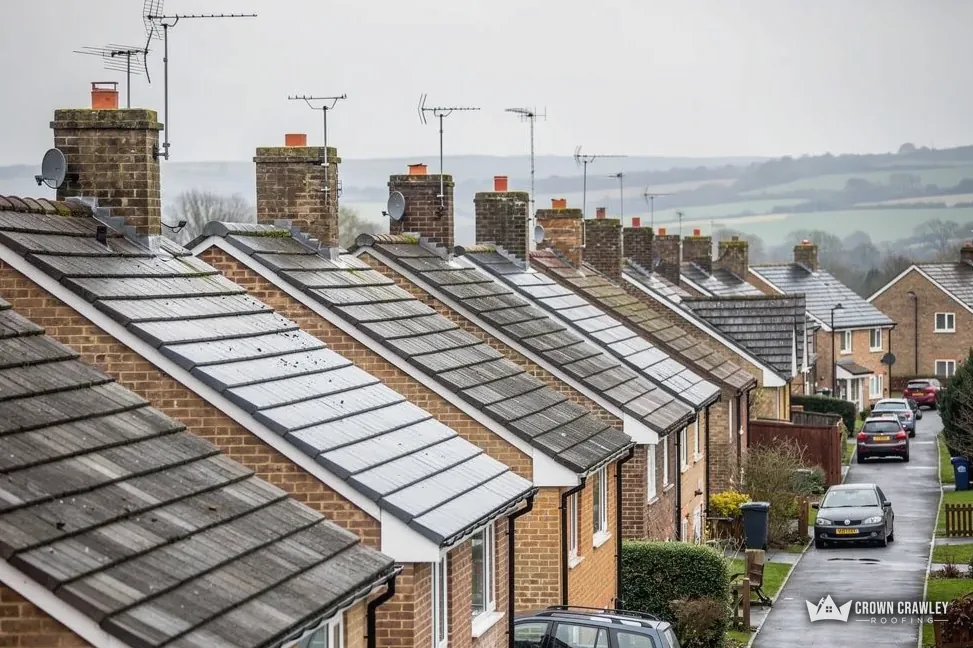
Terraced street with new grey tiled roofs

Roofs in Rotherfield: what to expect

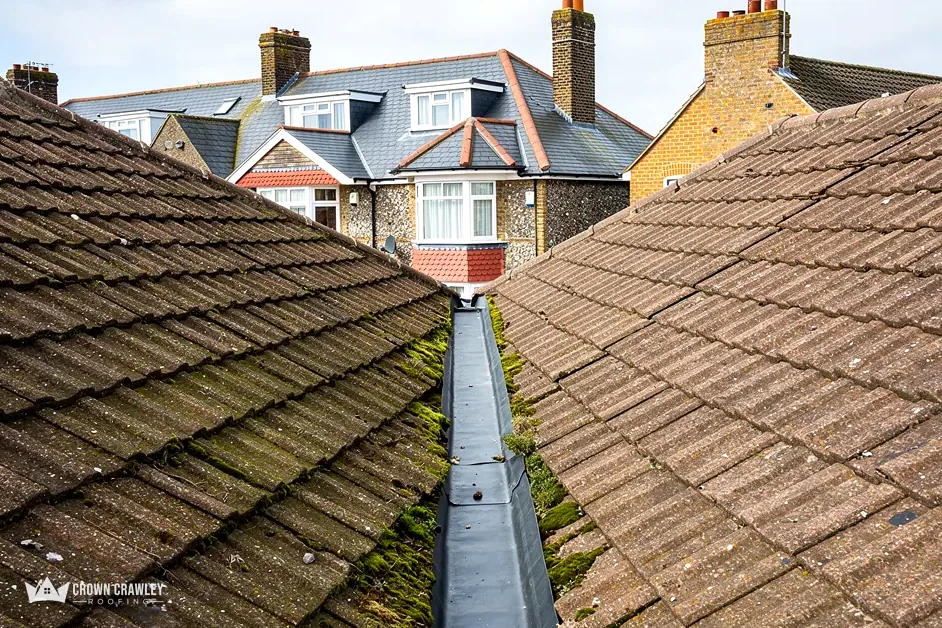
Lead-lined valley gutter between two tiled roof slopes

Streets inside the conservation area

Rotherfield's conservation area was first designated in 1997 and extended on 22 March 2017. It reaches only some streets, so we confirm with Wealden's planning team whether your address falls inside it.

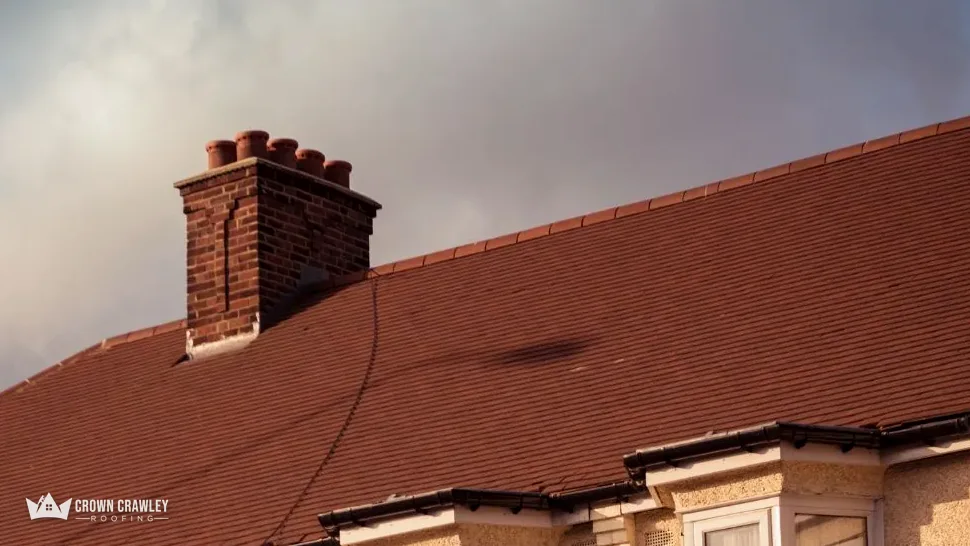
Tiled village roofs along a street

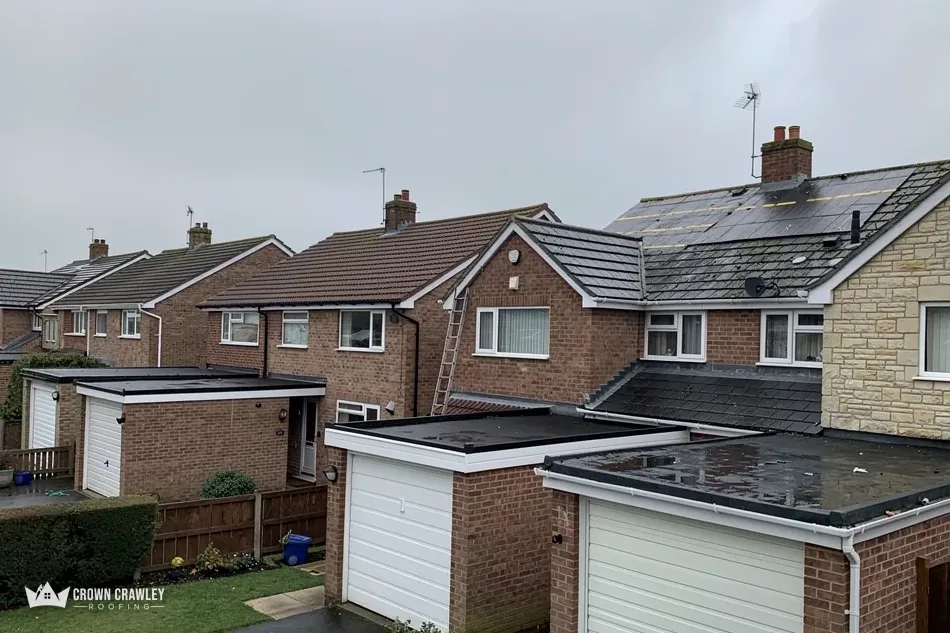
Flat-roofed garages at the back of semi-detached houses

Houses in the High Weald

The village stands in the High Weald National Landscape, which covers 1,461 square kilometres and takes in parts of three counties. Planning rules for dormers differ there, so a loft plan starts with the council.

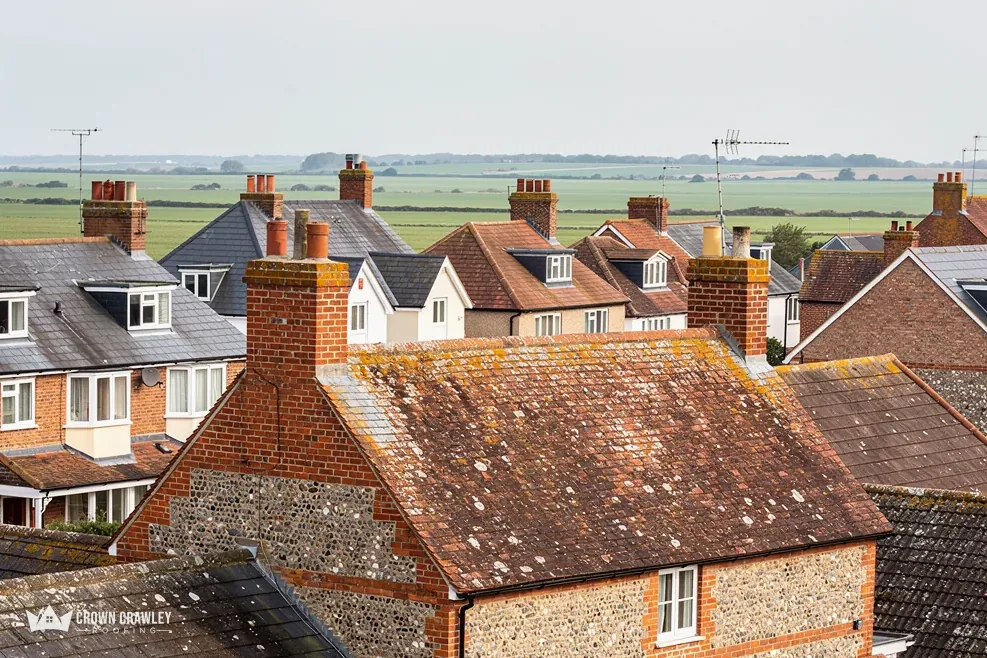
Roofs among trees and fields

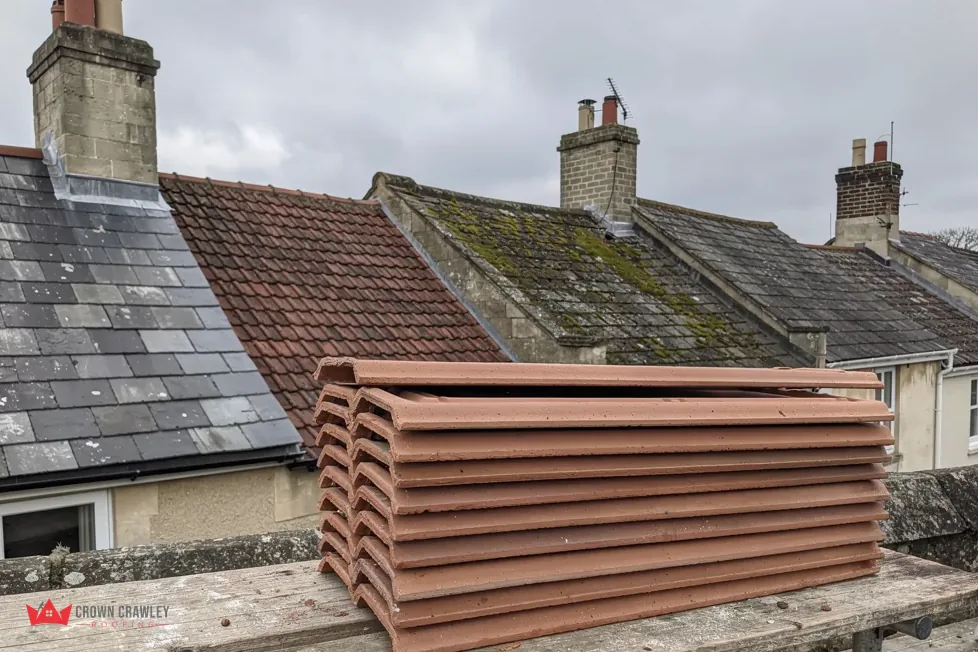
Stack of clay ridge and hip tiles on a flat roof

St Denys and the listed cottages

The Parish Church of St Denys is Grade I, while 1 and 2 Church Cottages and 1 High Street are Grade II. Before we price a listed roof, its consent route has to be clear.

Old church beside tiled cottages

Rotherfield, in the High Weald

Map of Rotherfield and the neighbourhoods around it, with Crawley for reference.

Rotherfield is a village in the High Weald, east of Crawley, in East Sussex, with Wealden District Council as its planning authority.

Distance
22.4 road miles from Crawley, to the east
Drive
About 44 minutes
Council
Wealden District Council and East Sussex County Council
Planning authority
Wealden District Council
Conservation area
Rotherfield Conservation Area (designated First designated 1997; reviewed and extended, additional areas designated 22 March 2017)
Population
1,222 (Census 2021, Rotherfield built-up area)
Get a free quote

Rotherfield from the scaffold

A conservation area, a National Landscape and a church

Three short chapters on what the designations mean for a roof, how listed and church roofs are approved, and who handles the paperwork on a bigger job.

Stage 01 · Designations

Conservation area and High Weald

Two designations overlap in Rotherfield, and each one affects what can change on a roof before any tile is lifted.

Two layers of protection meet over Rotherfield. The council designated the conservation area in 1997, then reviewed it and added further areas on 22 March 2017. Separately, the High Weald National Landscape, which the planning system treats as protected land, takes in the village. Neither label says anything about your tiles. The survey does, and we begin it with no assumptions.

Does the conservation area stop a Rotherfield roof repair?

Not by itself. Putting back slipped tiles with matching ones, rebedding a ridge or renewing a lead valley keeps the street scene unchanged. The designation matters for the larger decisions: moving from tile to slate or the reverse, putting a roof window in a slope that faces the road, or building a dormer. Ring Wealden District Council's planning team about those before the survey rather than after the quote. Our post on re-roofing in a conservation area sets out what a council tends to weigh up.

Why does a loft plan start with the council here?

A National Landscape counts as protected land in planning terms, which narrows what may be added to a roof without an application. The answer for your house turns on its exact position and on any direction the council has made. So ask Wealden before the drawings. With its view in hand, we can price the roof side and say what the structure beneath the slope would need.

Inspecting Rotherfield roofs

Covering
Matches what the street shows
Slopes
Which face the road
Ridge
Mortar or caps still fixed
Chimney
Flaunching and flashings sound
Gutters
Fall and joints clear of leaks
Flint-walled house with a mossy clay tiled roof overlooking fields

What does a close look at an older village roof involve?

Time at the edges and the joints, because that is where weather gets in first. We study the bedding under the ridge, the flaunching (the mortar bed around each chimney pot), the flashings where slopes meet walls, and each valley, the trough where two slopes meet. We tap tiles for cracks, lift the odd one to see the nail, and check that battens still grip. Valleys and the joints beside chimneys get the closest look, since they carry the most water when it rains hard. Our pitched roofing page describes how we mend tiled and slated slopes. Where a stack leans or its mortar has crumbled, the chimney repairs page explains the work, and a snapshot from the garden helps us plan what to inspect first.

At the eaves we check the fascia boards, the soffits and the gutters together, because a gutter that sags or leaks at a joint sends water back towards the first course of tiles. Clearing and re-hanging a gutter is often a modest job that spares the tiles and the fascia from repeated soaking.

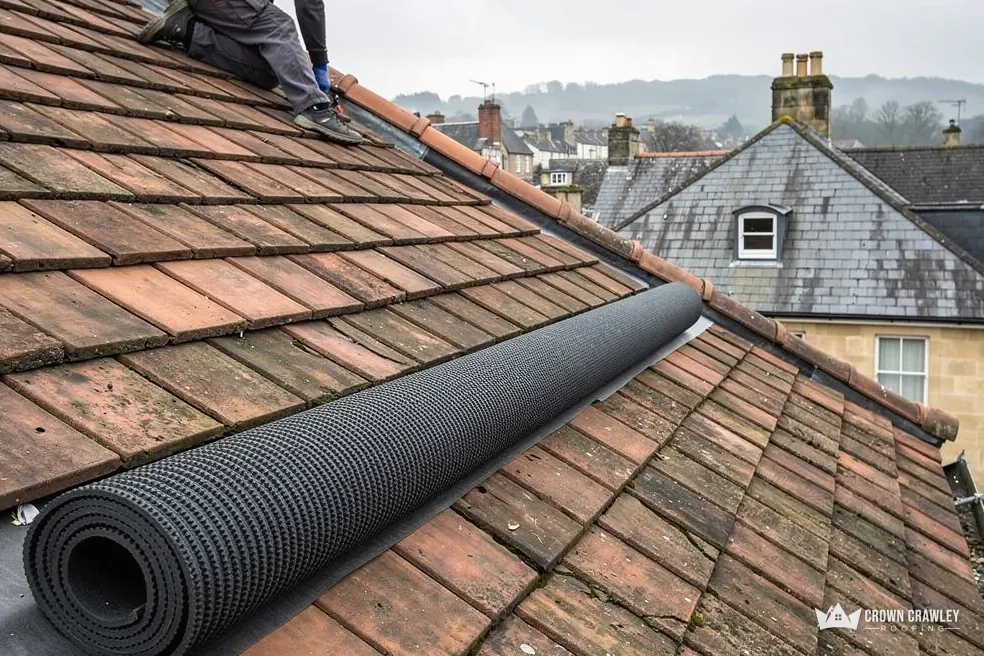
Roll of roofing membrane lying on a clay tiled roof

Stage 02 · Consent

Church, cottages and listed roofs

St Denys and its Grade II neighbours each follow a different consent route.

On the national register, St Denys is entered as Grade I, first listed on 26 November 1953. Two Grade II entries sit near it: 1 and 2 Church Cottages, and 1 High Street. For a listed house or shop the permission needed is listed building consent, issued by the council, and it applies to work that would change the character of the building. Whether a particular repair does that is the council's call. Roofs side by side can therefore be handled in two ways, even if the tiles look alike from the road.

Who approves work on St Denys itself?

The church is still used for worship and belongs to a denomination with its own approval system. For roof work on the building, the permission is therefore a faculty rather than listed building consent, and the diocese is where that conversation begins. Government guidance warns that a church's exemption from listed building consent is no exemption from planning permission when the exterior is affected, so a parish should speak to Wealden as well. Church officers can ask us to inspect a roof and write a report, but the faculty comes before any date is booked.

Consent words for old roofs

Faculty
Anglican consent for work on a church
Exempt denomination
A church using its own consent system
Listed building consent
Council approval for houses and the like
Grade I
Top grade of a listed building

What should I bring for a listed cottage roof?

The list entry. It gives the address and the date of listing and lets the council answer quickly. Then we survey and photograph every slope, plus the ridge, verge and flashings, noting the size and colour of what is there. A repair in the same material, size and fixing gives the council the least to weigh. Where lead forms part of the roof, in a valley or around a stack, we report its condition before the price is written, since lead often decides whether a leak is a small job or a larger one. Royston Lead's brochure lists codes 4, 5 and 6 for flashings, and we say which code is on your roof.

Where one cottage roof runs on into its neighbour's, we plan any repair so both sides are left sound, and we tell each household what happens day by day. Our roof replacement page covers a full new roof, should the survey point that way, with the consent route settled first. For a church committee the same applies: our report is something to hand the diocese, not a substitute for its approval.

Stage 03 · Permissions

Who handles the paperwork on a bigger job

Rotherfield answers to Wealden District Council and East Sussex County Council, and each holds its own piece of the paperwork for a bigger job.

Paperwork on a Rotherfield job comes from two directions. The district side is Wealden, which decides planning matters and whose building control belongs to a partnership of four councils. The county side is East Sussex, whose highways arm issues scaffold licences. Knowing which office answers which question can save a week.

What does the building control partnership cover?

The East Sussex Building Control Partnership works for Wealden and three neighbours: Eastbourne, Hastings and Rother. Once a job grows large enough to ask the question, it is the office that decides whether an application is needed. The Planning Portal's rule of thumb is built on 25 per cent of the building envelope and 50 per cent of the roof, and it separately names coverings that raise the roof's weight by 15 per cent or more. A small repair sits comfortably below all of those lines, and we flag it in the quote if yours does not.

What Wealden and East Sussex decide

Planning
Wealden District Council
Building control
East Sussex Building Control Partnership
Scaffold licence
East Sussex Highways, if on the road
Extension
Apply 5 working days before expiry
Private ground
Outside the highway licence
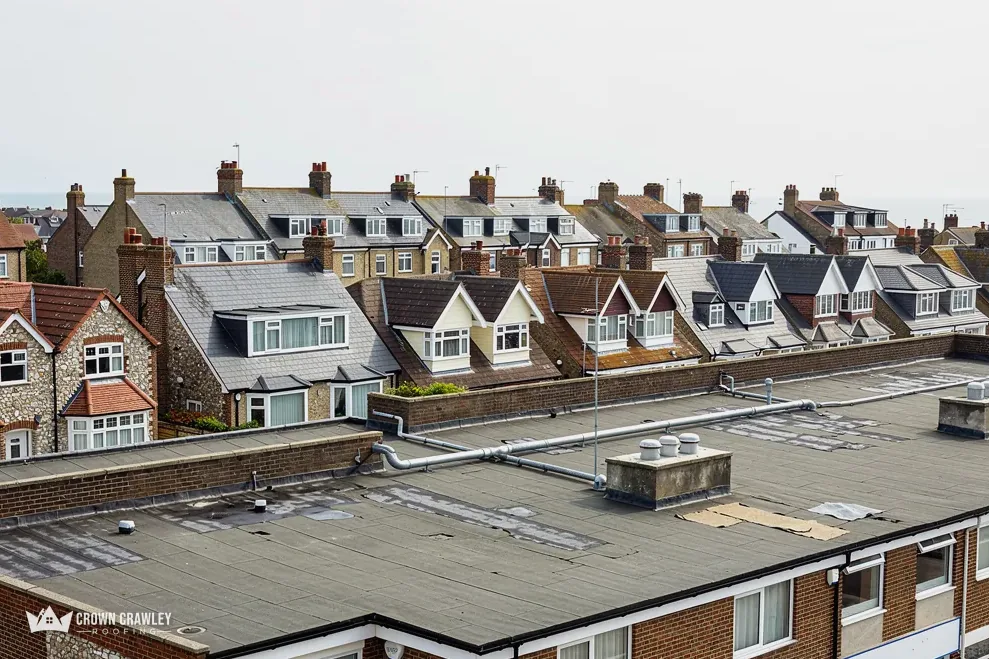
Flat roof in the foreground of a street of dormer-roofed houses

What do East Sussex Highways ask for scaffold on the road?

A licence for a period of 28 days, with the fee paid up front and before it is issued. Should the work run past the licence period, East Sussex Highways wants any extension applied for five working days or more ahead of expiry. The published terms do not state who files the application, so we put that to the scaffolder at the outset, and the start date follows the reply. Because the fee is paid before the licence is issued, that step is worth settling early.

Can the scaffold stay on my land instead?

Often it can. Scaffold on a drive, a front garden or a back lawn is not on the highway, so no highway licence comes into it. Where a plot is tight, the survey includes a walk round it, and we work out whether the scaffold, the skip and the delivery of materials can all be kept off the road. If they cannot, the licence and its fee form part of the plan from day one, and the written price says whether they are included.

Before work starts, we agree access with you, let the neighbours know when the scaffold will go up, keep the site tidy while it stands and tell you each day what is being done and what comes next. You are given a single written total, which makes it easy to set beside any other quote you hold. Tell us your postcode and show us the stack or slope that worries you, and the survey follows.

Common questions in Rotherfield

Do I need to ask Wealden before a roof repair in Rotherfield?

Only part of Rotherfield is in the conservation area, so first check whether your address is inside it. Putting back matching tiles is a different thing from switching the covering or adding a roof window, which is where the council's view matters. If you are unsure, ask Wealden District Council's planning team, and we hold the quote until it replies.

Which council deals with building control in Rotherfield?

None of the councils alone: the East Sussex Building Control Partnership does it for Wealden, and also for Eastbourne, Hastings and Rother. It is the body to ask when a re-roof is large, when the covering becomes heavier or when a loft is altered. Ask before you commit, and we can wait for its answer. Small repairs sit below the Planning Portal thresholds, and we say in the quote when yours is close to one.

Does East Sussex say who applies for a scaffold licence?

Its published licence terms are silent on that, and refer only to the licensee. So we ask who is putting in the application before a date is fixed. East Sussex Highways publishes the fee for a 28 day licence, and it wants extension requests in five working days before expiry, with the fee due when you apply.

Who gives consent for roof work on a Church of England church?

For an Anglican church in use, such as St Denys, the route is a faculty, not listed building consent. Exemption from that consent does not excuse a parish from planning permission where the exterior changes. A parish should ask its diocese and the council before inviting a quote, and we can supply a roof report to go with the request.

Your roof in Rotherfield: next step

Share a postcode and a snapshot of the stack or slope you are unsure of, and we will book a visit.

01293 974253

10-year workmanship guarantee, in writing.

Call Get a free quote