Roofers in Lowfield Heath

Roofs on a former common inclosed in 1846, beside Gatwick.

Lowfield Heath was a large common on the Sussex border until it was inclosed in 1846. We survey the roof in front of us, share the photos, then give one written price.

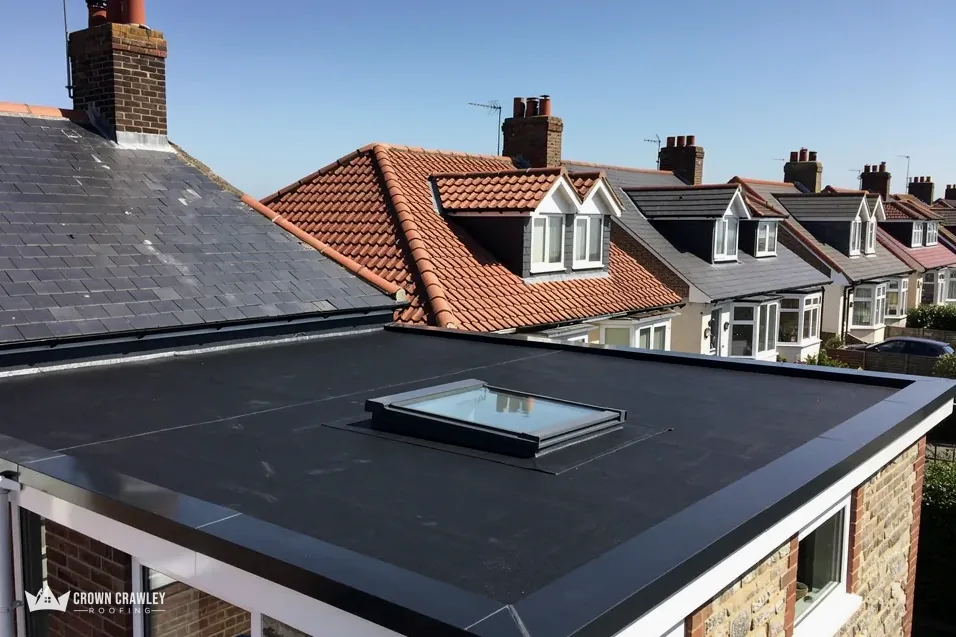
Black flat roof with a rooflight on a house extension

Roof types across Lowfield Heath

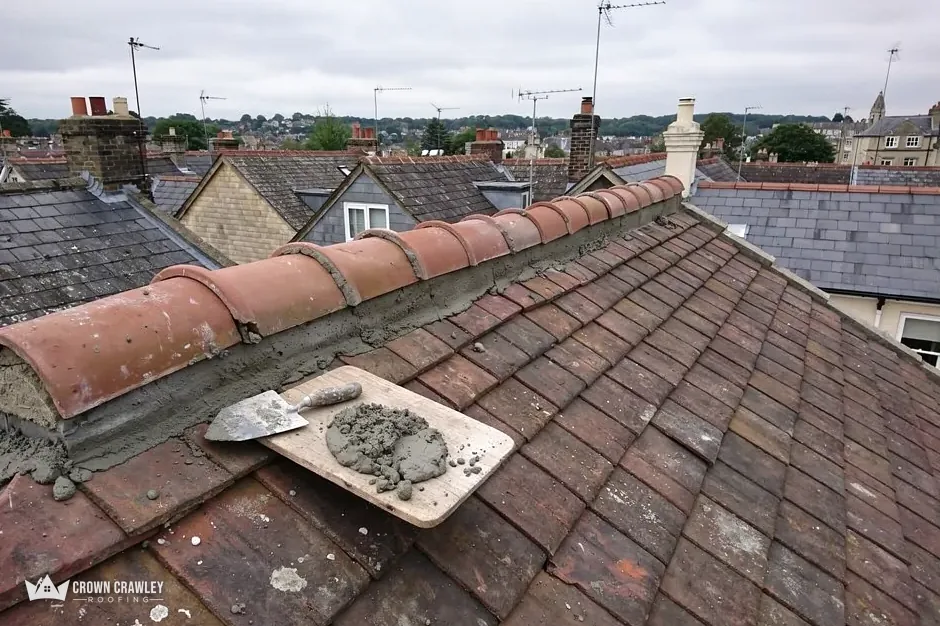
Ridge tile bedded in fresh mortar with a trowel resting on the roof

Cottages dating from about 1700

Oak Cottage and County Oak Cottage, on the south-west edge of the old heath, were built by about 1700. A roof of that age needs its timbers and covering read with care before anyone proposes a change.

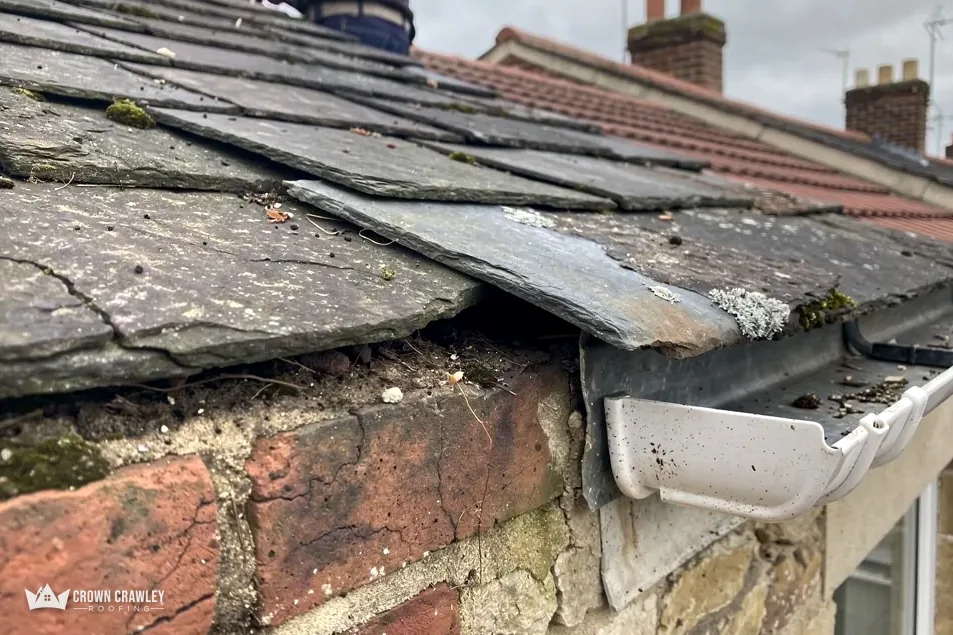
Old tiled cottage roof

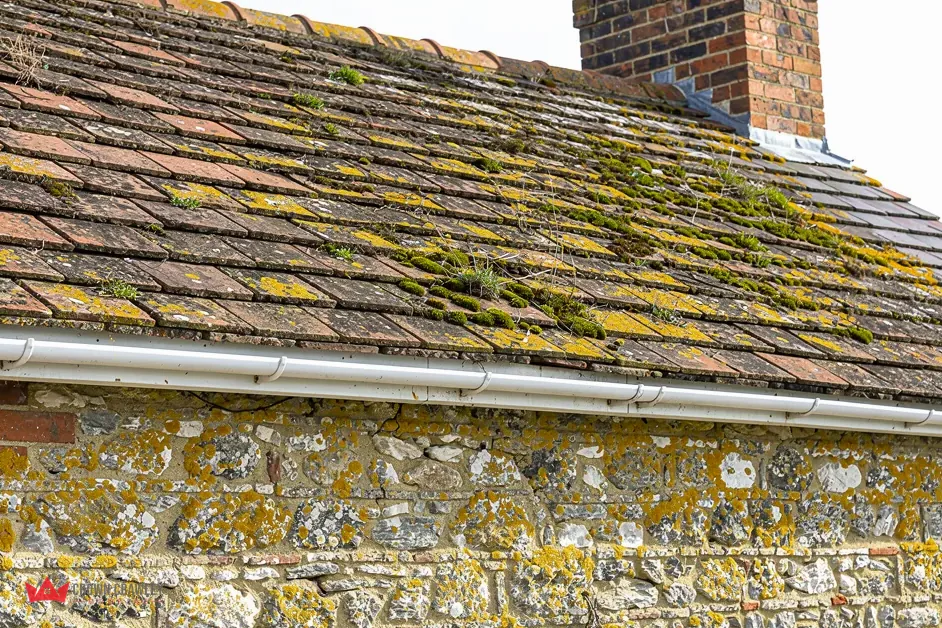
Yellow lichen and moss on tiles above a flint wall

A listed church and a war memorial

The Church of St Michael and All Angels is listed Grade II*, and the Lowfield Heath war memorial is Grade II. Work on or beside listed buildings follows listed rules, so we ask before we quote.

Church roof in stone and tile

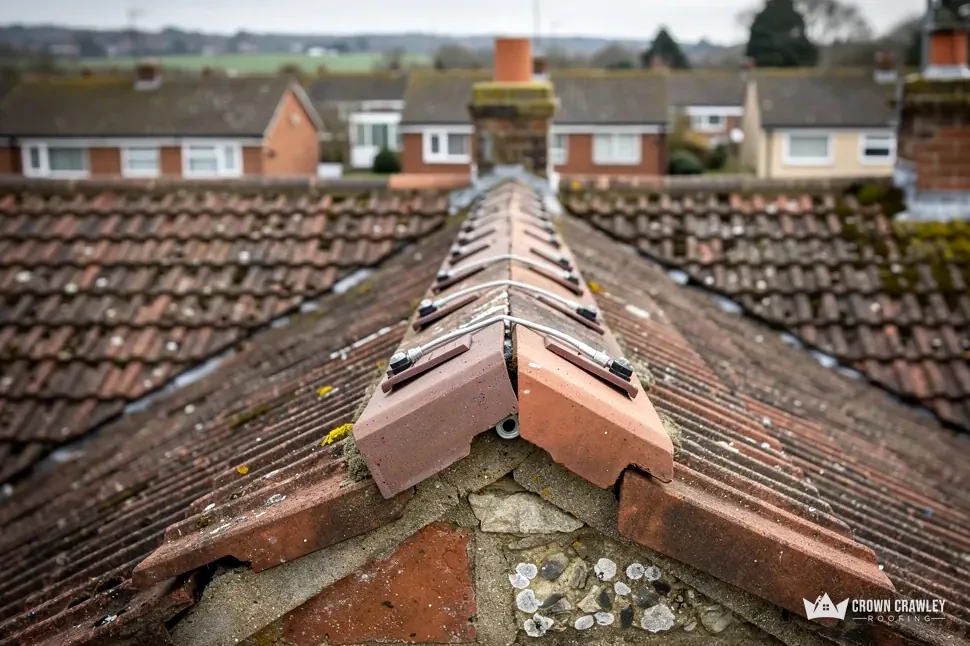
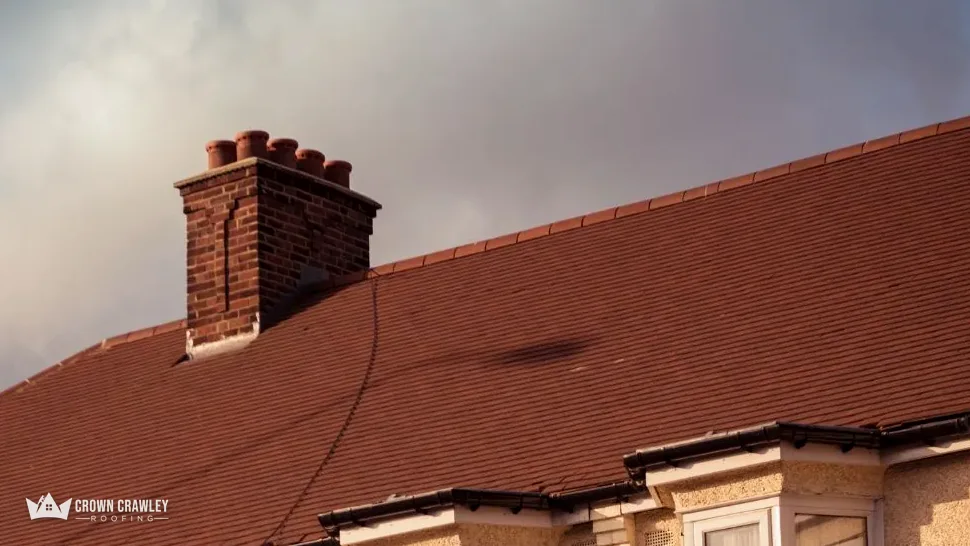
Clay ridge tiles along a hip on a pitched roof

Homes added after inclosure

The heath was inclosed in 1846 and the school followed in 1868. Buildings of several periods now share the hamlet, so we judge each roof on its own evidence rather than the age of the street.

Mixed tiled roofs along a road

Lowfield Heath, beside Gatwick

Map of Lowfield Heath and the neighbourhoods around it, with Crawley for reference.

Lowfield Heath lies on Crawley's northern edge, close to Gatwick, on ground that once helped mark the line between Sussex and Surrey.

Distance
2.6 road miles from Crawley, to the north
Drive
About 6 minutes
Council
Crawley Borough Council and West Sussex County Council
Planning authority
Crawley Borough Council
Listed buildings
St Michael and All Angels, Grade II*; war memorial, Grade II
Get a free quote

Lowfield Heath roof journal

Reading roofs on an old common

Three short chapters on the heath's history, what a listing means for a roof job, and the Crawley and West Sussex paperwork that comes with a bigger one.

Stage 01 · Background

A heath inclosed in 1846

Lowfield Heath began as open common on the county border, so a roof here can belong to almost any period.

Lowfield Heath began as a large common on the Sussex border, about two miles south-east of Charlwood village. The British History Online account of Charlwood parish records that it was inclosed in 1846 and that Lowfield Heath School was built in 1868. A county oak on the heath once marked the line between Sussex and Surrey until it was cut down around 1850, and the vestry screen in Ifield church is said to be made from its wood.

What does a common's history tell a roofer?

That no single street here has one roof. Open common became farmland, hamlet and neighbourhood over a long stretch, and buildings from different centuries can stand a few minutes apart. Oak Cottage and County Oak Cottage, on the south-west edge of the old heath, were built by about 1700, so a roof of that age sits in the same hamlet as roofs a good deal younger. We read the covering from the roof itself, never from the postcode. We go up and photograph the tiles, the ridge, the gable verges, the flashings that seal the joins and the underlay beneath, then send you the pictures with what we found.

Checks we make in Lowfield Heath

Covering
Tiles whole, flat and well lapped
Ridge
Caps bedded firm or screwed down
Flashings
Sealed at walls and chimneys
Timbers
Battens and rafter ends sound
Loft
No daylight, no damp patches
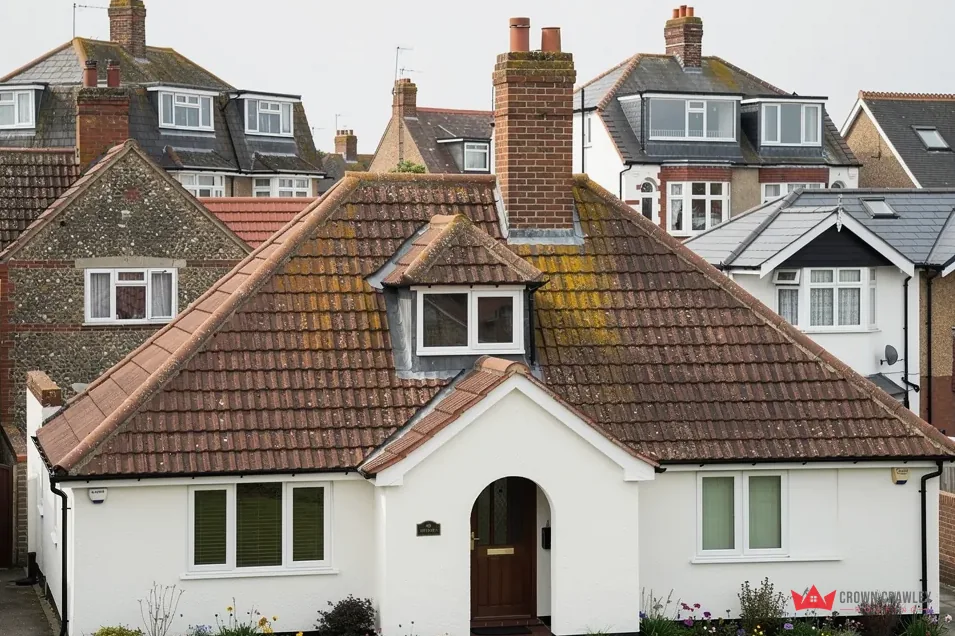
White rendered bungalow with a hipped tiled roof and dormer

How do you price a roof you have not seen before?

After the survey you receive one written total price. What sets it is the access to the roof, its area, the covering and whatever the survey turns up under the tiles, such as rotten battens, the slim timber laths the tiles hang from, or torn underlay, the waterproof sheet below them. Whichever roofer you ask, find out whether the figure includes VAT and scaffolding before you set it beside another.

A small repair costs less than a re-roof, and the photos show you when nothing more is called for. A few slipped tiles, a cracked ridge cap or a lifted flashing can often be mended with the rest of the slope left alone. When wear runs right across a slope, you hear that too and see where it sits, so the decision rests on evidence you have seen. From inside the loft we also look for daylight through the covering, damp on the underside of the tiles and timber that feels soft, because a roof can look sound from the garden while the felt beneath has split. Our pitched roofing page covers tile, batten and underlay repairs, and the same survey applies whether the job is a single tile or a full slope.

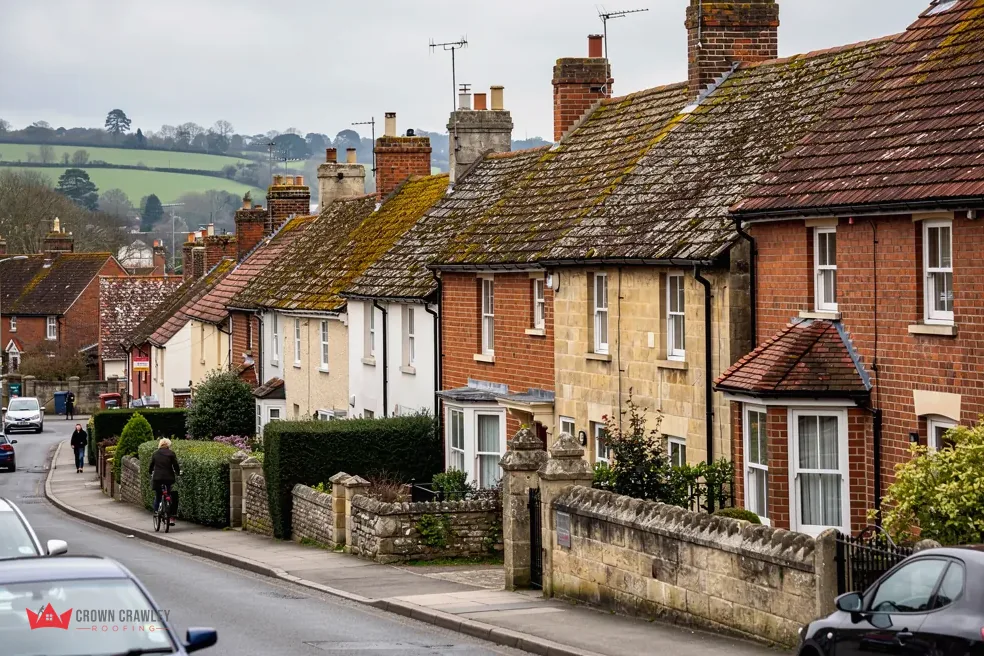
Village street of brick and render houses with old tiled roofs

Stage 02 · Heritage

Listed buildings around the heath

A listing changes who has to say yes before a roof is altered, so we find out first and price afterwards.

Two of the recorded buildings on the heath carry a listing. The Church of St Michael and All Angels carries a Grade II* listing, dated 21 June 1948 (Historic England list entry 1187081), while the Lowfield Heath war memorial holds Grade II. Neither is a house, but they show that protected buildings are part of this hamlet, and anyone with an old cottage should check whether theirs is listed before planning roof work.

Does a listed roof need special permission?

Under section 7 of the Planning (Listed Buildings and Conservation Areas) Act 1990, nobody may change a listed building so that its special character is affected unless the works are authorised, and the usual authorisation is listed building consent. Whether a particular repair counts as a change is a question for Crawley Borough Council's planning team, so ask them before work begins and keep their reply in writing. We photograph the roof as we find it, which gives you a clear record to show them.

Do churches and chapels follow the same route?

Not always. Some denominations run their own consent systems, and the Church of England uses a faculty for a church that is in use. Other places of worship need listed building consent in the ordinary way. If you look after a place of worship near the heath, find out which route applies to your building before you ask anyone to quote.

Words you may meet

Listed building
Protected for special interest
Grade II*
Upper tier of Grade II listing
Consent
Written permission for changes
Like for like
Repair in matching materials

Ask the council before the first tile comes off a listed roof, never after.

What changes on an old roof when we repair it?

We look hard at the parts that wear out before the covering does: flashings, mortar, nails and the eaves felt. Lead flashing can last for over 80 years in good order, so an old roof may only need the failed parts renewed. For old clay peg tiles, a building conservation article warns that the Building Research Establishment's 60-year figure is a poor guide, so we judge each roof by its condition and not by a number. Where lead has failed, our lead work page explains the codes and how we fit it. Where new tiles must match old ones, a sample tile and the batten gauge go with us to the supplier before anything is ordered, so the new work sits level with the old. Stacks, pots and the flashings round them get the same attention as the slopes, because a ceiling stain can begin at a stack some way from where it shows.

Stage 03 · Permissions

Crawley paperwork for heath re-roofs

Lowfield Heath answers to Crawley Borough Council and West Sussex County Council, and both enter the picture once a repair turns into a bigger job.

Like-for-like repair rarely involves forms. Refixing slipped tiles or renewing a failed valley leaves the building looking the same. Forms begin once the job outgrows a repair, a different covering goes on, or equipment has to stand in the road or swing over it.

Which heath roof jobs need building control?

On Crawley Building Control's list, renewing more than 25% of a roof's surface area needs approval, and the heath falls inside the borough. A survey that points to stripping a full slope therefore sends us to them before any date is agreed, and your written price records that. Weight matters as well: a covering 15 per cent or more above the old one's weight also brings in building control, by the Planning Portal's test, and a structural engineer or surveyor can confirm what your roof timbers will carry. For a full renewal, read how our roof replacement job runs.

Who arranges the scaffold licence on the heath?

Scaffolding that stands on a road or pavement falls under the highway authority, which here is West Sussex County Council. It wants at least 10 working days' notice and charges £266 for a month. The scaffolder and we settle the licence between us, and the start waits on what it allows. A scaffold that stays inside your boundary needs none, because the ground is private.

Paperwork on a heath re-roof

Planning
Crawley Borough Council
Approvals
Crawley Building Control
Scaffold
Licence if poles meet the road
Notice
10 working days, West Sussex
Lifting
Gatwick permit rule for cranes
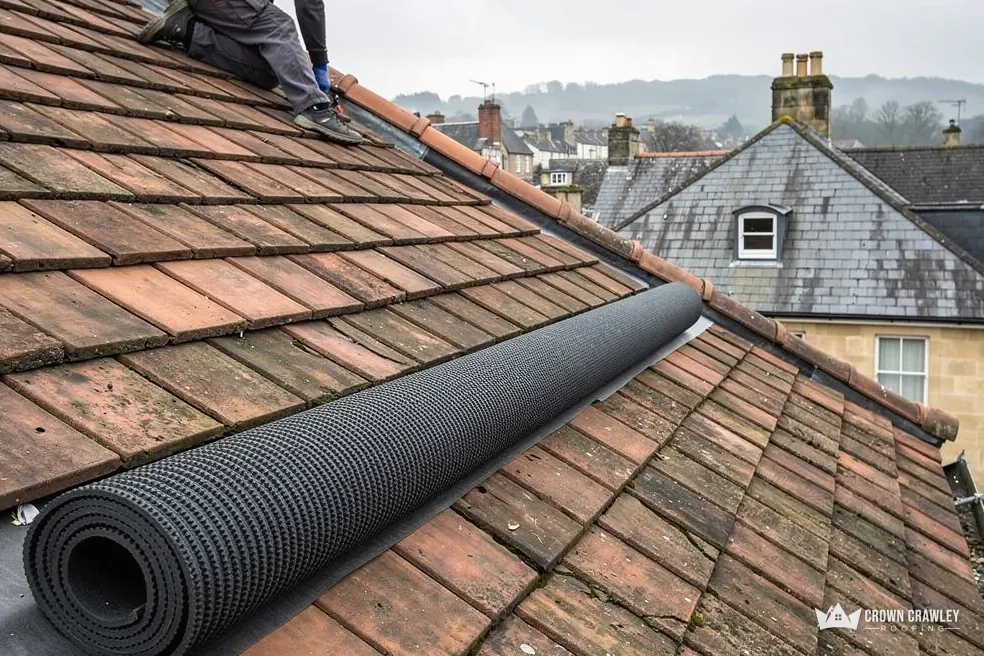
Roll of roofing membrane lying on a clay tiled roof

Does Gatwick's crane rule reach a heath roof?

Gatwick's permit scheme covers cranes within 6 km of the airport, other than kit that stands under 10 m or is screened on every side by taller trees or buildings. A good deal of roof work gets by with ladders, scaffold and a hoist, so the question may never arise. If a lift is planned, we check the address with Gatwick before anything is booked.

Everything above is checked before the written price is final, so the figure you receive already allows for the licence, the notice period and any approval the survey calls for. That avoids a second conversation halfway through the job. Tidy access matters too: we agree where materials will sit, where waste is collected and how neighbours reach their own doors while the scaffold is up.

Bats and their roosts have full legal protection in England, and repairing or replacing a roof is one of the activities GOV.UK's guidance mentions. Signs of bats at the survey mean the work waits until a plan is agreed with you. To begin, send a picture of the troublesome slope, ridge or flashing and say whether the building is listed.

Questions before you book on the old heath

Is an old cottage roof near Lowfield Heath repaired differently from a newer house?

The method follows the covering and its condition, not the postcode. A roof of about 1700 may carry hand-made clay tiles that need careful sorting and matching, while a later roof may take modern fixings. The survey photos show which you have, and our written figure prices the repair we recommend for that roof, with the reasons set out.

How can I tell whether my Lowfield Heath home is listed?

Search Historic England's National Heritage List for England by address, or ring Crawley Borough Council's planning team. Do it before booking roof work, since a listed building needs consent for changes touching its character. If it is listed, say so with the first photos, and we will add the council's reply to the survey notes so we can plan around it.

Will tall lifting equipment near Gatwick delay a roof job?

Only if the job needs a crane. Gatwick asks for a permit for cranes within 6 km of the airport, unless the equipment is low or screened. A level 1 permit without technical assessment costs £300 plus VAT. If your roof can be done from scaffold and a hoist, none of this applies to the work.

What decides the total on a heath roof quote?

Access, the area of roof, the covering and whatever the survey finds under it. After the survey you receive one written total price, with the photos beside it. Ask whether any quote you hold includes VAT and scaffolding, since a total that leaves either out is not the whole cost of the job to you.

Send us your heath roof

Send a photo of the ridge, flashing or slipped tiles that worry you, with your postcode, plus a note if the building is listed.

01293 974253

10-year workmanship guarantee, in writing.

Call Get a free quote