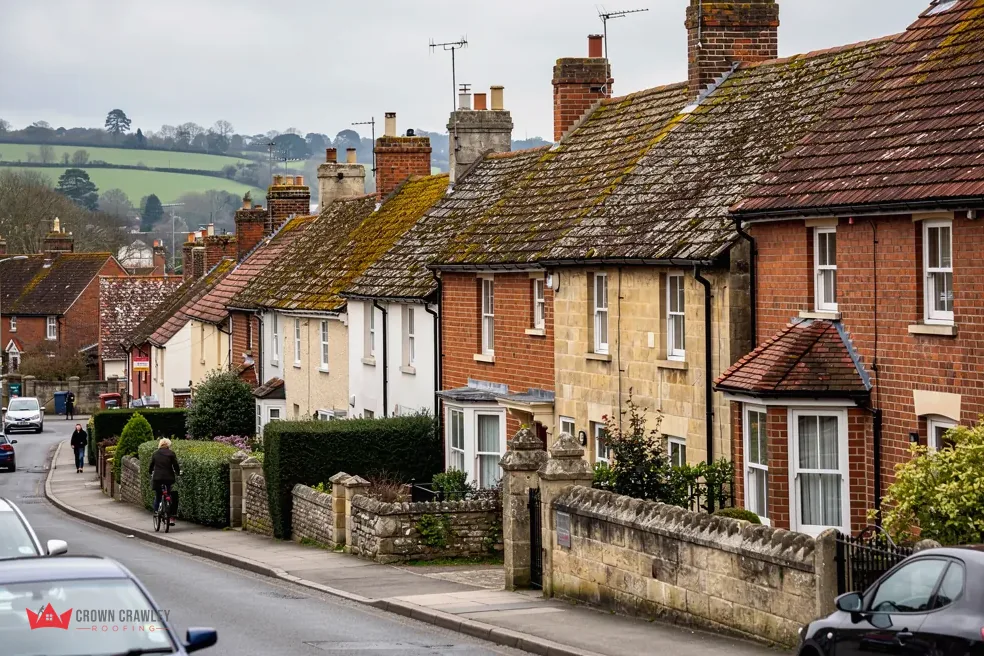
How do you price a roof in a village that has grown over centuries?
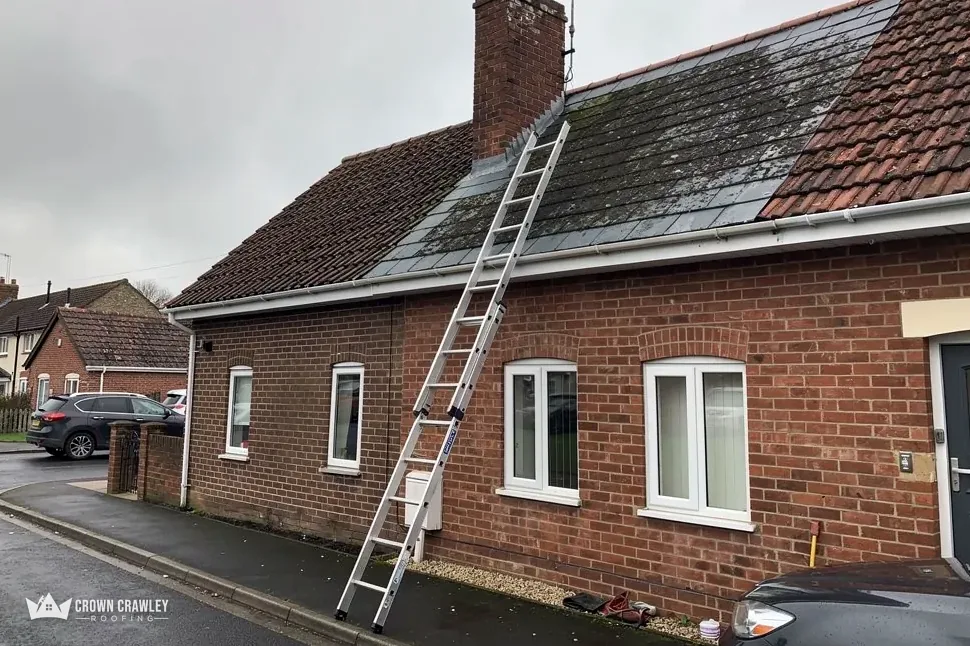
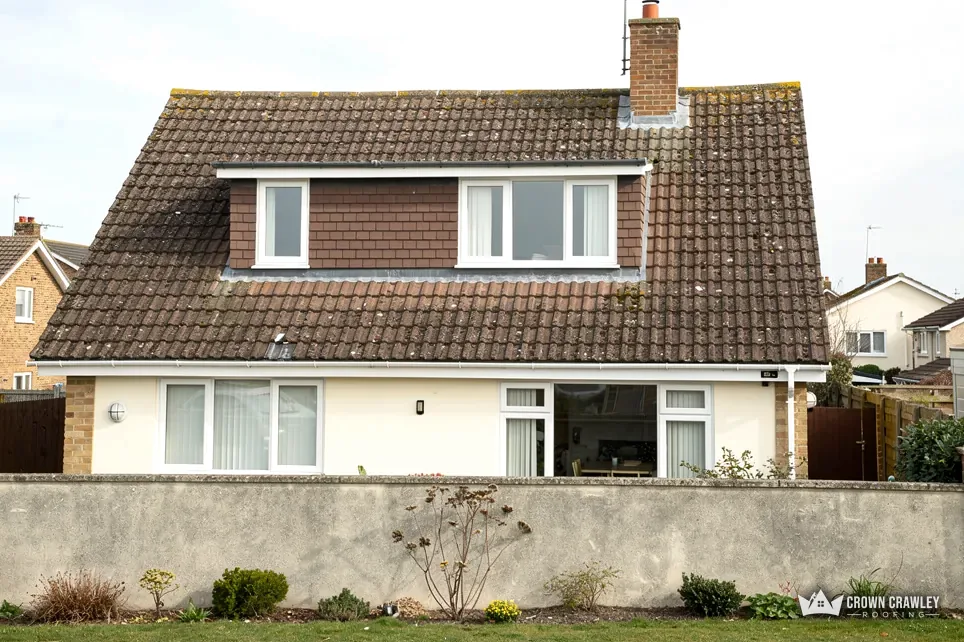
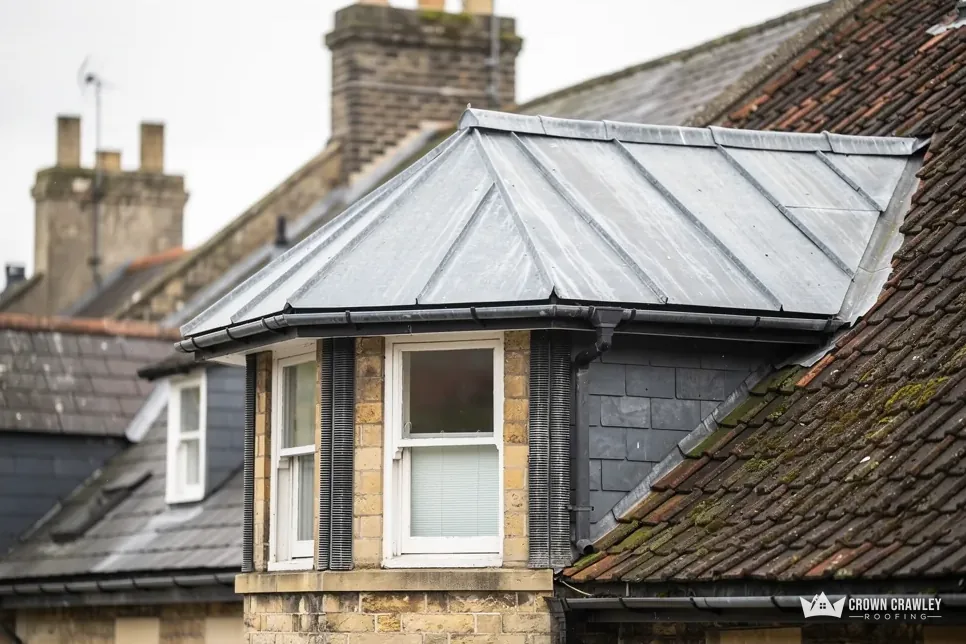
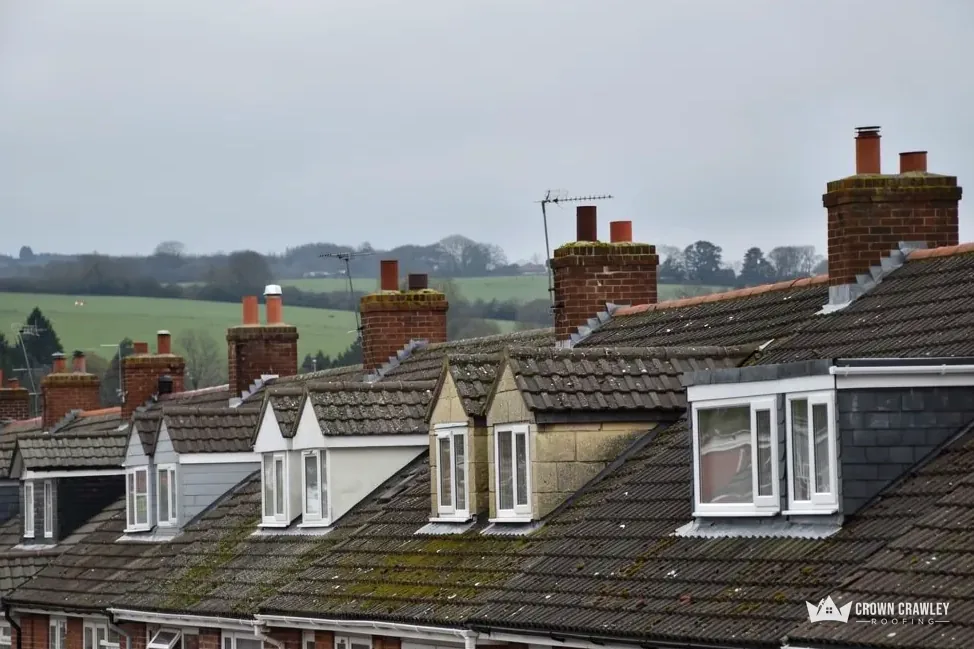
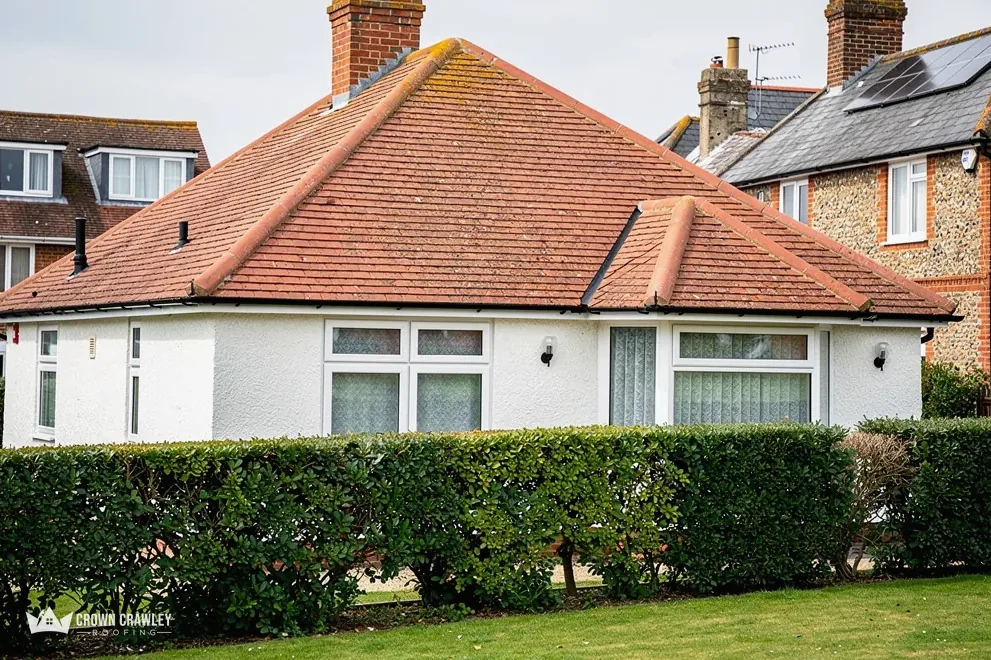
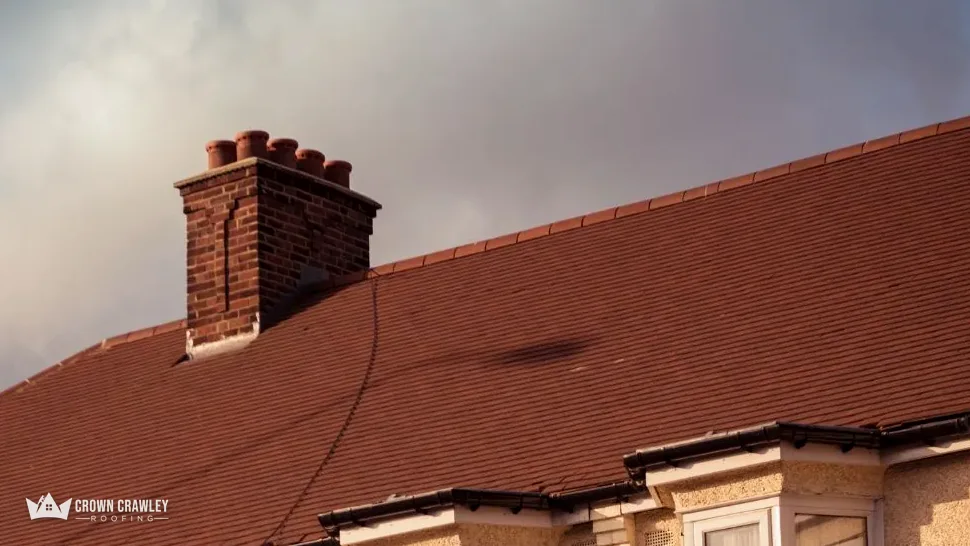
A village with that much history has no single roof type. Cottages, terraces and larger houses stand close together, and each has its own age, covering and repair record, so we begin with the survey and not with an assumption. We go up on a ladder or an access tower and photograph the tiles, the ridge, the verges and the valleys. Here is what those words mean. The ridge runs along the very top where two slopes meet. The verge is where the roof stops at the side of a gable wall. A valley is the inward fold where two slopes join and shed water. From the loft we study the battens, the timber laths the tiles hang from, and the underlay, the membrane laid beneath them. You then receive the photos and one written price.
What do we look for on an older Brasted roof?
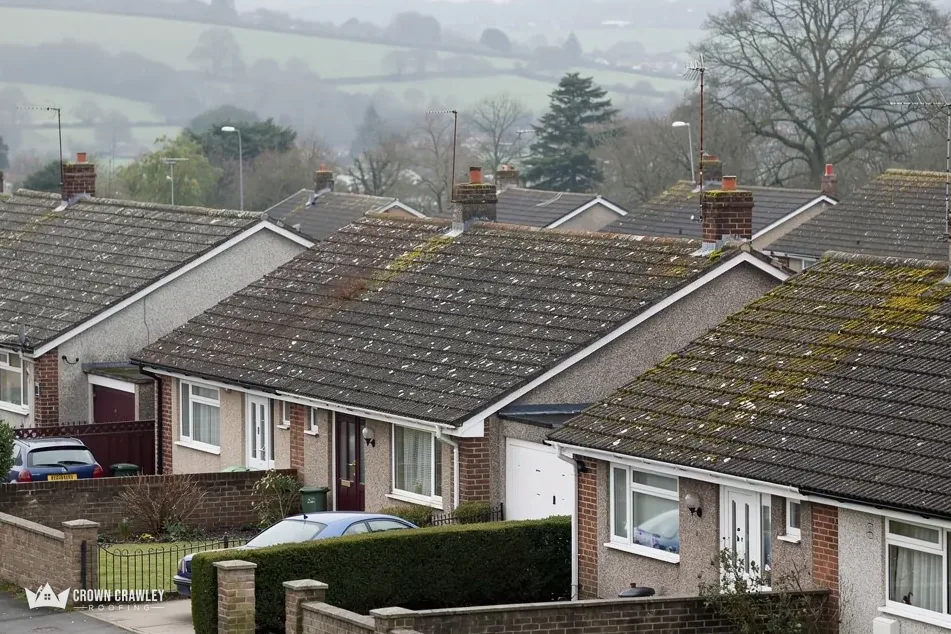
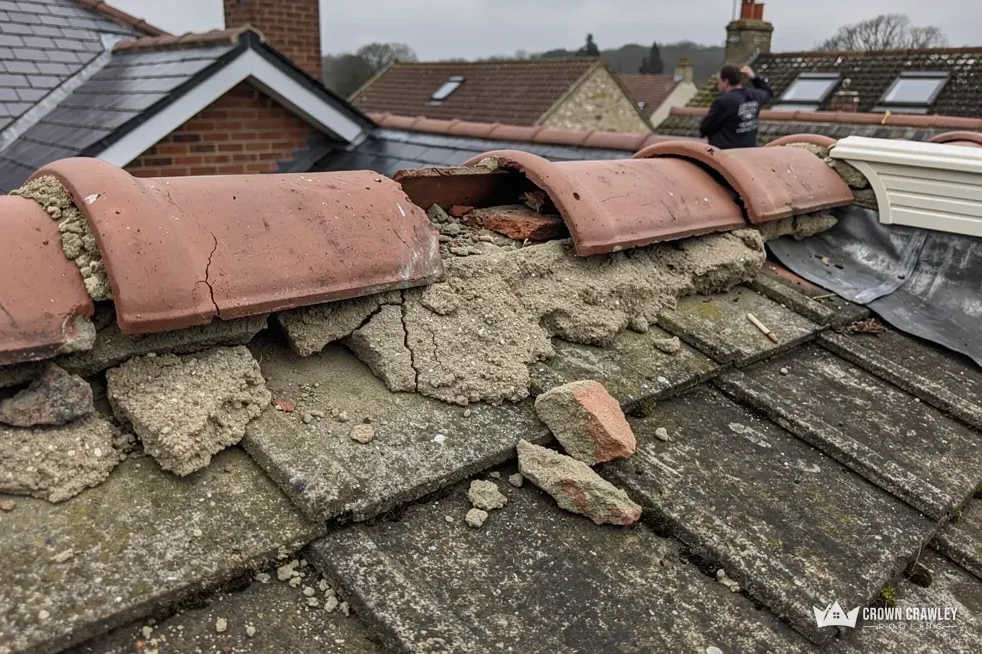
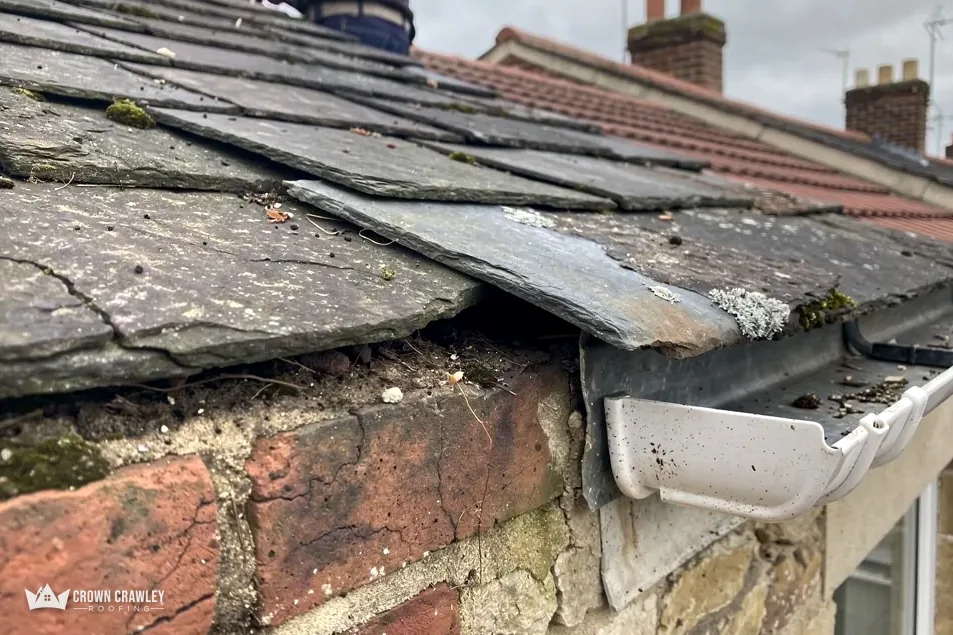
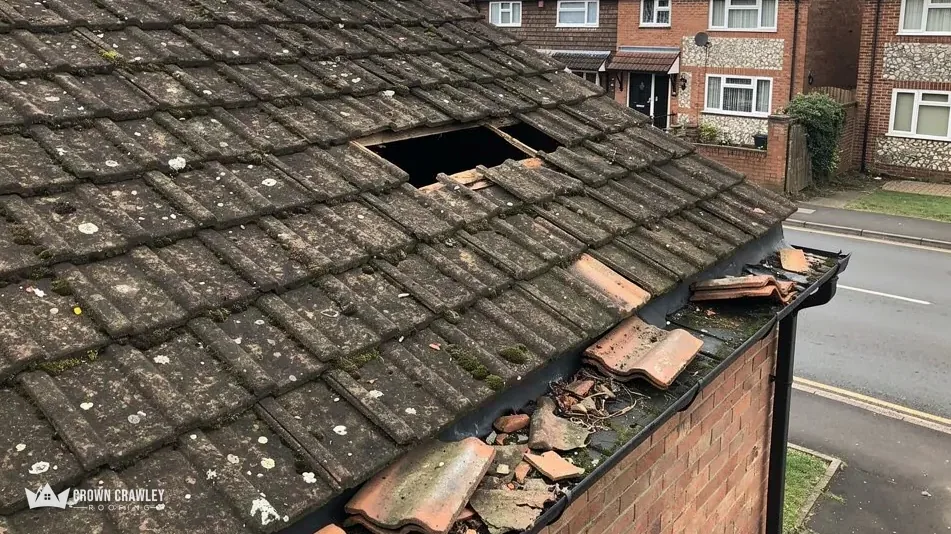
Age alone settles nothing. We check whether tiles have slipped, split or lost their nibs, whether the mortar at the ridge and verge has crumbled, and whether the flashing, the metal strip that seals a roof against a chimney or wall, is still tight. In the loft we look for daylight, damp timber and blocked airways at the eaves. A roof can be old and sound, or newer and failing, and the photos show which you have. If the covering is tired across a whole slope, our roof replacement page explains how a re-roof runs. If only a few tiles have gone, pitched roofing covers the repair.