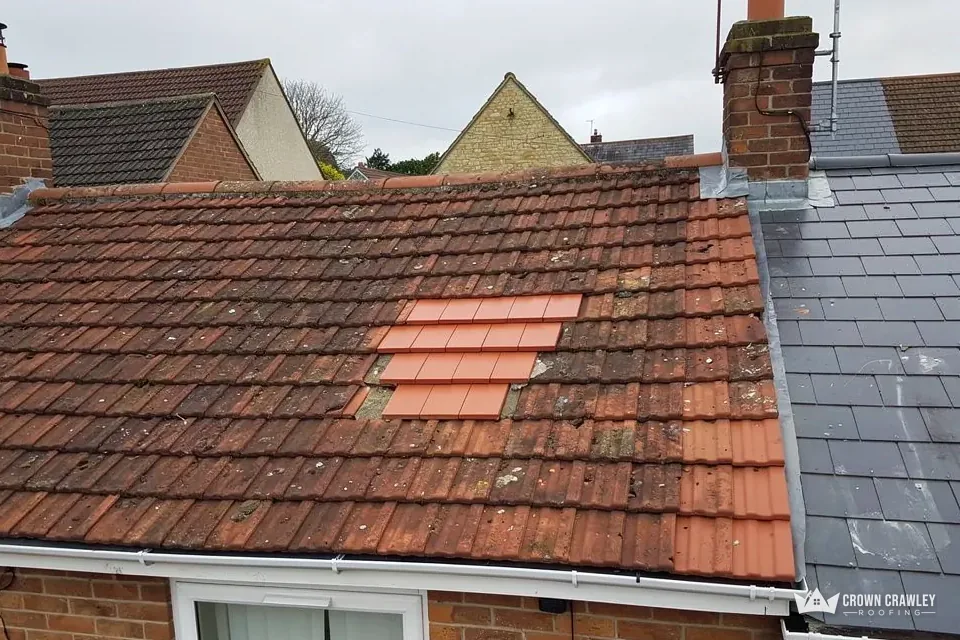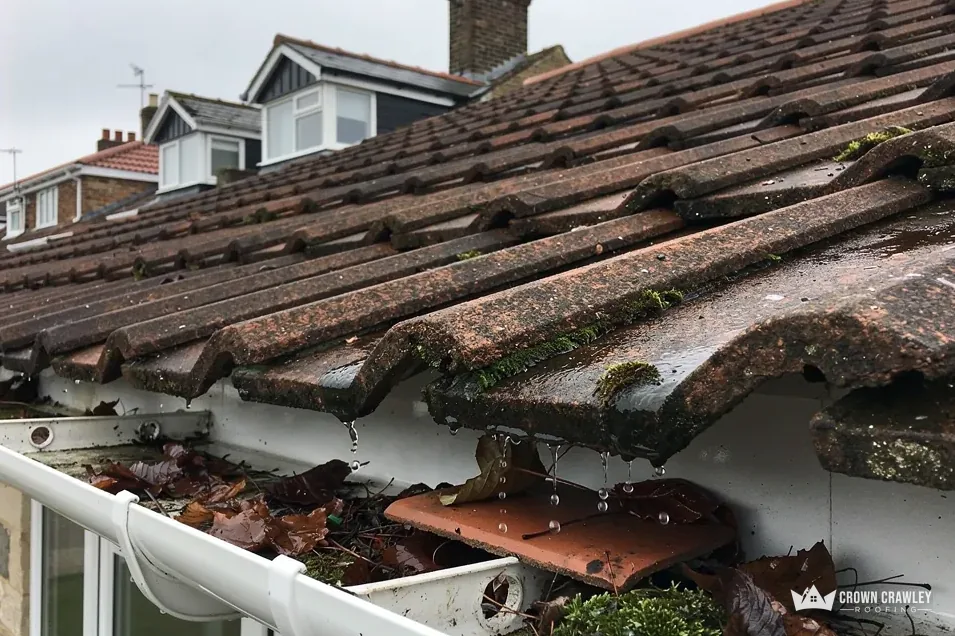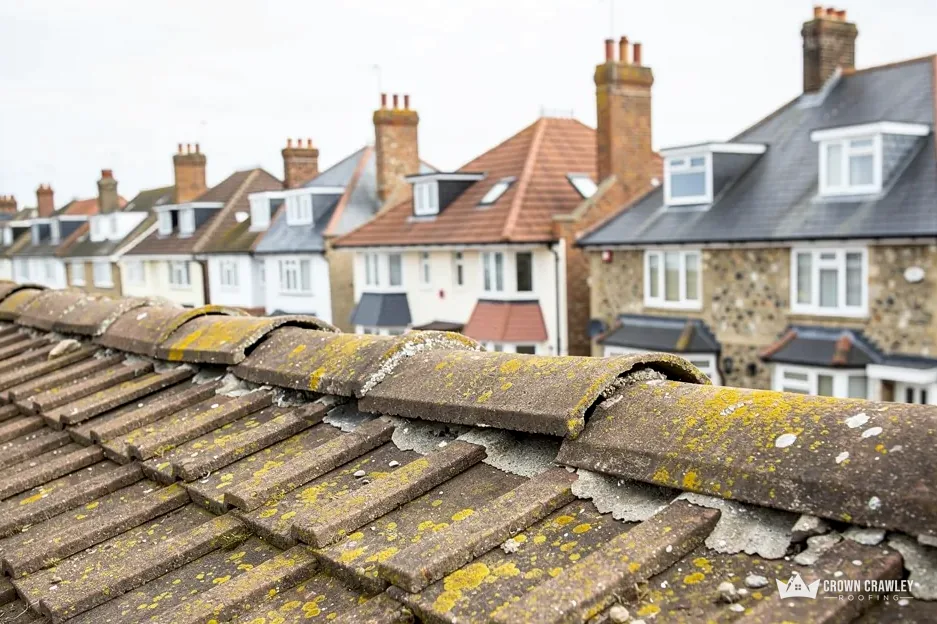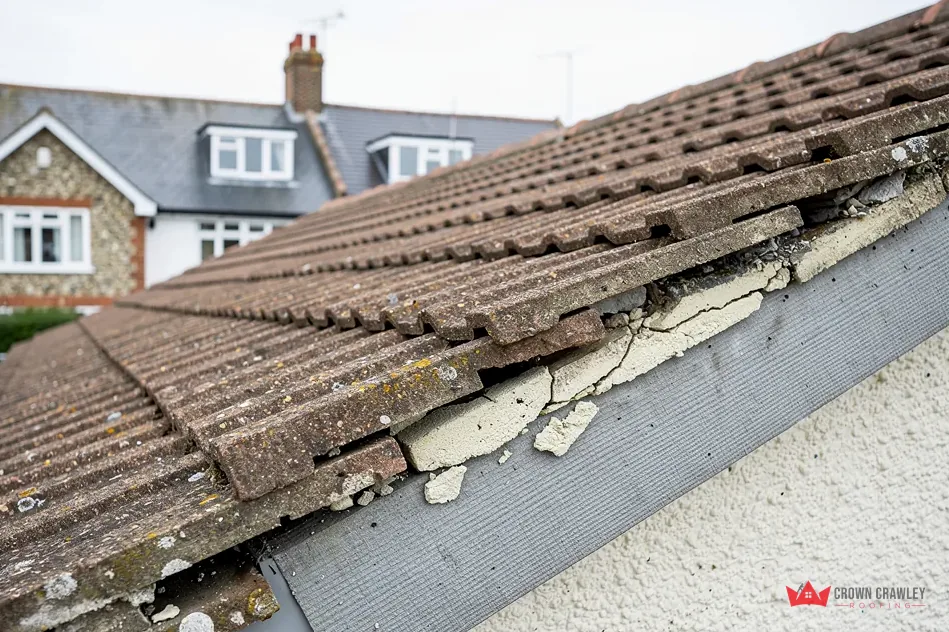
When a roof is damaged badly enough that rain is getting in or pieces may fall, nobody wants a full re-roof planned in the dark. The first aim is much smaller. Make the roof safe for the people under it and for anyone walking past, and stop the building getting wetter while a proper repair is arranged. Roofers call that visit a make-safe, and insurers often use the same term in their claims paperwork.
The phrase can sound vague, which is why it causes confusion. People ask whether it is a repair, how long it lasts, what it costs and whether it counts towards a claim. Put plainly, a make-safe is a holding measure. It is built to keep the weather out for days or weeks, and it comes with a record of what was found. This guide describes what a roofer does on the visit, how the temporary work differs from the permanent repair, what national cost guides say about prices, and how to handle the paperwork if an insurer is involved.
What a make-safe actually means
A make-safe has three goals, in this order. Remove or secure anything that could fall on a person or a car. Stop water entering the building. Record the damage so the proper repair, and any claim, starts from facts. Notice what is missing from that list: it is not about making the roof look right, and it is not about matching the old tiles.
When is a make-safe needed?
The usual triggers are storm damage that has blown tiles or ridge pieces off, a fallen tree or branch, a chimney stack that has shifted or come down, fire damage, and a flat roof that has split. It also applies when a leak is running into a ceiling and the permanent repair cannot start for days, perhaps because tiles must be ordered or the weather is too poor to work. A slipped tile alone may not need it, and our answer on whether a slipped tile is an emergency helps you judge. The wider range of urgent work is set out on our emergency and general roof repairs page.
Who is it for?
It protects the household first: the people inside, the contents and the structure. It also protects neighbours and passers-by. And it protects your position if you are claiming, because the make-safe stops damage spreading, which is something most policies expect a policyholder to try to do. Keeping the damage from growing is part of looking after the property. The roofer's notes and photos also become useful evidence of how the roof looked when the roofer arrived, which matters if a claim follows, and it gives the later repair a clear starting point. Take your own pictures from the ground as well, in daylight where possible, before anything is covered up.
What happens on a make-safe visit
The visit usually starts with a look from the ground, then a closer inspection from a ladder, a platform or the loft, depending on what is safe. The roofer decides what is loose, what is open and what can be covered, and talks the plan through with you. Only then does the work begin, and only the work that is needed to make the roof safe.
What does the roofer do?
Loose tiles, slates, ridge pieces and cracked chimney parts are taken off or fixed down so they cannot fall. Broken material is cleared. An opening is covered with heavy-duty sheeting or boards, fixed to sound timber, with the sheet taken up and over the ridge where possible so rain runs off it rather than under it. Battens may be added to hold it down in wind. On a flat roof the roofer may fit a temporary patch over a split or clear a blocked outlet so that water drains away. Inside, the roofer may suggest moving belongings clear of the wet area, opening a bulging ceiling at one point to let trapped water out, or catching a drip.
What do you receive afterwards?
You should be told what was found, what was done and what is still open. We take photos of your own roof before and after the temporary work and share them with you. You should also get a written note you can pass to an insurer, covering the date, the address and the work.
Temporary cover or permanent repair
The difference between the two is mostly about intent and lifespan. A make-safe is meant to be taken off again. A permanent repair is meant to last as long as the roof around it, and it uses the same materials, fixings and detailing as the rest of the covering.
Why not simply repair it properly at once?
Sometimes we can. Where the damage is small, dry weather allows and the right materials are to hand, a repair done properly on the first visit is the better route. Often it is not possible. Wet or windy conditions make it dangerous and poor practice to lay tiles, battens or lead. Tiles may need to be matched or ordered. A structural question may have to be answered first, for example after a tree strike, and an insurer may want to inspect before anything is stripped. Rushing a permanent fix in bad conditions can leave you with a second problem.
How long can temporary cover stay on?
There is no standard period, and it depends on the weather, the sheeting, how well it is fixed and how exposed the roof is. Sheeting can fatigue in wind and sun, and fixings can work loose. Ask your roofer how long they expect it to hold and what to look for in the meantime. Watch for flapping sheets, new stains and drips. A temporary cover is a bridge to the real repair, so agree the permanent work, and its written price, once the survey is finished. Never leave a make-safe in place for months without checking it.
What a make-safe costs
The cost of a make-safe depends on things the roofer finds on arrival: how high and how awkward the roof is, how much is open, whether a ladder reaches or access equipment is required, and how long the work takes. Because those vary so much, no honest roofer can give a fixed figure before seeing the roof. The figure that follows the survey is one total, on paper.
What do national guides say?
Published cost guides give a rough sense of the range. Checkatrade's tile replacement guide, in an October 2026 table, puts up to five tiles at £170 to £500, and the top of that range applies where scaffold is needed. Its roof repair guide, last tabled in June 2026, quotes roofers at £35 to £45 per hour or £280 to £360 per day, and says repair costs there exclude VAT, which is currently 20% and may need adding. Those are typical UK ranges, not a price for your roof.
What pushes the price up?
Access is usually the biggest factor. A low roof reached by a ladder costs far less than a three-storey house that needs scaffold. For scaffold, Checkatrade's roof replacement guide gives £700 to £1,300 on a whole new roof, again a national figure. The area of damage, the covering and any hidden problems found once tiles are lifted also matter. Ask whether the quote includes VAT and scaffolding, and what happens if the survey turns up more. Our guide to emergency roof repair costs sets out the main cost drivers in more detail.
How a make-safe fits an insurance claim
If the damage is covered by your policy, tell your insurer first, before you agree anything beyond the make-safe itself. Most policies expect you to take sensible steps to stop further loss, and a make-safe is exactly that. It is not usually the point at which you commit to the full repair.
What should you do in order?
Photograph the damage before anything is moved. Call your insurer and ask what they need, whether they want to inspect, and whether they will pay for emergency work. Arrange the make-safe, and keep every receipt and the roofer's written note. Which? reported in November 2025 that most insurers run emergency helplines, and quoted Financial Conduct Authority figures showing that 32% of storm-related claims made in 2024 resulted in a payout. That statistic is a reason to be careful with evidence, not a prediction about yours. The Institution of Structural Engineers adds that photographs are vital for a claim.
Who chooses the roofer?
Some insurers send their own contractor, some approve yours, and some reimburse your invoice. Ask which applies before you hire, because the answer changes who you pay. Our guide on choosing your own roofer for a claim covers that choice. Nobody can promise that an insurer will pay, and a roofer who says otherwise is guessing. Read the policy wording for any excess, any limit on emergency work and any condition about using approved contractors, because those details decide what you are reimbursed. If you are unhappy with how your claim is handled, the Financial Ombudsman Service handles complaints after you have first complained to the insurer.
Scaffold, access and your rights
Many make-safe jobs need no scaffold at all, since a ladder and a roof ladder will do for a single patch. When the damage is high or large, scaffold is the safe way to work, and it brings a few rules.
Does emergency scaffold need a licence?
Under section 169 of the Highways Act 1980, scaffold obstructing the highway is allowed only with the highway authority's licence. On private land you do not need one. In our area the authorities set their own timings. West Sussex County Council asks for at least 10 working days' notice but sells a quicker route for an extra £52. Surrey County Council asks for the same notice and tells applicants with an unsafe structure to call it for an emergency licence. Ask who is dealing with the application and when the licence is expected to arrive.
What are your rights when you ask for urgent repairs?
Contracts signed at home normally carry a cancellation period of 14 days. Regulation 28 of the Consumer Contracts Regulations leaves them out when you specifically requested the trader's visit for urgent repairs or maintenance, although extra work sold on the same visit is still covered. You can still expect work done with reasonable care and skill under the Consumer Rights Act 2015. Ask for the permanent repair to be priced after the survey, in writing, as one total, so that you can read it at your own pace. If you want to discuss a make-safe now, call 01293 974253 or send photos by WhatsApp, and tell us the roof type and where the damage is. We can plan the access before the survey.
Part of our Emergency & General Roof Repairs in Crawley
Make-safe questions
Is a make-safe the same as an emergency repair?
Not quite. A make-safe stops the immediate danger and the water, using temporary measures such as sheeting or boards. An emergency repair can mean a permanent fix carried out urgently. Many jobs start with a make-safe and move to a repair once the weather clears, materials arrive and any insurer has had a chance to inspect.
Will my insurer pay for a make-safe?
It depends on your policy and the cause of the damage. Many policies expect you to limit further loss, and emergency work is often reimbursed when the main claim is accepted, but that is not guaranteed. Ring your insurer before you commit, ask what they need, and keep photos, receipts and the roofer's written note.
Can temporary cover stay through winter?
Not by design. Sheeting and temporary fixings can fatigue in wind, sun and frost, and water can still track in at the edges. If the permanent repair has to wait, ask the roofer how long the cover should hold, and check it after every storm for movement, tears and new stains.