Nobody schedules a roof leak. It arrives on a wet Tuesday, over the stock you promised for Thursday, and from that moment the repair is on the roof's terms. The contractor you can get quickly is not always the one you would have picked, access is arranged in a hurry, and the bill carries the cost of the disruption as well as the fix.
A maintenance plan reverses that. It turns the roof from a surprise into a line in the diary: someone looks at it on a known date, writes down what they see, and the small faults get dealt with while they are still small. For a shop, a unit or a garage block, the plan does not need to be elaborate. It needs an owner, a schedule, a record and a budget.
This post sets out how to build one. It covers what an inspection should look at, how to keep a roof log that a landlord, tenant or insurer will take seriously, how to sort out who pays under a lease, and what to do when a storm does arrive. Where a rule or a typical figure helps, we give it with its source.
Why planned upkeep beats waiting for a leak
Think about what a roof does for a commercial building. It keeps stock dry, keeps electrics and IT away from water, and keeps the building insurable and lettable. When it fails, the loss is rarely just the roofing. It is a day of lost trading, damaged goods, a ceiling to replace and a conversation with a tenant or lender.
What goes wrong when nobody looks?
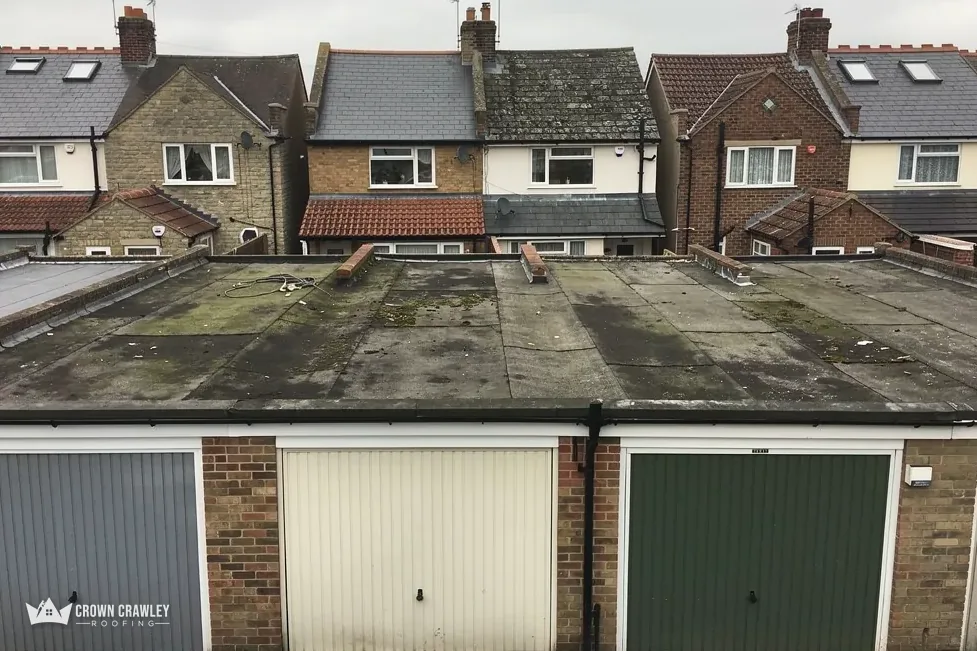
Small faults feed each other. A blocked outlet lets water pond on a flat roof, ponding water finds a weak seam, the seam lets water into insulation, and wet insulation stops working and adds weight. A cracked sealant joint around a rooflight is a ten minute job in the dry and a stained ceiling in the wet. None of these announce themselves until the water arrives.
What does a plan actually consist of?
Four things. A named person responsible for the roof. A schedule of inspections, tied to the seasons and to storms. A log that records every visit, every repair and every photograph. And a budget line that exists whether or not anything has gone wrong. Everything else, the technical detail, hangs from those four.
The plan also gives you something to hand a prospective buyer or tenant. A building with a dated record of its roof, showing what was inspected and what was done, is easier to let, to sell and to insure than one where nobody knows when anyone last went up. Our page for commercial roofing describes the kinds of building we survey and repair around Crawley and Gatwick.
What a routine inspection looks at
An inspection is a systematic walk of the whole roof, its edges and its drainage, with notes and photographs. It is not a glance from the loading bay. The person doing it needs safe access and the means to look closely at details.
Which parts matter most?
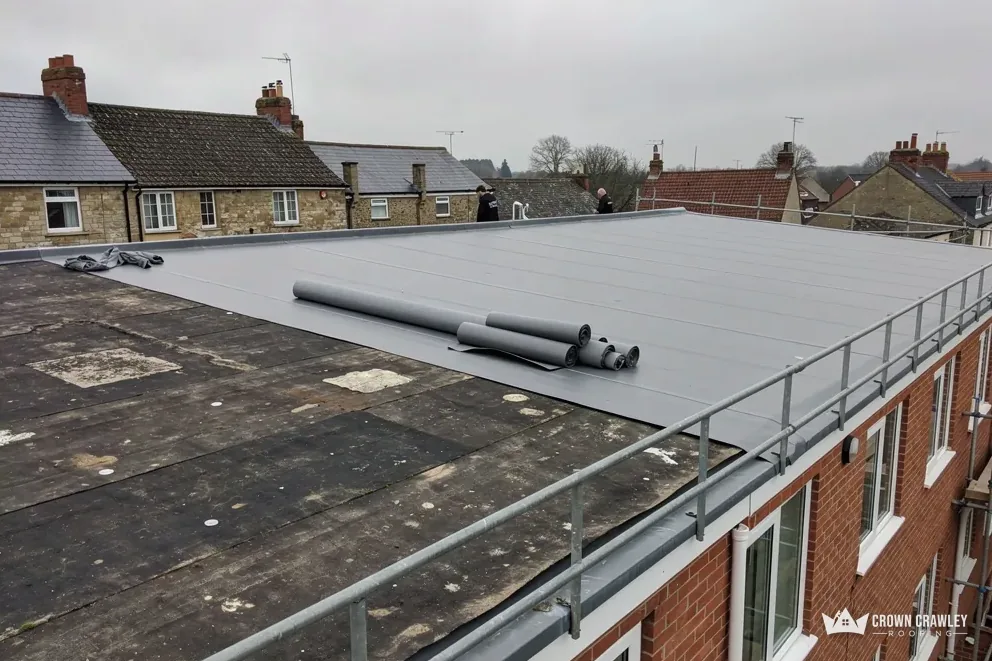
Start at the drainage: outlets, gutters, box gutters and downpipes. A blocked outlet is a classic source of avoidable trouble on a flat commercial roof, and it is simple to clear. Then the junctions, where the roof meets a wall, a parapet, a rooflight or a pipe, because that is where seams and flashings open up. Then the field of the roof itself, looking for splits, blisters, lifted laps, loose or corroding fixings, damaged sheets and signs that water is standing. Then the plant and equipment on top, since foot traffic from engineers wears coverings out.
When should it happen?
The right interval depends on the covering, the age of the roof, nearby trees and what your insurer or lease requires. Many owners settle on a visit at the change of season and an extra look after a severe storm. Our answer to how often a commercial roof should be inspected covers the factors in more detail.
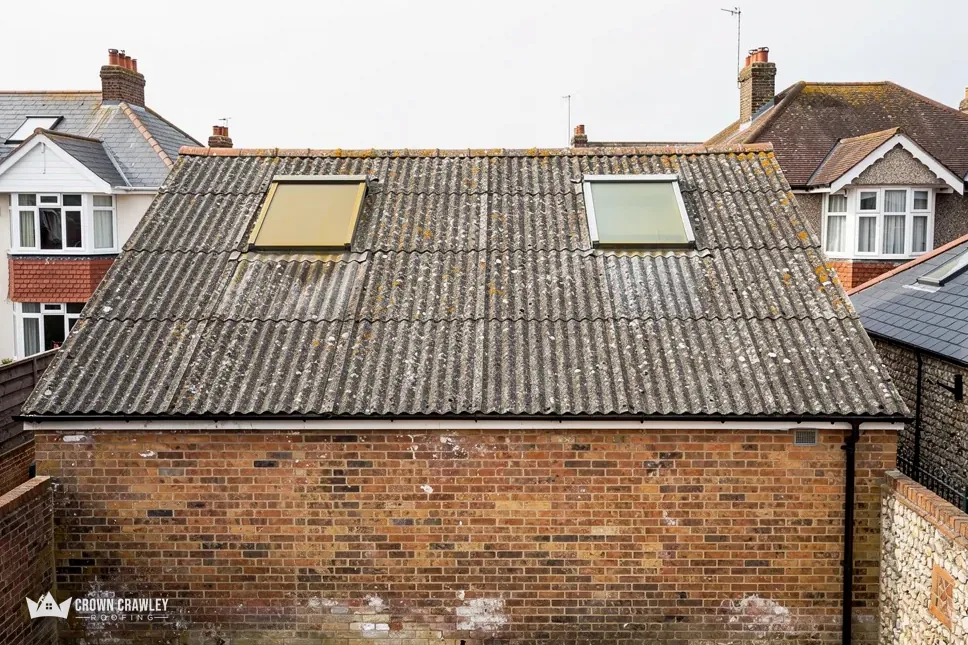
Never let staff or visitors wander onto a roof to take a quick look. Many industrial roofs include fragile sheets and rooflights that will not carry a person.
HSE guidance describes asbestos cement roofs as always fragile. For premises dating from before 2000, it says to presume asbestos is there, which is why any contractor should see your asbestos information before going up.
Setting a budget and keeping a roof log
A maintenance budget works like any other planned expense: small, regular and predictable. The aim is to avoid the single large unplanned bill. Owners often handle this by putting a sum aside each year for inspection and minor repairs, and holding a separate reserve for the point when the covering reaches the end of its life.
How do you decide what to put aside?
Start from the covering. Published lives vary, with Less giving felt 10 to 20 years, GreenSpec giving EPDM 20 to 30 years and Less giving GRP 25 to 40 years. Those are typical ranges rather than promises, though they hint at when a large job will come round. Divide the cost of replacement, as quoted after a survey, by the expected remaining life and you have a figure for the reserve. Add something for repairs in between. Remember that a quote needs checking for VAT, which is charged at a standard rate of 20 per cent unless the work qualifies for something different.
What goes into a roof log?
Keep one file per building. In it: the date and name of every visit, dated photographs of problem areas, a note of what was found, what was done and by whom, copies of invoices, and any guarantee documents. Add the position of rooflights, outlets and plant on a simple sketch plan so that the next visitor knows what is where.
Why does the log matter?
It lets you show a tenant, landlord, buyer or insurer that the roof has been looked after. It lets a new contractor see the history without starting from nothing, and it helps you spot repeat faults, which are often the clue that a repair has missed the real cause.
Landlords, tenants and who pays
Who is responsible for the roof depends on the lease, and leases differ a great deal. On a multi-let estate the landlord often arranges the roof work and bills tenants for it through the service charge. On a single let with a full repairing lease the tenant may carry the whole responsibility. Some leases split the work: the tenant keeps the roof watertight and clear of debris, the landlord replaces the structure and covering.
Where do you find the answer?
In the repairing covenants, the service charge schedule and any rules about alterations. Read them before you commission anything, and if the wording is unclear take advice from a surveyor or solicitor. We cover the common arrangements on a separate page, who pays for commercial roof repairs.
What should each party do in practice?
A landlord should keep a record of the roof's condition and tell tenants before roof work affects them. A tenant should report leaks promptly in writing, with photographs, and avoid carrying out works on a roof they do not control. Both sides should agree who instructs the contractor, who approves the quote and who gets the report.
A written maintenance plan helps both. It shows that inspections took place, so disputes about whether a fault was neglected become easier to settle. It also gives a landlord grounds to plan a replacement before the tenant's lease ends, rather than leaving it to a last-minute argument about dilapidations.
Where several parties share a roof, appoint one point of contact and send the contractor's survey photographs to everyone with an interest. People accept costs far more readily when they can see the problem.
Keeping the business running during repairs
A well planned repair should not close your shop or stop your production line. Whether it can depends on the phasing, the access and the weather, all of which you can discuss before the contractor starts.
What should you agree beforehand?
Agree which areas of the roof will be worked on in what order, so that the part above sensitive stock or equipment is done when it can be protected. Agree the working hours, the route for materials, where waste skips will stand and how deliveries will get past them. Agree who will talk to staff and neighbours. Where noise or fumes could affect your trade, ask whether the noisy stages can be timed to quieter parts of the day.
What happens if the roof is open to the weather?
A contractor stripping a section should have a plan to seal it each evening, or to protect it with temporary sheeting, and should watch the forecast. Ask what the plan is for an unexpected shower. Our page about roof repairs while the business is open goes through the arrangements that work best.
How do you protect people below?
Keep a clear exclusion zone around the access route and any area where materials might fall. Tell staff which doors to use and which to avoid. Check that fire exits and alarm systems are not blocked or disabled by the work, and agree who tells the alarm company if sensors are covered or moved.
A contractor who surveys first, shares photographs and gives one total in writing has already shown they are prepared to plan the job around you.
When a storm does damage the roof
Even a well kept roof can be hurt by a severe storm, and the first hours decide how much damage follows. The sequence is simple.
What do you do first?
Make the building safe and keep people away from the damaged area. Contact your insurer and follow its instructions. Arrange a temporary repair, such as sheeting over an opening, to stop more water getting in, and keep every receipt. Which? notes that most home insurers run emergency helplines, so find the number before you need it and keep it with the roof log.
Why photographs matter
The Institution of Structural Engineers describes photographs as vital evidence for a claim. Take them before anything is moved, from several angles, and include the interior. A dated log with earlier photographs also shows what the roof looked like before the storm.
Will the claim succeed?
That is up to the insurer, and you should not assume it will. Which? quotes Financial Conduct Authority figures showing only 32% of storm-related claims made in 2024 resulted in a payout. Policies commonly separate sudden damage from gradual wear, so read your wording and ask your broker or insurer where the line falls. If you feel a claim was handled unfairly, the Financial Ombudsman Service takes complaints. What we can do is survey a damaged roof, make it safe and send you photographs for your own file.
To set up a maintenance plan for your building, tell us the address, the covering and which repair invoices you still hold. We survey first, look at the drainage and junctions, and put the findings in writing.
Part of our Commercial Roofing in Crawley & Gatwick
Planning roof upkeep for a business
What should a commercial roof maintenance plan include?
It needs a named person responsible for the roof, a schedule of inspections, a log with dated photographs and invoices, and a budget that exists even in quiet years. The inspections should cover drainage, junctions, the roof surface, fixings and anything fixed on top, such as plant, aerials or solar frames.
Who is responsible for the roof of a rented commercial unit?
That depends on the lease. A full repairing lease can put it all on the tenant, while multi-let estates often leave it with the landlord, who charges tenants through the service charge. Check the repairing covenants and service charge terms, and take advice if the wording is unclear.
Should I tell my insurer about a roof leak straight away?
Yes, ring the insurer before arranging anything permanent and do what it advises. Put a temporary repair in place to limit more damage, keep photographs and receipts, and avoid permanent work until the insurer has responded. Read your policy so you know how it treats sudden damage and gradual wear, and note the insurer helpline in your roof log.